



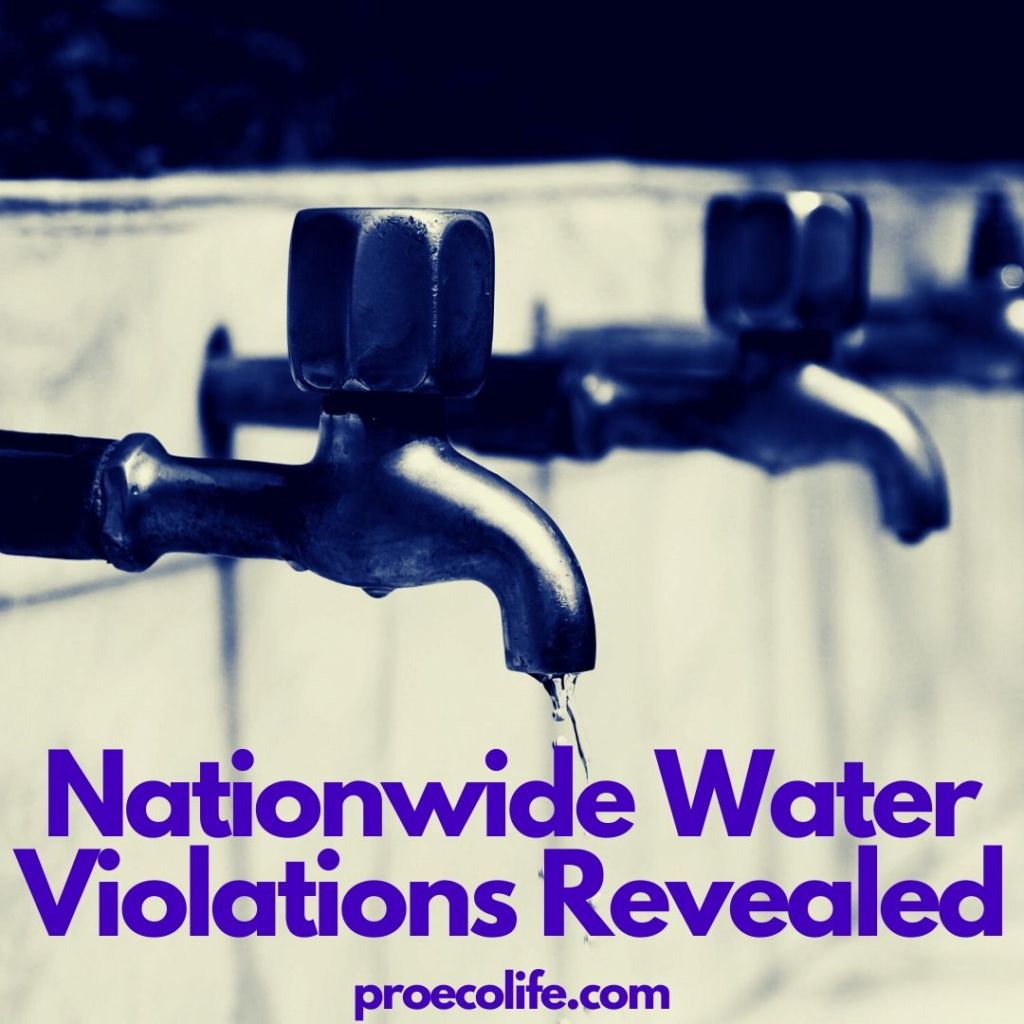
In 1974, the Safe Drinking Water Act went into effect to protect us from harmful chemicals found in our very own water supply. This law helps regulate over 100 contaminants in order to keep us healthy but it hasn’t been updated in decades.
With disasters like Flint coming to light, just how can a law that hasn’t been updated to reflect current exposure levels, environment and chemicals keep us safe?
A couple years ago, the NRDC conducted an in-depth analysis of United States water supplies and discovered massive violations across the board. Some of these violations include failing to report contamination to the appropriate authorities and failing to test the water at all. The problem may have come to the surface in Flint, Michigan but do you know how your community stacks up?
Take a look at these threats to our water supply and see the truth for yourself!
Frequently Asked Questions
What does the Safe Drinking Water Act do?
The Safe Drinking Water Act went into effect in 1974 to protect us from harmful chemicals in our water supply. It regulates over 100 contaminants to help keep us healthy, but it has not been updated in decades.
Why is an outdated water law a concern?
A law that has not been updated cannot reflect current exposure levels, the environment or newer chemicals. Disasters like Flint raise the question of whether such a law can really keep us safe.
What kinds of violations did the NRDC find in U.S. water supplies?
The NRDC's in-depth analysis found massive violations across the country. They included failing to report contamination to the appropriate authorities and failing to test the water at all.
Not sure if we can supply your unique space? Have questions about how our filtration system does what it does? Contact ProEcoLife today at 312.889.8888 to speak to our amazing staff!