
Chicago Has More Lead Pipes Than Any Other U.S. City — Here’s What the City Program Offers
The city of Chicago water filter program exists because Chicago faces one of the most serious lead pipe problems in the country — and many residents don’t know city assistance may be available.
Here’s the quick answer:
Who qualifies for a filter set from the City of Chicago?
- Residents who received a water meter through the MeterSave program
- Residents whose water test came back above 15 parts per billion (ppb) of lead
- Residents notified by the Department of Water Management (DWM)
- Each apartment in a two-flat building qualifies separately
How to get it:
- Visit chicagowaterquality.org or call 3-1-1
- Enter your address to check eligibility
- Request a water test kit or filter set through the city portal
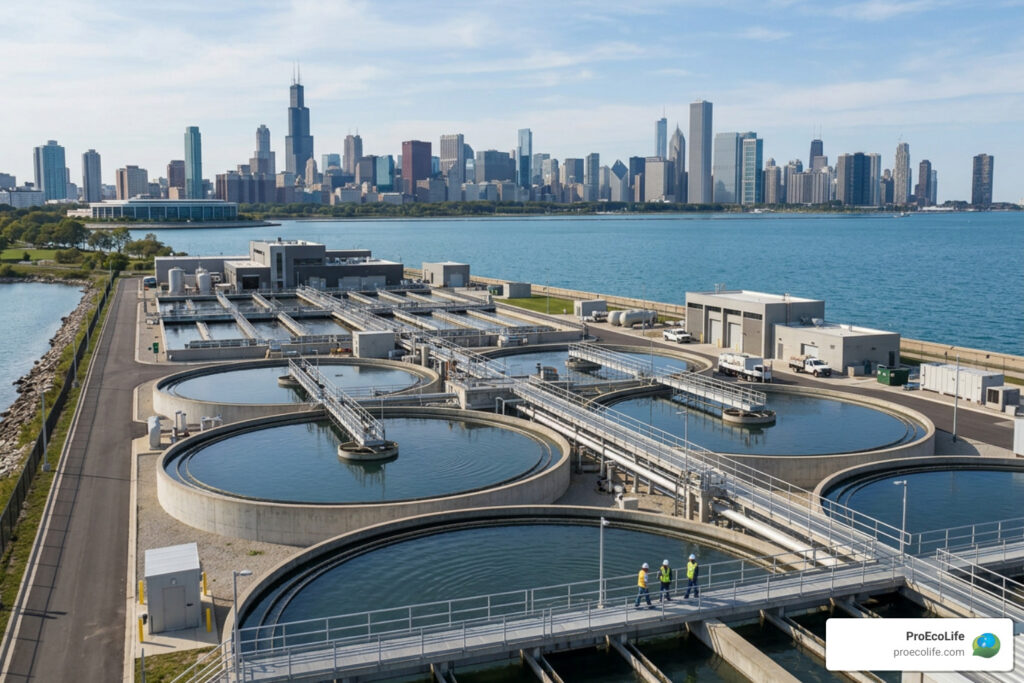
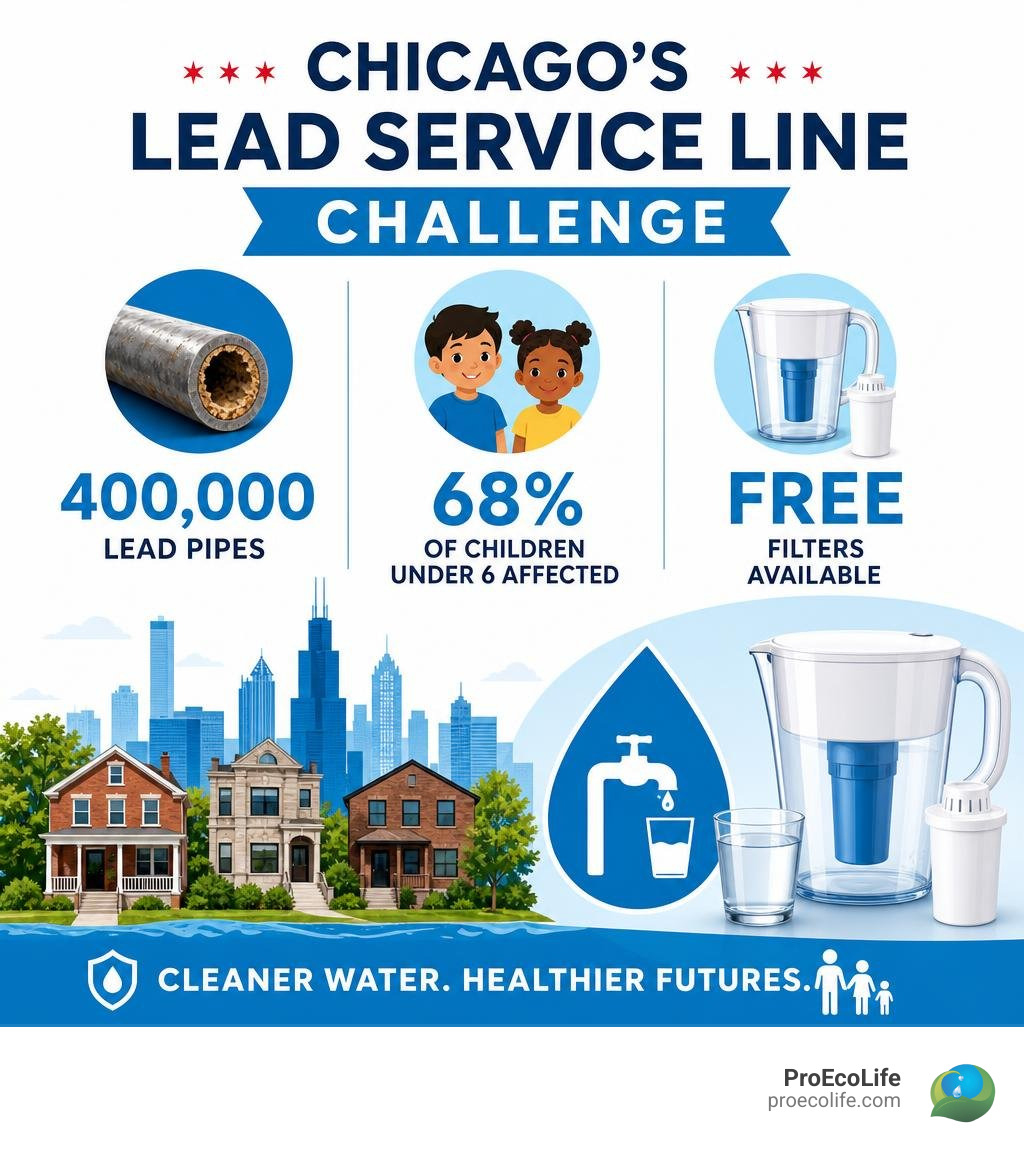
Chicago draws its drinking water from Lake Michigan, and the city treats it to meet all federal standards. But here’s the problem: once that water leaves the treatment plant, it travels through an aging network of pipes — and roughly 400,000 homes still have lead service lines connecting them to the water main. That’s more than any other city in the United States.
Older neighborhoods on Chicago’s Northwest Side — places like Norwood Park, Edison Park, and Jefferson Park — and nearby suburbs including Park Ridge, Niles, Des Plaines, Skokie, Glenview, Arlington Heights, and Morton Grove are heavily affected. Most of these homes were built before 1986, when lead pipes were standard.
The city’s own data shows that 7.1% of homes that received water meters through the MeterSave program had lead levels above the EPA action level of 15 ppb. And a striking 68% of Chicago children under age six have detectable lead in their drinking water.
The good news: the city offers water testing, filter sets, and two lead service line replacement programs. The catch is knowing how to access them — which is exactly what this guide walks you through from the perspective of local Chicago water conditions.
Understanding the City of Chicago Water Filter Program
The Chicago Department of Water Management (DWM) administers the city of Chicago water filter program to help families reduce potential lead exposure in their drinking water. While the city works on the monumental task of replacing hundreds of thousands of lead service lines, these water filter sets serve as a crucial stopgap for many older Chicago homes.
Historically, the program was tied closely to the city’s MeterSave initiative. Under MeterSave, the city installed water meters in thousands of homes to help residents track their usage. However, the physical disturbance of installing a meter can shake loose lead particles from the service line. In fact, testing revealed that approximately 7.1% of metered homes showed lead levels exceeding the EPA action level of 15 ppb.
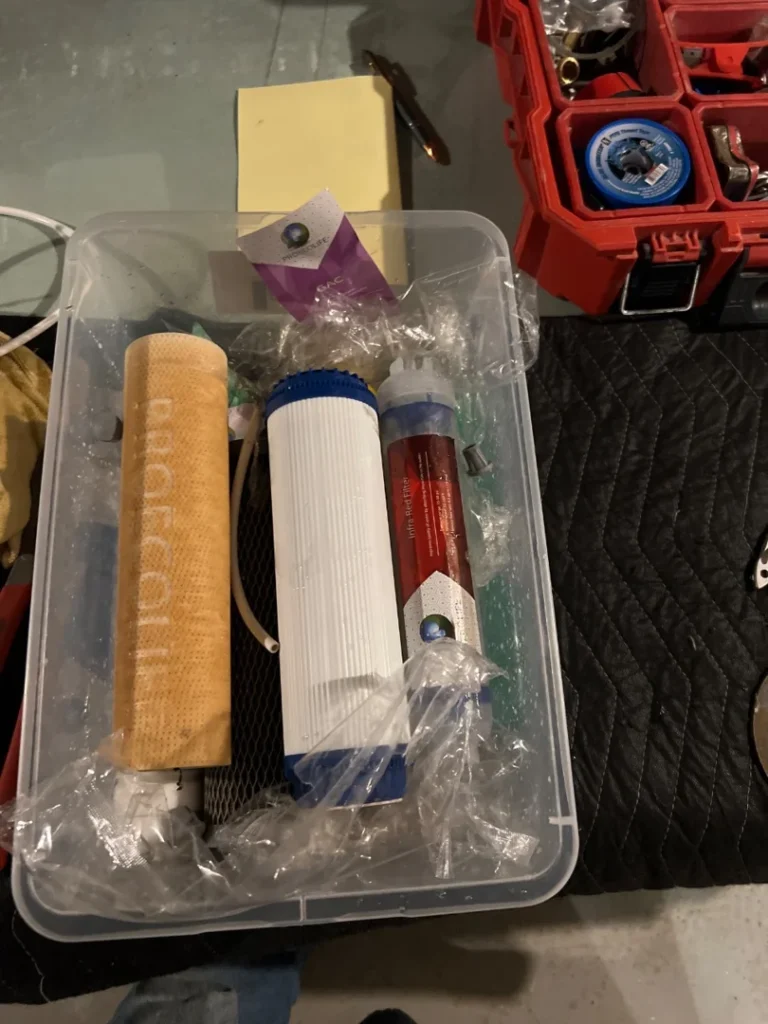
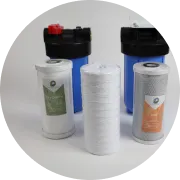
To address this, the city began distributing water filter sets to impacted households. Each municipal filter set includes a water pitcher and six replacement cartridges certified under NSF/ANSI Standard 53 for lead reduction. If you live in a classic Chicago two-flat, each individual apartment in a two-flat may qualify for its own separate filter set.
Understanding the risks of lead exposure is the first step toward protecting your family, especially in older homes across Norwood Park, Edison Park, Jefferson Park, Park Ridge, Niles, Des Plaines, Skokie, Glenview, Arlington Heights, and Morton Grove. You can read more about the scope of local contamination in our detailed article on Chicago’s Risky Water Problem. For additional safety guidelines, you can also consult the official city resources at Water – Lead-Safe Chicago .
How to Qualify for the City of Chicago Water Filter Program
To find out if you qualify for a municipal filter set, you do not have to guess. The city provides an online portal where you can enter your address and zip code. If your home qualifies, your address will automatically populate the field.
Generally, you qualify for a city filter set if your home meets any of the following criteria:
- You recently had a water meter installed through the MeterSave program.
- Your block is undergoing water main construction or replacement.
- You requested a water test kit from the city, and the results showed lead levels above 15 ppb.
- You received a specific mailer from the DWM containing a unique “filter code.”
If you are unsure whether your home is connected to a lead pipe, check out our guide on How to Use the WBEZ Lead Pipe Map to Check Your Chicago Home.
Requesting a Water Test Kit Under the City of Chicago Water Filter Program
If you do not have a filter code but are concerned about your water quality, you can request a water testing kit through the city. The process is straightforward:
- Request the Kit: Call Chicago’s 3-1-1 hotline or register online at chicagowaterquality.org.
- Stagnate Your Water: Before collecting your samples, your water must sit unused in your pipes for at least 6 consecutive hours — most residents do this first thing in the morning or right after returning from work.
- Collect the Samples: Follow the instructions included in the kit to fill the provided sample bottles.
- Schedule Pickup: Once your bottles are filled, you can schedule a city pickup online, and a DWM representative will retrieve your samples.
- Get Your Results: The laboratory will analyze your water and publish the results online. If your results show lead levels above 15 ppb, the city will mail you a certified water filter set and contact you to coordinate a mitigation plan.
For a deeper dive into how municipal testing works and what to do while you wait, read our resource on Reliable Water Testing Service in Chicago for Your Home or Business.
Need Clean, Safe Water at Home?
Get a free water test at your home or business. We install and service whole-house filtration and PEL75 reverse osmosis systems across Chicagoland. We also take select projects in Wisconsin and Indiana.
Book a Free Water TestCall (312) 889-8888Chicago’s Lead Service Line Replacement Programs
While pitcher filters provide temporary relief, the only permanent solution to lead contamination is removing the lead pipes entirely. Chicago is home to approximately 400,000 lead service lines. Because these service lines are technically the private property of the homeowner, replacing them requires excavation from the street water main all the way into the home.
To help homeowners navigate this costly process, the city has introduced two primary replacement programs under the Equity Lead Service Line Replacement Program banner.
The Equity Lead Service Line Replacement Program
The Equity Lead Service Line Replacement Program is designed to support qualifying low-to-moderate-income homeowners with lead service line replacement.
To qualify for this city-supported replacement program, you must meet the following criteria:
- Ownership: You must own and occupy the single-family home or two-flat.
- Income Limits: Your household income must be below 80% of the Area Median Income (AMI).
- Vulnerable Residents: Priority is given to households with children under the age of 18 or those with verified water test results showing lead levels above 15 ppb.
When applying, you will need to provide a complete documentation checklist, including proof of ownership, tax returns, and income verification for all household members over the age of 18. Once approved, the city coordinates the engineering and construction process, replacing the old lead line with a copper line according to program rules.
The Homeowner-Initiated Program
For residents who do not meet the income requirements of the Equity program but still want to proactively remove their lead pipes, the city offers the Homeowner-Initiated Program .
Under this initiative, the homeowner is responsible for hiring a licensed plumbing contractor to perform the physical replacement. However, the city provides incentives that may make the project more manageable:
- Permit Fee Support: The city may waive certain standard permit fees associated with the excavation and street cut.
- Water Meter Coordination: If your home does not already have a water meter, the city may coordinate meter installation during the project.
- Main Connection Coordination: The city may handle the physical connection between your new copper service line and the municipal water main on the street.
Immediate Steps to Reduce Lead Exposure in Your Home
If you suspect you have a lead service line, you should not wait for a construction crew to arrive. There are several daily habits that may help reduce your family’s exposure to lead in older Chicago homes.
- Flush Your Pipes: If your water has sat unused for more than 6 hours, run your cold water tap for at least 5 minutes before using it for drinking or cooking. You can use this “flushed” water for washing dishes, taking a shower, or running a load of laundry so it does not go to waste. Learn more about this technique in our guide on Chicago Pure Water Tip 2.
- Use Cold Water Only: Never use hot tap water for drinking, cooking, or preparing baby formula. Hot water can dissolve lead faster than cold water, especially in older plumbing common across Chicago’s Northwest Side and nearby suburbs. For more information, check out Chicago Pure Water Tip 4.
- Clean Your Aerators: Tiny metal screens called aerators sit inside your faucet tips. Over time, they can trap sediment and tiny lead particles. Routine faucet maintenance may help reduce trapped sediment from entering your glass. See our step-by-step instructions at Chicago Pure Water Tip 7.
- Replace Older Faucets: Faucets manufactured before 2014 may contain higher percentages of lead in their brass components. If you are updating fixtures in an older home, work with a qualified plumbing professional and choose modern lead-compliant products. For additional tips on household water hygiene, read Chicago Pure Water Tip 3.
Need Clean, Safe Water at Home?
Get a free water test at your home or business. We install and service whole-house filtration and PEL75 reverse osmosis systems across Chicagoland. We also take select projects in Wisconsin and Indiana.
Book a Free Water TestCall (312) 889-8888How Chicago’s Program Compares to Other Cities
Municipalities across North America are tackling the challenge of lead service lines in different ways. Some cities use direct-to-home filter distribution, while others rely on rebates or coupon systems. Chicago’s challenge is especially large because of its Lake Michigan source water moving through aging infrastructure and an unusually high number of lead service lines in older homes.
| Program Feature | Chicago DWM Program | Toronto Faucet Filter Rebate | Cook County Coupon Program |
|---|---|---|---|
| Primary Method | Direct delivery of filter pitcher + 6 cartridges | Rebate for faucet-mounted filters | Mail-in coupons for retail stores |
| Eligibility | MeterSave homes, high test results (>15 ppb) | Income-qualified residents, pregnant residents, or kids <6 | Medicaid-enrolled families with kids under 7 |
| Requirements | Address check or filter code | NSF/ANSI-53 certified filter purchase receipt | Coupon redemption at local Jewel-Osco |
| Scale | Targeted to high-risk neighborhoods | Citywide for eligible properties | Distributed to ~90,000 households |
In Canada, the Faucet rebate program in Toronto helps eligible households purchase and maintain faucet-mounted filters, provided they are certified to meet NSF/ANSI-053 standards.
Closer to home, Cook County launched a coupon initiative that distributed water filter coupons to approximately 90,000 households enrolled in Medicaid with young children. These families could redeem their coupons at local Jewel-Osco stores for a filter pitcher and replacement cartridges. While these programs are helpful, they often put the administrative burden on the resident to track and redeem paper coupons.
Limitations of Municipal Filter Programs and Long-Term Solutions
While the city of Chicago water filter program is a meaningful effort, municipal pitcher filters come with real-world limitations:
- The 20-Year Timeline: Under the latest federal guidelines, Chicago has been granted a 20-year extension to fully replace its lead service lines. That means many families will be waiting decades for a permanent fix.
- The Maintenance Trap: Pitcher filters only work if you replace the cartridges on time. If you forget to swap the filter, the trapped lead can begin to slough off, occasionally resulting in higher lead concentrations than the untreated tap water.
- Point-of-Use Limits: A pitcher filter only treats the water you manually pour into it. It does not address every tap you use for brushing teeth, rinsing vegetables, or bathing children.
- Suburban Hard Water: If you live on the Northwest Side or in suburbs like Niles, Park Ridge, Glenview, Des Plaines, Arlington Heights, or Morton Grove, you also have to contend with high mineral hardness. Pitcher filters do not soften water or protect your home’s plumbing from scale buildup.
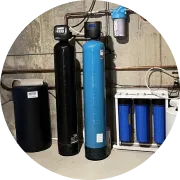
For families seeking a more complete approach, point-of-use pitcher filters are rarely enough. ProEcoLife’s proprietary technology is designed around local Chicago water conditions — Lake Michigan source water, lead-risk plumbing in older homes, and hard water in the Northwest suburbs. A system such as our PEL75 9-Stage RO System may help reduce lead, heavy metals, chlorine, and microplastics directly at your kitchen sink. Alternatively, a Whole House Filtration system or a specialized Well Water Conditioning setup may help protect more of your home’s plumbing and water-using appliances. Results vary depending on your home’s plumbing, water chemistry, and system configuration.
To explore your options, read our guide on How to Choose the Best Lead Water Filter in Chicago: A 2026 Guide or learn about whole-home safety with The Best Whole House Water Filtration Systems in Chicago for Crystal Clear Water.
Frequently Asked Questions About Chicago Water Quality
What happens if my water test exceeds the 15 ppb EPA action level?
If your city-provided water test reveals lead levels above 15 ppb, the DWM will send you a detailed notification letter. They will also coordinate a home visit with a team of experts—including a plumber, an electrician, and a sanitary engineer—to investigate the source of the lead and recommend a customized mitigation plan for your property.
Is Chicago’s drinking water safe for children?
While Chicago’s municipal water meets all EPA standards when it leaves the treatment plant, the presence of lead service lines means that 68% of children under the age of six in Chicago have detectable levels of lead in their tap water. Because lead is a neurotoxin that can cause irreversible developmental delays, pediatricians agree there is no safe level of lead exposure. If you are concerned about lead paint or plumbing in your home, you can call 312-747-LEAD (5323) to request a Chicago Department of Public Health (CDPH) home inspection.
How do I check if my home has a lead service line?
You can use the city’s online Service Line Lookup tool. By entering your address or water account number, you can view the recorded material of your service line. If your home was built before 1986 and has not undergone recent utility construction, there is a very high likelihood that your service line is made of lead.
Conclusion
The city of Chicago water filter program offers an important safety net, but a basic pitcher filter is only a temporary band-aid for a decades-long infrastructure problem.
At ProEcoLife, we have been helping Chicago families take control of their tap water since 2014. Founded by Karol Dolega, we are a trusted local water expert proud of our deep Chicago roots. We specialize in advanced filtration technology designed for the unique water conditions of Chicago’s Northwest Side — including Norwood Park, Edison Park, and Jefferson Park — and surrounding suburbs like Park Ridge, Niles, Des Plaines, Skokie, Glenview, Arlington Heights, and Morton Grove.
Whether you need a high-performance PEL75 9-Stage RO System for drinking water, a Whole House Filtration system that may help protect plumbing from hard water scale, a protective Shower Filter System, Well Water Conditioning, or robust Commercial Water Filtration Systems for your business, we have the local expertise to help.
Don’t leave your family’s water quality to guesswork. Take the first step by exploring a customized Chicago Water Filter System designed specifically for your home.
Ready to better understand what’s in your Chicago-area water? Contact ProEcoLife to schedule a water test at (312) 889-8888 or visit proecolife.com.