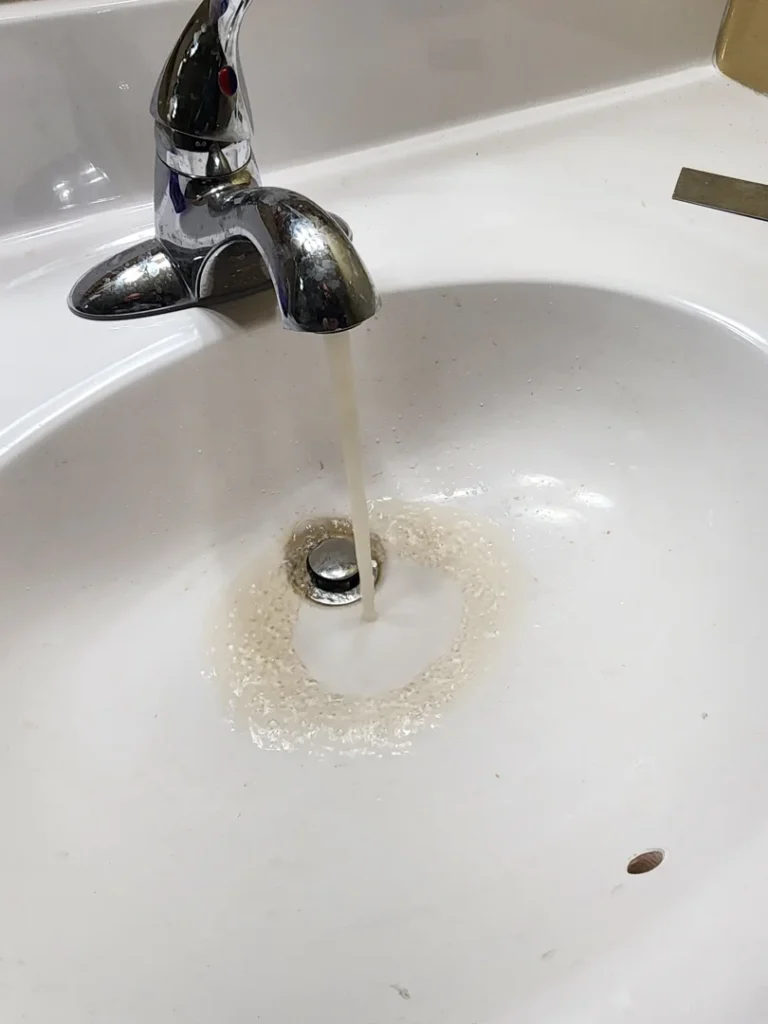

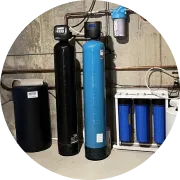



Living in Chicago, you might notice your tap water isn’t always the clearest or best-tasting. Sometimes it has a funny smell, or maybe you’re just worried about what’s actually in it. That’s where whole house water filtration Chicago comes in. It’s not just about better-tasting water; it’s about protecting your home and your health. We’re going to look at some of the top systems that can make a real difference, from the main water line all the way to your shower.
Key Takeaways
- Whole house water filtration systems treat water at the main entry point, ensuring clean water throughout your entire home.
- Advanced systems like the PEL75 9-stage filtration use multiple steps to remove a wide range of contaminants, including lead, chlorine, and heavy metals.
- While whole house systems are great, point-of-use options like under-sink RO systems and shower filters can target specific needs.
- Consider specialized filters for well water, or those that add beneficial minerals and alkalinity back into your water.
- Professional installation and ongoing maintenance are important for ensuring your whole house water filtration Chicago system works effectively for years to come.
1. Proecolife whole house filtration
ProEcoLife has been a fixture in the Chicago water scene since 2014, focusing on advanced filtration systems for both homes and businesses. They really aim to give you that crystal clear, mineral-rich water right from your tap. It’s not just about removing stuff; they’re also about putting good minerals back in.
One of the main things ProEcoLife tackles is Chicago’s notorious lead problem. With so many old lead service lines, lead contamination is a real concern, especially in older neighborhoods. Their systems are designed to tackle this head-on.
Here’s a look at what their whole house systems generally offer:
- Comprehensive Contaminant Removal: They target common issues like chlorine, heavy metals (including lead), bacteria, and other chemical contaminants found in municipal water supplies.
- Mineral Restoration: Unlike some systems that strip everything out, ProEcoLife’s filters are designed to reintroduce beneficial minerals like calcium and magnesium, which are important for health and taste.
- Professional Installation: They emphasize that their systems come with professional installation, meaning trained technicians handle the setup to make sure everything is working right from the start.
- Customizable Solutions: They understand that water quality can vary, so they offer systems that can be tailored to your specific needs, whether it’s for a small apartment or a large house.
ProEcoLife’s approach seems to be about providing a complete solution, not just a filter. They focus on the entire home’s water supply, aiming for a healthier and better-tasting experience for everything from drinking water to showering.
2. Pel75 9-stage filtration
When you’re looking for top-tier water purification for your entire home, the PEL75 9-stage filtration system from ProEcoLife really stands out. It’s not just about removing stuff; it’s a whole process designed to give you the best water possible, right from the tap.
This system is pretty advanced. It uses a combination of ultra-filtration, mineralization, and what they call ‘energizing’ technology. The goal is to take your regular tap water and turn it into something much cleaner, healthier, and better tasting.
Here’s a breakdown of what this 9-stage system aims to do:
- Ultra-Purification: It tackles a wide range of contaminants. Think chlorine, heavy metals like lead and mercury, bacteria, viruses, and even things like pesticides and VOCs. This stage is all about making sure the water is safe and free from anything you wouldn’t want to drink.
- Mineralization: After all that filtering, some good stuff gets removed too. This stage puts essential minerals back in, like calcium and magnesium. This is important for hydration and overall health.
- Energizing Technology: This is a bit more unique. The idea here is to revitalize the water, making it smoother and improving its taste. It’s supposed to help with hydration and make drinking water a more pleasant experience.
So, what does this mean for you day-to-day? Well, it means that water used for drinking, cooking, making coffee, or even for your pets and plants, is of a much higher quality. It’s designed to be reliable for both homes and businesses, handling consistent water flow without a problem.
The PEL75 system is engineered to provide a comprehensive solution, addressing not just purity but also the health benefits and sensory experience of the water you use every day. It’s a significant step up from basic filtration.
3. Under sink ro systems
For kitchens or smaller spaces, under-sink reverse osmosis (RO) systems are a great choice. They fit right under your sink and deliver purified water directly to a dedicated faucet. This means you get really clean drinking water without taking up counter space.
These systems are particularly good for Chicago homes because they can tackle common issues like lead, chlorine, and other contaminants found in city water. They work by pushing water through a semi-permeable membrane, which filters out a lot of impurities. Think of it like a super-fine sieve for your water.
Here’s a quick look at what an under-sink RO system typically does:
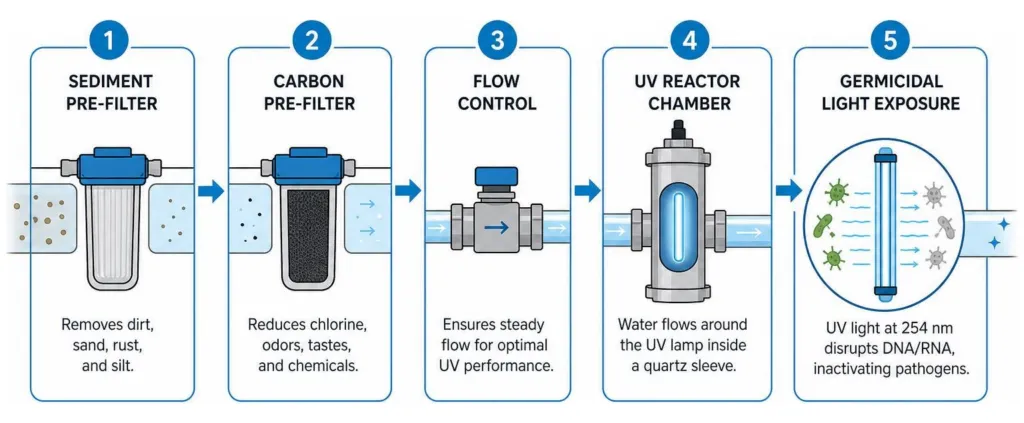
- Pre-filtration: Removes larger particles like sediment and chlorine.
- RO Membrane: The main event, filtering out dissolved solids, heavy metals, and other tiny contaminants.
- Post-filtration: Often a carbon filter to polish the taste and remove any lingering odors.
- Storage Tank: Holds the purified water until you need it.
While RO systems are fantastic for purity, they can sometimes remove beneficial minerals too. Many modern systems include a remineralization stage to add these back, improving taste and health benefits.
Installing one of these systems is usually straightforward for a professional. They’ll connect it to your cold water line and set up a separate faucet for the purified water. It’s a smart way to get high-quality drinking water right from your tap.
Need Clean, Safe Water at Home?
Get a free water test at your home or business. We install and service whole-house filtration and PEL75 reverse osmosis systems across Chicagoland. We also take select projects in Wisconsin and Indiana.
Book a Free Water TestCall (312) 889-88884. Shower filters
You might not think about it much, but the water you use in the shower can really affect your skin and hair. Chicago’s tap water, like many city supplies, often has chlorine and other minerals that can leave your skin feeling dry and your hair looking dull. It’s not just about how it feels, either; these things can actually damage your hair over time and make your skin irritated.
A shower filter is a pretty simple addition that can make a big difference. It attaches right onto your existing showerhead and works to remove common impurities like chlorine, heavy metals, and sediment before the water even hits you. This means softer skin, healthier hair, and a more pleasant shower experience overall.
Here’s a quick look at what a good shower filter can do:
- Reduces Chlorine and Chemicals: Takes out chlorine and chloramines that can dry out your skin and strip color from your hair.
- Filters Heavy Metals: Helps remove things like lead and mercury that might be present in the water.
- Traps Sediment: Catches rust and other particles that can come from older pipes.
- Adds Beneficial Minerals (in some models): Some filters can even add back minerals that are good for your skin and hair.
Think of it as a mini water treatment system just for your shower. It’s an easy way to upgrade your daily routine and feel better about the water you’re using for personal care.
Installing a shower filter is usually straightforward, often taking less than 30 minutes. It’s a small change that can lead to noticeable improvements in your skin and hair health, making every shower feel a bit more like a spa treatment.
5. Well water conditioning
If your home gets its water from a well, you might be dealing with some unique challenges that city water doesn’t usually present. Well water can often be hard, meaning it has a high concentration of dissolved minerals like calcium and magnesium. This hardness isn’t just annoying; it can lead to scale buildup in your pipes and appliances, making them less efficient and shortening their lifespan. Plus, it can leave your skin feeling dry and your hair looking dull after a shower.
Beyond hardness, well water can sometimes have issues with odor or taste, often due to dissolved iron or sulfur. These aren’t typically health hazards in small amounts, but they’re definitely not pleasant. That’s where well water conditioning systems come in. These systems are specifically designed to tackle these common well water problems.
The primary goal of a well water conditioner is to remove those hardness minerals and improve the overall quality of your water. They work using a process called ion exchange. Essentially, the system uses special resin beads that attract and hold onto the hard minerals, releasing softer, more manageable ions back into the water. This process makes a big difference in how your water feels and performs throughout your home.
Here’s a quick look at what a well water conditioning system can do:
- Reduces Mineral Buildup: Prevents scale from forming in your plumbing, water heater, dishwasher, and other appliances. This means they run better and last longer.
- Improves Water Feel: You’ll notice softer skin and smoother hair after showering, and laundry might come out feeling cleaner and softer too.
- Eliminates Odors and Tastes: Many systems can also address issues like metallic tastes or sulfur smells, making your water more enjoyable to drink and use.
- Protects Fixtures: Less scale means fewer spots on your faucets, showerheads, and dishes.
While city water is treated and regulated, well water quality can vary greatly depending on your location and the surrounding environment. Regular testing is a good idea to understand exactly what’s in your well water and to ensure your conditioning system is properly addressing any issues.
Installing a well water conditioning system is a smart move for homeowners relying on well water. It’s an investment that pays off by protecting your home’s infrastructure, improving your daily comfort, and ensuring you have pleasant-tasting water from every tap.
6. Alkaline and mineral filters

Beyond just removing contaminants, some whole house water filtration systems offer the added benefit of reintroducing beneficial minerals and adjusting the water’s pH. This is where alkaline and mineral filters come into play.
Alkaline filters work by increasing the pH of your water, typically aiming for a range between 7.8 and 8.5. This process also involves adding back essential minerals like calcium, magnesium, sodium, and potassium, which are often stripped away by other filtration methods like reverse osmosis. The idea is that this slightly alkaline, mineral-rich water is better for hydration and can help balance the body’s natural pH. Many people report that alkaline water simply tastes smoother and more refreshing.
Mineral filters focus specifically on replenishing the water with healthy minerals. Think of it as putting back the good stuff that might have been removed. These filters add minerals such as calcium, magnesium, and potassium, which are important for overall health and can contribute to better-tasting water. It’s a way to get those beneficial elements directly from your tap water.
Here’s a quick look at what these filters can do:
- pH Balancing: Alkaline filters raise the pH, potentially offering health benefits and improving taste.
- Mineral Replenishment: Both types add back essential minerals lost during purification.
- Improved Taste: Many users find that mineralized and alkaline water has a cleaner, more pleasant flavor.
- Enhanced Hydration: Some believe that alkaline water is more easily absorbed by the body.
While the scientific community continues to study the long-term health effects of alkaline water, many users report feeling better and enjoying the taste more. It’s a feature that can really elevate your daily water intake from just being about hydration to also being about wellness.
These filters are often integrated into multi-stage systems, working alongside other filtration methods to provide a comprehensive approach to water quality. They’re a great option if you’re looking for water that’s not only clean but also contributes positively to your well-being.
Need Clean, Safe Water at Home?
Get a free water test at your home or business. We install and service whole-house filtration and PEL75 reverse osmosis systems across Chicagoland. We also take select projects in Wisconsin and Indiana.
Book a Free Water TestCall (312) 889-88887. Infrared and shungite filters
Beyond the typical filtration stages, some advanced systems incorporate infrared and shungite filters. These aren’t about removing particles in the traditional sense, but rather about altering the water’s properties on a molecular level.
Infrared filters use far-infrared rays to "energize" water molecules. The idea is that this process can improve oxygenation in the body and support natural detoxification. It’s thought to make the water molecules more active, potentially leading to better absorption by your cells.
Shungite, on the other hand, is a natural mineral that contains carbon fullerenes. These are known for their antioxidant properties. When used in a water filter, shungite is believed to help neutralize free radicals, which can be beneficial for overall health, metabolism, and vitality. These filters aim to revitalize water, making it more beneficial for your well-being.
While the scientific evidence for these specific water treatments is still developing, many users report feeling a difference in the water’s taste and a general sense of improved hydration and energy. They represent a more holistic approach to water purification, going beyond just contaminant removal.
8. Chlorine filters and post-carbon polish
Chlorine is a common disinfectant used in municipal water supplies, and while it’s effective at killing harmful bacteria, it can leave an unpleasant taste and smell in your water. That’s where chlorine filters and post-carbon polishing come into play.
These filters are designed to tackle chlorine and other volatile organic compounds (VOCs) that can affect your water’s quality. Granular Activated Carbon (GAC) is a popular material used in these filters. It works by adsorbing impurities from the water as it passes through. This process significantly improves the taste and odor of your water, making it much more enjoyable to drink.
Beyond just removing chlorine, a post-carbon filter acts as a final stage of purification. Think of it as a final polish for your water. It catches any remaining tastes or odors that might have slipped through earlier stages, ensuring that every glass of water is as clear and fresh as possible. This is especially important for drinking water, but it also makes a difference in cooking and even bathing.
Here’s a quick look at what these filters typically address:
- Chlorine and Chloramines: These are the primary targets, responsible for that distinct "pool" smell and taste.
- Odors: Any lingering unpleasant smells from the water supply are usually neutralized.
- Organic Chemicals: Various organic compounds that can affect taste and safety are removed.
- Taste Improvement: The overall palatability of your water is greatly enhanced.
While chlorine is essential for disinfecting public water supplies, its presence in your home’s water can lead to a less-than-ideal drinking experience. Integrating a dedicated chlorine filter and a post-carbon stage into your whole house system is a straightforward way to ensure your water is not only safe but also tastes great straight from the tap. This final polishing step is key to achieving that crystal-clear quality you’re looking for.
Many whole house systems, like those offered by ProEcoLife, incorporate these stages to provide comprehensive water treatment. They often use a combination of sediment filters, followed by activated carbon, and then potentially more advanced stages like reverse osmosis. The post-carbon filter is typically the last step before the water reaches your faucet, guaranteeing a clean finish. If you’re looking to improve the taste and smell of your Chicago water, focusing on these chlorine and carbon filtration stages is a smart move. You can find more information on different filtration stages to see how they fit into a complete system.
9. Reverse osmosis ro membrane
When you’re looking for the highest level of water purity, the reverse osmosis (RO) membrane is a key player. Think of it as a super-fine filter, so tiny that it can block even dissolved solids and microscopic contaminants that other filters might miss. This technology is what really gets your water down to its purest state.
RO systems work by pushing water through this semi-permeable membrane. It’s a pretty neat process. The membrane lets water molecules pass through but stops a lot of other stuff – we’re talking about things like lead, chlorine, bacteria, viruses, and even dissolved salts. This means you get water that’s not just clear, but also incredibly clean.
Here’s a general idea of what an RO membrane can tackle:
- Dissolved Solids: Up to 98% of things like salts, minerals, and metals.
- Contaminants: Many types of bacteria, viruses, and protozoa.
- Chemicals: Certain pesticides and industrial chemicals.
While RO is fantastic for purity, it’s worth noting that it can also remove some beneficial minerals. That’s why many advanced systems, like those offered by ProEcoLife, include a remineralization stage afterward. This step adds back healthy minerals, so you get the best of both worlds: super-pure water that’s also good for you.
The effectiveness of a reverse osmosis system hinges on the quality and maintenance of its membrane. Regular checks and timely replacement are important to keep it working right.
For many Chicago homes dealing with various water quality issues, a reverse osmosis membrane is a powerful component of a whole-house filtration setup, providing that extra layer of assurance for your drinking water.
10. Point-of-entry poe filtration
Point-of-entry (POE) filtration systems are installed where the main water line enters your home. This means all the water used in your house, from every faucet and showerhead, goes through the filter first. It’s like giving your entire house its own personal water treatment plant.
This type of system is designed to handle the water needs of the whole house, ensuring consistent water quality everywhere. Unlike point-of-use systems that only filter water at a single tap, POE systems offer a comprehensive solution. They are particularly beneficial in areas with common water quality issues, like Chicago, where aging infrastructure can sometimes affect tap water. A POE system can tackle a range of problems, from sediment and chlorine to more complex contaminants.
Here’s what you can expect from a POE system:
- Whole-Home Protection: Every drop of water entering your home is filtered, protecting not just your drinking water but also your appliances, plumbing, and even your skin and hair from harsh elements like chlorine.
- Customizable Filtration: POE systems can be configured with different types of filter cartridges. You might start with a sediment filter to catch larger particles, followed by a carbon filter to remove chlorine and improve taste and odor. Depending on your specific water test results, you can add specialized filters for things like heavy metals or other contaminants.
- Appliance Longevity: By removing sediment and minerals, POE filters help prevent scale buildup and corrosion in water heaters, dishwashers, washing machines, and other water-using appliances. This can significantly extend their lifespan and reduce maintenance costs.
Installing a point-of-entry system is a significant upgrade for your home’s water. It addresses water quality at the source, providing peace of mind and improving the overall water experience throughout your living space. It’s a proactive step towards healthier living and protecting your home’s infrastructure.
When considering a POE system, look for options that offer high flow rates to ensure you don’t experience a drop in water pressure. Professional installation is also highly recommended to guarantee the system is set up correctly and functions optimally. Companies specializing in Chicago water purification can help assess your needs and recommend the best POE solution for your home.
When it comes to keeping your water clean right from the start, point-of-entry (POE) filtration is key. This system tackles impurities before they even enter your home’s pipes, ensuring healthier water for everything from your shower to your drinking glass. Want to learn more about how POE filters work and find the best one for your needs? Visit our website today for expert advice and solutions!
Wrapping Up Your Chicago Water Journey
So, we’ve looked at why clean water matters and what makes Chicago’s water unique, especially with things like lead being a concern in older pipes. Getting a whole-house water filtration system is a pretty big step, but it really makes a difference for your whole home. Companies like ProEcoLife offer solutions that can tackle these issues, from filtering out contaminants to making sure your water tastes good. Remember, the best system for you depends on what’s in your water and what you want to achieve. Taking the time to test your water and talk to local experts is a smart move to get that crystal clear, healthy water you’re looking for.
Frequently Asked Questions
What is a whole house water filter and why do I need one in Chicago?
A whole house water filter is a system installed where your main water line enters your home. It cleans all the water used in your house, from every faucet and shower. In Chicago, this is important because the city’s water can sometimes have issues like lead from old pipes or chlorine. A whole house filter makes sure all the water you use is clean and safe.
How does a 9-stage filtration system like the PEL75 work?
A 9-stage system uses multiple steps to clean your water. Each stage tackles different impurities. It might start with removing big particles, then get rid of chlorine and chemicals, followed by finer filtering to remove metals and other tiny contaminants. Some stages even add healthy minerals back into the water, making it great for drinking.
Are under-sink RO systems different from whole house systems?
Yes, they are different. Under-sink RO (Reverse Osmosis) systems are smaller and usually installed just under your kitchen sink to provide purified drinking water from that specific faucet. Whole house systems, on the other hand, treat all the water entering your home, offering cleaner water for everything, not just drinking.
What are the benefits of using shower filters?
Shower filters are designed to remove chlorine and other chemicals from your shower water. This can make your skin feel less dry and itchy, and your hair softer and healthier. It’s a simple way to improve your shower experience and reduce exposure to potentially irritating substances.
Why is water softening important for Chicago homes?
Chicago’s water is known to be ‘hard,’ meaning it has a lot of minerals like calcium and magnesium. Hard water can leave scale buildup in pipes and appliances, making them less efficient and shortening their life. Water softening equipment removes these minerals, leading to cleaner dishes, softer clothes, and better-functioning appliances.
How often do I need to replace filters in my whole house system?
The frequency of filter replacement depends on the type of filter and how much water you use. Typically, sediment or carbon filters might need changing every 6-12 months. More complex systems, like RO membranes, can last longer, often 2-5 years. We can help you set up a schedule based on your specific system and water usage.