
Lead in Chicago Tap Water: What You Need to Know Right Now
A reverse osmosis filter for lead removal is one of the most effective tools a Chicago homeowner can use to protect their family’s drinking water — removing up to 99% of lead at the tap, according to multiple independent studies.
Quick answer: Does reverse osmosis remove lead from tap water?
- Yes. Residential RO systems remove 97–99% of lead from drinking water.
- RO membranes filter particles as small as 0.0001 microns — far smaller than lead ions.
- It works at the point of use, meaning it treats water after it passes through aging pipes.
- It is recommended by the EPA as a treatment method for homes with lead in plumbing.
- Look for systems certified to NSF/ANSI Standard 58 for verified lead reduction.
Here in Chicago, lead in drinking water is not a hypothetical. The city has more lead service lines than almost anywhere else in the United States. Older homes throughout the Northwest Side — in neighborhoods like Norwood Park, Edison Park, and Jefferson Park, and in nearby suburbs including Park Ridge, Niles, and Skokie — were built when lead pipes were standard practice. Many of those pipes are still in the ground today.
The water coming from Lake Michigan is treated, yes. But it picks up lead after it leaves the treatment plant, as it travels through aging infrastructure and into your home’s own plumbing.
Lead cannot be seen, tasted, or smelled. That’s what makes it so dangerous. By the time you notice a problem, exposure may have already happened — especially for young children, whose developing brains are most vulnerable.
This guide explains exactly how a reverse osmosis system removes lead, how it compares to other options, and what Chicago homeowners should know before choosing a system.
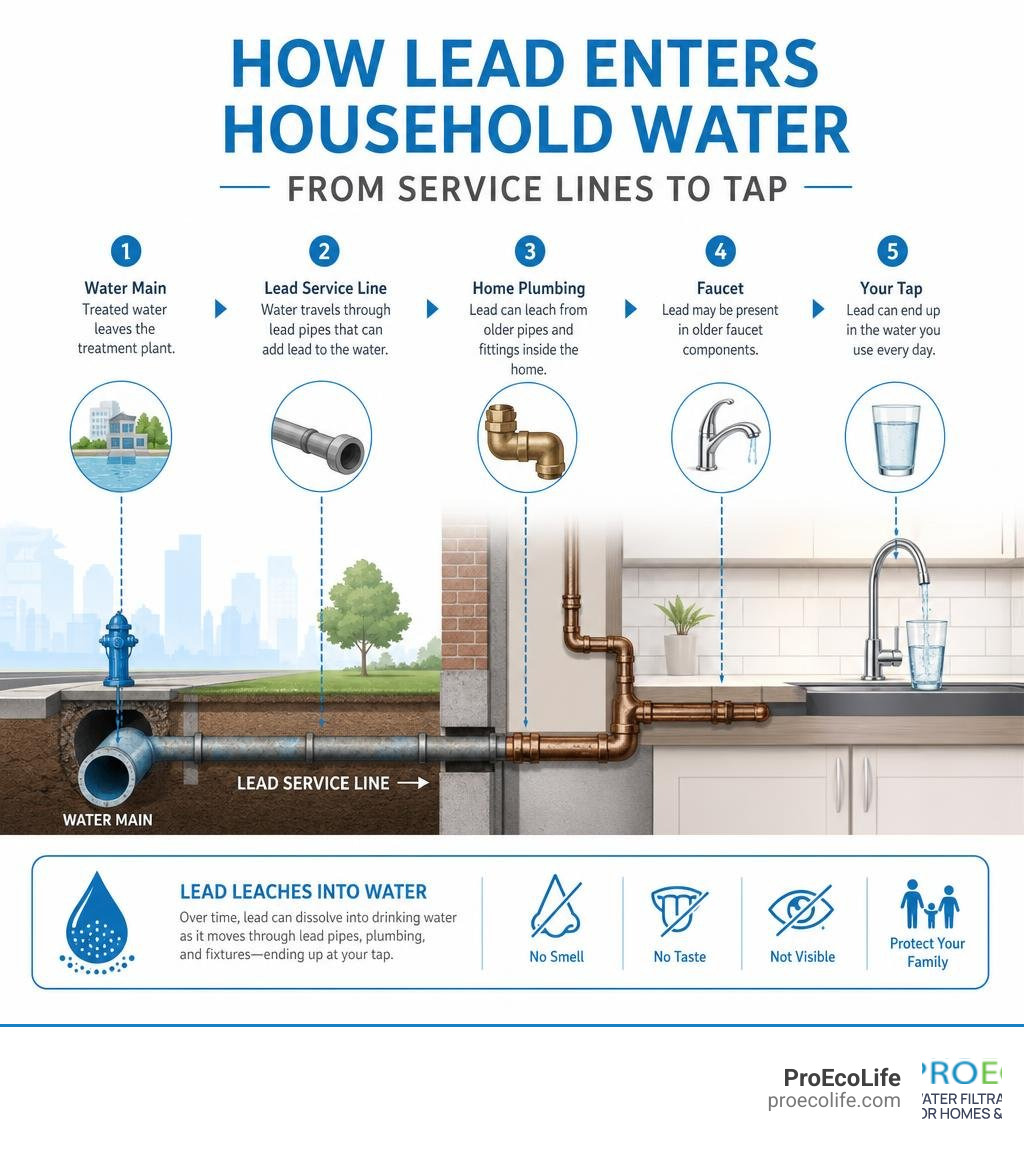
Chicago’s Lead Water Crisis: Why Your Tap is at Risk
As trusted local Chicago water experts, we have spent years studying how our local municipal systems interact with residential plumbing. The harsh reality of living in the Chicago area in June 2026 is that our infrastructure is aging. While Lake Michigan provides us with an abundant source of freshwater, the path that water takes to reach your kitchen faucet is fraught with risk.
For decades, city building codes actually mandated the use of lead service lines for single-family homes and small multi-unit buildings. This mandate was kept in place until federal regulations banned them in 1986. Consequently, if your home in Norwood Park, Jefferson Park, or Edison Park was built before the mid-1980s, there is a very high probability that the pipe connecting your home to the water main is made of pure lead.
This is not a problem confined to city limits. Surrounding suburbs face the exact same challenges. Local municipalities are working hard to catalog and replace these lines, but progress takes time. For instance, you can check the progress of local efforts through the Niles Lead Line Replacement Information portal, the Skokie Lead Water Service Lines page, or the City of Evanston Lead Service Line Replacement program.
The scope of this issue is massive. Even further out in the suburbs, lead contamination continues to make headlines. For example, local testing revealed significant issues, which we documented in our reports on Lead Found In Bartlett Drinking Water. For our Polish-speaking neighbors who make up such a vital part of our local community, we also published a comprehensive guide on the Wysoki Poziom Olowiu W Wodzie Pitnej W Bartlett to ensure everyone has access to this critical safety information.
When municipal water departments adjust chemistry to prevent corrosion, it may help coat the inside of the pipes to keep lead from leaching. However, any change in water pressure, construction nearby, or internal plumbing work can cause the protective scaling inside those pipes to flake off. When this happens, highly concentrated particulate lead enters your drinking water.
Need Clean, Safe Water at Home?
Get a free water test at your home or business. We install and service whole-house filtration and PEL75 reverse osmosis systems across Chicagoland. We also take select projects in Wisconsin and Indiana.
Book a Free Water TestCall (312) 889-8888How a Reverse Osmosis Filter Lead Removal System Protects Your Home
If you want to secure your drinking water, understanding the technology behind filtration is key. Many homeowners ask us, how does reverse osmosis work, and why is it so effective against heavy metals?
To understand the process, it helps to first look at how standard osmosis works. In nature, water naturally flows from an area of low solute concentration to an area of high solute concentration. Reverse osmosis, as the name suggests, reverses this natural process. By applying high pressure to the incoming tap water, we force the water molecules through a semi-permeable membrane, leaving the contaminants behind to be flushed away.
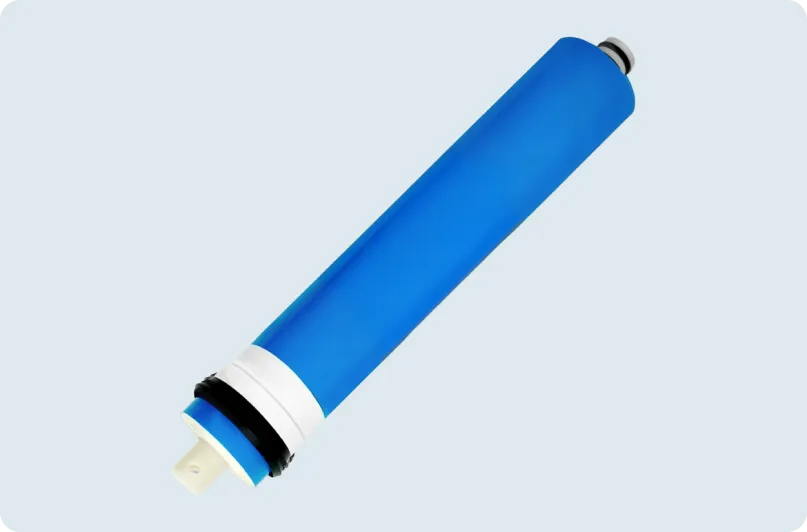
The heart of any high-quality RO system is this semi-permeable membrane. The microscopic pores in a residential RO membrane are approximately 0.0001 microns in size. To put that in perspective, a single strand of human hair is about 75 microns in diameter. A lead ion is roughly 0.0003 microns. Because the membrane’s pores are so incredibly small, they act as a physical barrier that easily blocks heavy metals, dissolved solids, and chemical compounds.
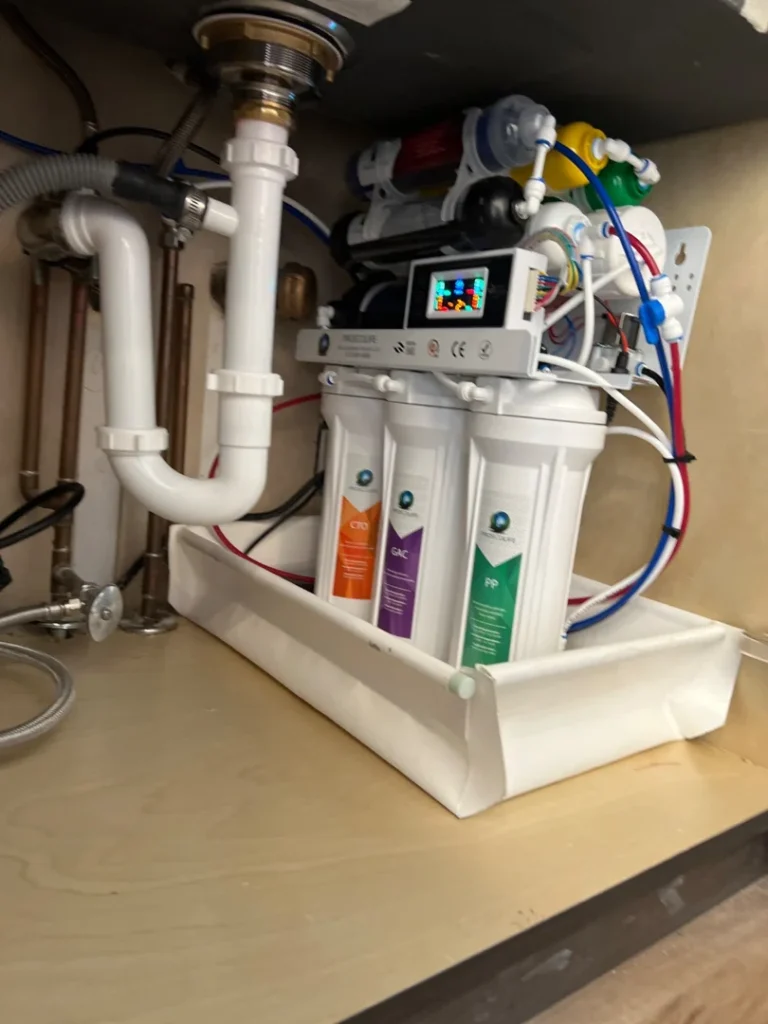
When you install a point-of-use reverse osmosis system under your kitchen sink, the water undergoes a multi-stage process. If you want to dive deeper into the physics of this process, check out our guide on How Does Reverse Osmosis Work, or read the Polish translation, Jak Dziala System Odwroconej Osmozy.
By combining physical sediment barriers, activated carbon blocks, and the RO membrane itself, these systems provide a comprehensive defense. They are uniquely capable of addressing dissolved heavy metals. If you are researching how to protect your household from these specific threats, we highly recommend reading our specialized article on Jak Usunac Metale Ciezkie Z Wody for a complete breakdown of heavy metal remediation.
The Science of Lead Removal: RO vs. Other Filtration Methods
When it comes to protecting your family, you shouldn’t have to rely on guesswork. The effectiveness of reverse osmosis is backed by rigorous scientific research. A landmark study published in MDPI’s Sustainability journal, titled Lead Removal by Reverse Osmosis: Seeking Sustainability in the Operation of Advanced Technologies: A Preliminary Study, demonstrated that even under varying pressure and flow conditions, reverse osmosis membranes consistently achieve lead rejection rates exceeding 92.98%, and up to 99.75% under optimal operating parameters.
To help you understand how reverse osmosis stacks up against other common household water treatment strategies, we have put together a comparison table:
| Method | Lead Removal Rate | Target Contaminants | Pros | Cons |
|---|---|---|---|---|
| Reverse Osmosis (RO) | 97% – 99% | Lead, PFAS, Arsenic, Fluoride, TDS, Chlorine | Extremely high removal rate; filters dissolved and particulate lead at point of use. | Generates wastewater; removes beneficial minerals (requires remineralization). |
| Activated Carbon Filters | 50% – 95% (Varies) | Chlorine, VOCs, some heavy metals (if certified) | Cost-effective; does not waste water; retains natural minerals. | Subject to saturation; does not remove all dissolved solids; no physical barrier. |
| Pipe Flushing (Running Tap) | Temporary / Unpredictable | Loose particulates in standing water | Free; requires no equipment installation. | Wastes clean water; does not remove dissolved lead; highly inconsistent. |
Choosing a Reverse Osmosis Filter Lead Reduction System over Carbon Filters
While standard carbon filters—like the ones found in typical pitcher filters or basic faucet attachments—are excellent for improving taste and removing chlorine, they have real limitations when it comes to heavy metals.
Carbon filters work through a process called adsorption, where contaminants cling to the surface area of the carbon granules. However, carbon filters have finite adsorption limits. Once the filter medium becomes saturated with organic chemicals and chlorine, its ability to capture heavy metals drops significantly. If you forget to change a carbon filter on time, it can even begin releasing trapped contaminants back into your water.
Furthermore, standard carbon filters do not provide a physical barrier against dissolved ions. A reverse osmosis filter for lead reduction, on the other hand, does not solely rely on chemical attraction. The RO membrane is a physical gatekeeper. Even if the pre-filters are working hard, the membrane acts as a secondary, fail-safe barrier that prevents lead from passing through.
For a deeper look into carbon technology, you can read our guide: Filtry Weglowe Do Wody Co Dokladnie Usuwaja I Dla Kogo Sa Najlepsze. If you are currently using a simple faucet mount and wondering if it is doing the job, check out Jak Dziala Filtr Do Wody Do Kranu I Czy Naprawde Warto to see how they compare to advanced multi-stage systems.
Why a Reverse Osmosis Filter Lead Solution Outperforms Pipe Flushing
Some municipal guidelines suggest “flushing” your pipes by running your cold water tap for two to five minutes before using it for drinking or cooking. While this practice may help clear out standing water that has been sitting in contact with lead service lines overnight, it is far from a perfect solution.
First, flushing is incredibly water-wasteful. Running your tap for several minutes multiple times a day sends thousands of gallons of treated water directly down the drain every year. Second, it only provides temporary relief. If your neighbors are doing construction, or if there are water main vibrations on your street in Park Ridge or Niles, particulate lead can break loose and enter your tap immediately after you finish flushing.
An under-sink RO system provides continuous, automatic protection. No matter how long the water has been sitting in your service line, the system filters it in real time, right before it pours into your glass.
Need Clean, Safe Water at Home?
Get a free water test at your home or business. We install and service whole-house filtration and PEL75 reverse osmosis systems across Chicagoland. We also take select projects in Wisconsin and Indiana.
Book a Free Water TestCall (312) 889-8888Key Considerations: Water Efficiency, Remineralization, and Corrosivity
While reverse osmosis is incredibly effective, it does require a few technical considerations that every homeowner should understand.

Historically, one of the biggest drawbacks of reverse osmosis was water waste. Traditional RO systems were known to send up to 5 to 10 gallons of reject water down the drain for every single gallon of purified water they produced. Fortunately, water efficiency standards have advanced significantly.
When shopping for a system, look for models that meet strict efficiency guidelines. For example, WaterSense labeled RO systems are certified to send just 2.3 gallons or less of reject water down the drain for every gallon of purified water produced. Choosing an efficient model can save the average household over 3,100 gallons of water per year compared to older, inefficient units.
Another crucial factor is water chemistry. Because reverse osmosis is so powerful, it removes almost all dissolved minerals from the water, including beneficial calcium and magnesium. This can result in water that is slightly acidic and has a flat taste. Some homeowners wonder: Is this demineralized water bad for you? We explore this topic thoroughly in our article, Is Reverse Osmosis Water Really Better For You.
Furthermore, pure RO water is highly hungry for minerals. If this “hungry” water comes into contact with metal pipes or low-quality brass fixtures downstream of the system, it can actually leach metals out of those components. This phenomenon is documented in scientific literature, such as the study on the Influence of permeate from domestic reverse osmosis filters on lead pipes corrosion and plastic pipes leaching.
Similarly, a study published in Environmental Science & Technology investigated the Water Quality of U.S. Drinking Water Kiosks: Lead Release from “Lead-free” Plumbing after Reverse Osmosis Treatment. Researchers found that when RO-treated water with low pH and low alkalinity passes through brass valves or fittings that are legally certified as “lead-free” (which can still contain up to 0.25% lead), the corrosive nature of the water can leach small amounts of lead into the final glass.
This is why we always emphasize the importance of a high-quality system that includes a dedicated remineralization stage. A remineralizer adds healthy calcium and magnesium back into the water after the membrane stage. This balances the pH, neutralizes the corrosivity, and ensures the water tasting fresh and clean. Modern multi-stage systems are also highly effective at addressing other tough contaminants; you can learn more about how advanced membranes handle complex chemical compounds in the study on Nanofiltration and reverse osmosis technologies for disinfection by-product removal | Nature Water.
Professional Installation and Maintenance for Chicago Homes
To ensure that your water filtration system performs exactly as intended, professional installation and regular maintenance are absolutely essential. We do not recommend attempting to install these systems yourself, as improper connections to your cold water line or drain pipe can lead to leaks, pressure drops, or even cross-contamination.
Whether you live in Des Plaines, Glenview, Arlington Heights, or Morton Grove, our team of experienced technicians ensures that your system is integrated flawlessly with your existing plumbing.
To keep your system running at peak performance, you must follow a structured maintenance schedule:
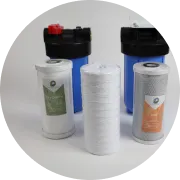
- Pre-Filters (Sediment & Carbon): Replace every 6 to 12 months to protect the delicate RO membrane from chlorine and large particulates.
- RO Membrane: Typically lasts 2 to 3 years, depending on your household’s water usage and incoming water quality.
- Post-Filter & Remineralizer: Replace every 12 months to maintain excellent taste and proper pH balance.
We also recommend utilizing a Total Dissolved Solids (TDS) meter to monitor your system’s performance over time. A rising TDS reading on your purified water is a clear indicator that your membrane is reaching the end of its lifespan and needs to be replaced.
At ProEcoLife, we have been serving the Chicago area since 2014 under the leadership of our founder, Karol Dolega. We understand the specific plumbing challenges of local homes. Our proprietary PEL75 9-Stage RO System is specifically engineered to handle Chicago’s unique water profile—combining advanced mechanical filtration, high-efficiency reverse osmosis, and a premium remineralization stage.
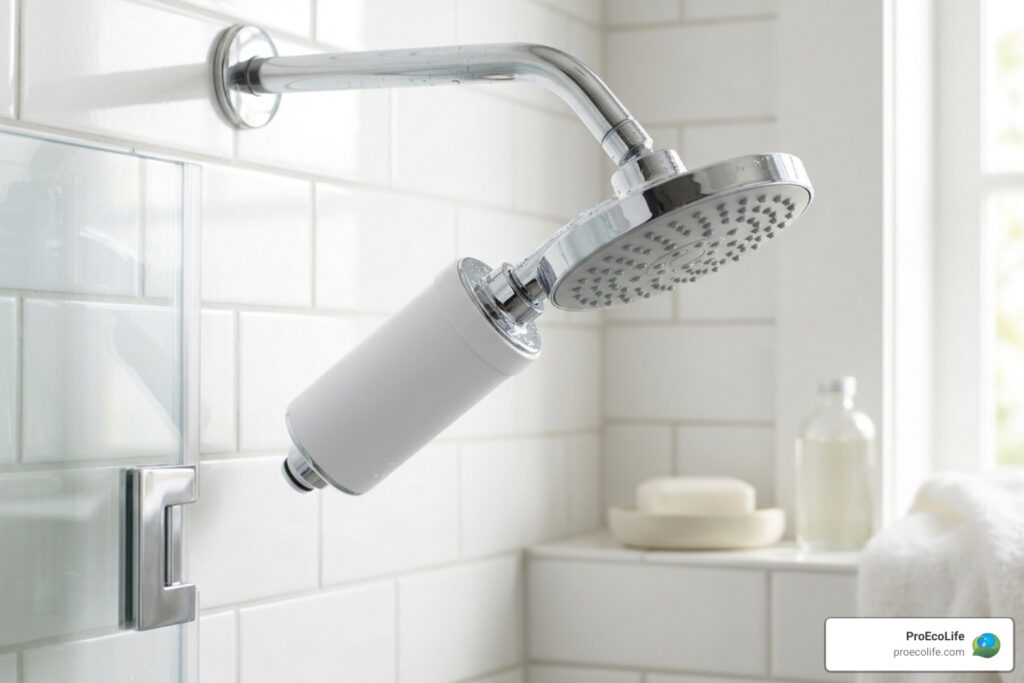
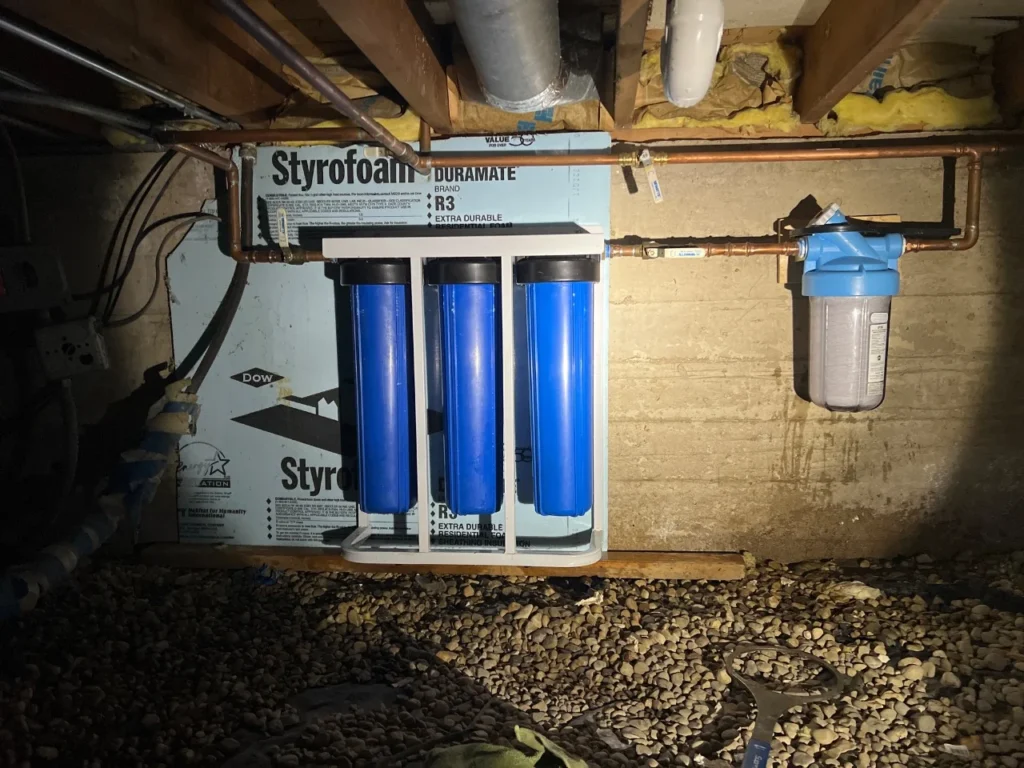
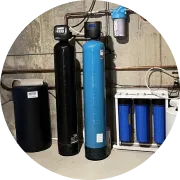
If you are looking for a broader approach to water quality, we also offer complete Whole House Filtration systems, Shower Filter System options, and customized Well Water Conditioning for properties on private wells.
Frequently Asked Questions about Lead and RO Systems
Does boiling water remove lead?
No. Boiling water does not remove lead. In fact, boiling water actually concentrates the lead. Because lead does not evaporate, when you boil water, some of the pure water escapes as steam, leaving behind the exact same amount of lead in a smaller volume of liquid. This increases the concentration of lead in the water you consume. The only way to remove lead is through physical filtration or distillation.
Can lead in water be absorbed through the skin?
No. According to the EPA and CDC, human skin does not easily absorb lead from water. Bathing, showering, and washing dishes in water that contains lead is generally considered safe for both adults and children. The primary health risk from lead in water comes from ingestion—drinking the water or using it to prepare food, infant formula, or beverages.
What certifications should I look for in an RO system?
When choosing a system, look for independent certifications from trusted organizations like the Water Quality Association (WQA) or NSF International. Specifically, look for NSF/ANSI Standard 58 for reverse osmosis systems, which verifies that the system has been independently tested to reduce lead, copper, and other dissolved contaminants. You can also look for the WQA Gold Seal, which indicates compliance with strict industry safety and performance standards.
Conclusion
Protecting your home from lead contamination is one of the most important decisions you can make for your family’s health. While municipal pipe replacement projects are underway across Chicago and suburbs like Niles, Skokie, and Evanston, those infrastructure upgrades will take years to fully complete. You don’t have to wait for the city to fix the pipes to enjoy clean, safe water today.
Since 2014, ProEcoLife and our founder, Karol Dolega, have been dedicated to helping Chicago-area families secure their tap water. Our PEL75 9-Stage RO System provides point-of-use protection that may help reduce lead, PFAS, and other common contaminants, giving you peace of mind with every glass of water.
We encourage you to take the first step toward securing your home’s water quality. Schedule a professional water test with ProEcoLife today. Our local experts will visit your home, analyze your water, and help you find the perfect filtration solution for your needs.
Contact ProEcoLife to schedule a water test at (312) 889-8888 or visit us at proecolife.com.