

Why Getting Chicago Commercial Filtration Service Right Can Make or Break Your Business
Finding a reliable Chicago commercial filtration service is one of the most important — and most overlooked — decisions a business owner in this city can make.
Here’s a quick summary of what you need to know:
| What You’re Looking For | Quick Answer |
|---|---|
| Types of service available | Water filtration, air filtration, grease filter exchange |
| Industries served | Restaurants, healthcare, offices, manufacturing |
| Key water issues in Chicago | Lead, chlorine, hard water minerals, sediment |
| Main filtration technologies | Reverse osmosis, water softeners, UV purification |
| How to choose a provider | Local expertise, custom system design, scheduled maintenance |
Chicago’s water comes from Lake Michigan and is treated by the city — but that doesn’t mean it arrives at your tap (or your commercial equipment) in perfect condition. Aging pipes throughout the city, including older neighborhoods on the Northwest Side and suburbs like Park Ridge and Des Plaines, can introduce lead, sediment, and other contaminants long after the water leaves the treatment plant.
For businesses, the stakes are higher than they are at home. Scale buildup destroys commercial boilers and dishwashers. Chlorine throws off the flavor of coffee and food. Lead contamination creates serious liability. And without the right filtration system in place, you may not even know any of this is happening.
Choosing the wrong provider — or no provider at all — can mean equipment failures, health code violations, and unhappy customers.
This guide walks you through exactly what to look for, what questions to ask, and how to find a commercial filtration partner in Chicago that actually delivers results.
Understanding the Scope of Chicago Commercial Filtration Service Options

When business owners search for a Chicago commercial filtration service, they quickly realize that commercial filtration is not a one-size-fits-all industry. Depending on your business model, you may need a combination of water purification, air filtration, and specialized kitchen exhaust systems.
To help you navigate these options, let’s explore the primary commercial filtration services available across the Chicagoland area. Partnering with a specialized provider for each system ensures your facility operates at peak efficiency. You can read more about options in our guide on the top commercial water filtration services in chicago.
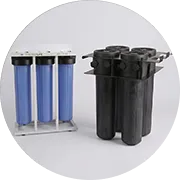
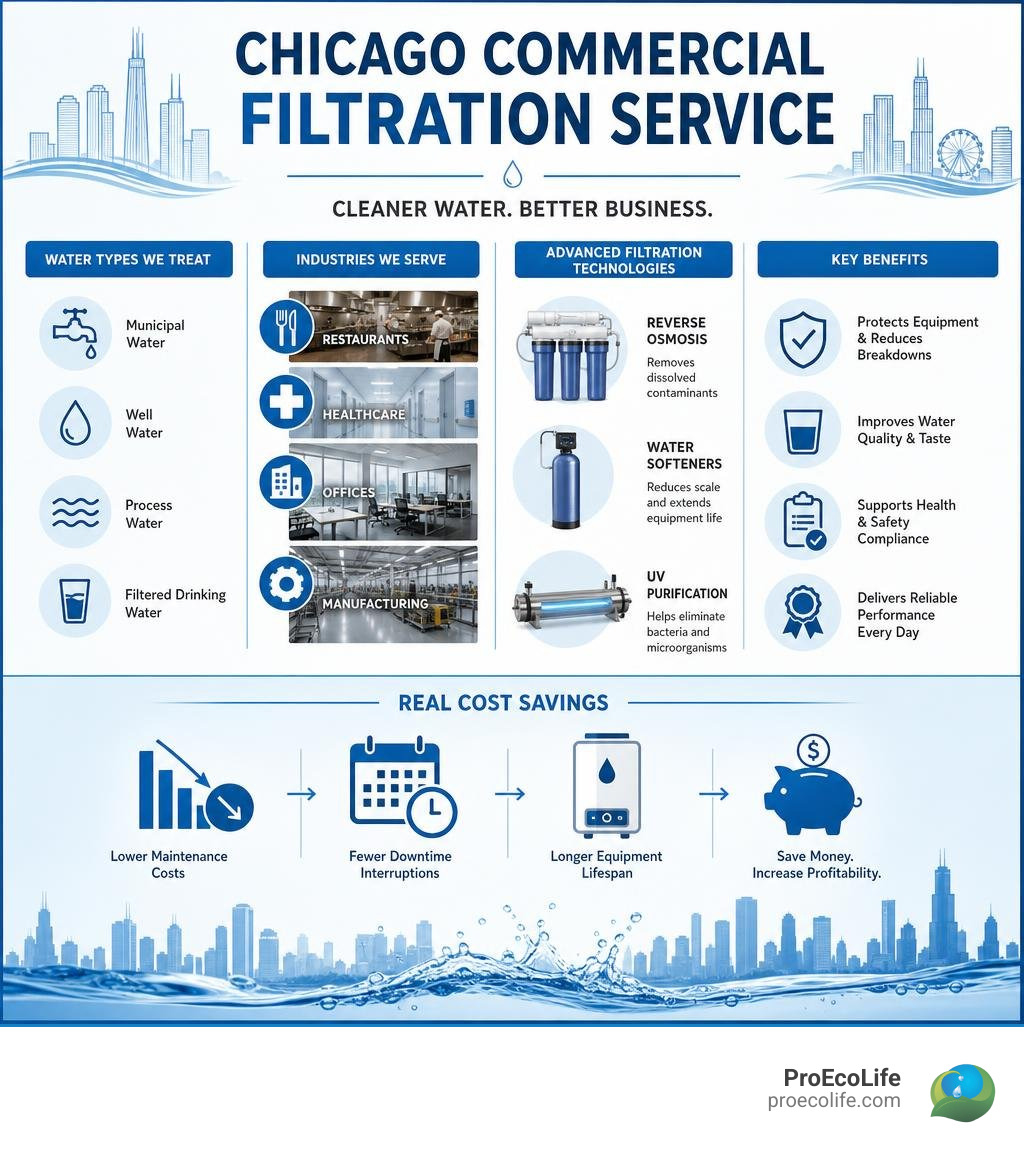
- Commercial Water Filtration: This is the foundation of operational health for many businesses. It includes water softening, carbon filtration, and high-capacity reverse osmosis systems to protect boilers, commercial dishwashers, and food service equipment from scale, chlorine, and heavy metals.
- Commercial Air Filtration (HVAC): Maintaining clean indoor air quality is vital for commercial, industrial, and retail properties. High-efficiency HVAC filters protect sensitive inventory, keep employees healthy, and reduce energy costs. Organizations like Air Filter Engineers provide specialized air filtration expertise to help building engineers optimize their indoor air quality.
- Grease Filter Exchange Programs: For commercial kitchens, managing grease is a matter of safety and compliance. Regular grease filter cleaning prevents fire hazards in exhaust hoods and keeps restaurants compliant with local environmental regulations.
Why Your Business Needs a Chicago Commercial Filtration Service for Water
While Lake Michigan is an incredible natural resource, the water delivered to your facility travels through miles of aging municipal water mains. Along the way, it picks up sediment, rust, and trace contaminants. Furthermore, municipal water is heavily treated with chlorine to kill bacteria, which leaves behind a harsh taste and chemical odor that can ruin food, beverages, and sensitive manufacturing processes.
Installing advanced commercial water filtration systems is the only way to establish a reliable barrier between Chicago’s aging infrastructure and your business. By removing sediment, chlorine, and lead at the point of entry, you protect your plumbing, safeguard your customers, and ensure that your water is as pure as possible.
Tailored Water Solutions for Different Commercial Industries
Every industry has unique water quality and flow rate demands. A custom-designed filtration system ensures that your business receives the exact level of purification required:
- Food Service & Restaurants: Water is a primary ingredient in ice, coffee, fountain drinks, and steamed dishes. Proper filtration removes bad tastes and odors, prevents cloudy ice cubes, and protects expensive espresso machines and steam tables from scale buildup.
- Office Buildings: Providing clean, great-tasting drinking water improves employee satisfaction and eliminates the need for expensive, environmentally unfriendly bottled water delivery services.
- Medical Clinics & Laboratories: Healthcare facilities require high-purity water that meets strict medical compliance standards. Specialized systems remove microscopic pathogens, minerals, and chemical residues to protect sensitive laboratory equipment and patient health.
Need Clean, Safe Water at Home?
Get a free water test at your home or business. We install and service whole-house filtration and PEL75 reverse osmosis systems across Chicagoland. We also take select projects in Wisconsin and Indiana.
Book a Free Water TestCall (312) 889-8888Key Contaminants in Chicago’s Water Supply Requiring Commercial Treatment

To choose the right filtration system, you must first understand what is actually in your water. Conducting a professional water analysis through a reliable water testing service in chicago for your home or business is the first step in identifying the specific contaminants threatening your facility.
Lead Contamination and Aging Infrastructure
One of the most pressing environmental challenges in Chicago is the prevalence of lead service lines. Because Chicago municipal codes required the use of lead pipes until 1986, the city still contains hundreds of thousands of lead service lines.
As these pipes age, lead can leach into the water supply, posing severe health risks to employees, students, and customers. This is particularly critical for schools, daycare centers, and commercial buildings in older parts of the city. A robust commercial filtration system is essential to capture lead before it reaches a drinking fountain or kitchen tap.
Hard Water Challenges in the Northwest Suburbs
While the city of Chicago relies on Lake Michigan, many surrounding suburbs — including Park Ridge, Niles, Des Plaines, Skokie, Glenview, Arlington Heights, and Morton Grove — experience varying degrees of water hardness. Hard water contains high concentrations of calcium and magnesium.
When heated in commercial boilers, dishwashers, and water heaters, these minerals precipitate out of the water, forming a rock-hard scale. Over time, this scale insulates heating elements, clogs pipes, and causes premature equipment failure. Protecting your facility requires an expert water softener installation in chicago protect your plumbing to neutralize these minerals before they can cause costly damage.
Comparing Commercial Water Treatment Technologies
Different water challenges require different technological solutions. The table below outlines how the three most common commercial water treatment methods compare:
| Technology | Primary Function | Best For | Maintenance Needs |
|---|---|---|---|
| Reverse Osmosis (RO) | Removes 99% of all dissolved solids, heavy metals, and lead | Restaurants, coffee shops, laboratories, ingredient water | Regular pre-filter and membrane replacements |
| Water Softeners | Removes calcium and magnesium through ion exchange | Boilers, commercial dishwashers, laundry facilities | Regular salt replenishment and valve checks |
| UV Purification | Destroys bacteria, viruses, and pathogens without chemicals | Healthcare, food processing, well water systems | Annual UV lamp replacement |
To help visualize how these systems integrate into a commercial property, consider the typical flow of water through a multi-stage commercial treatment setup:
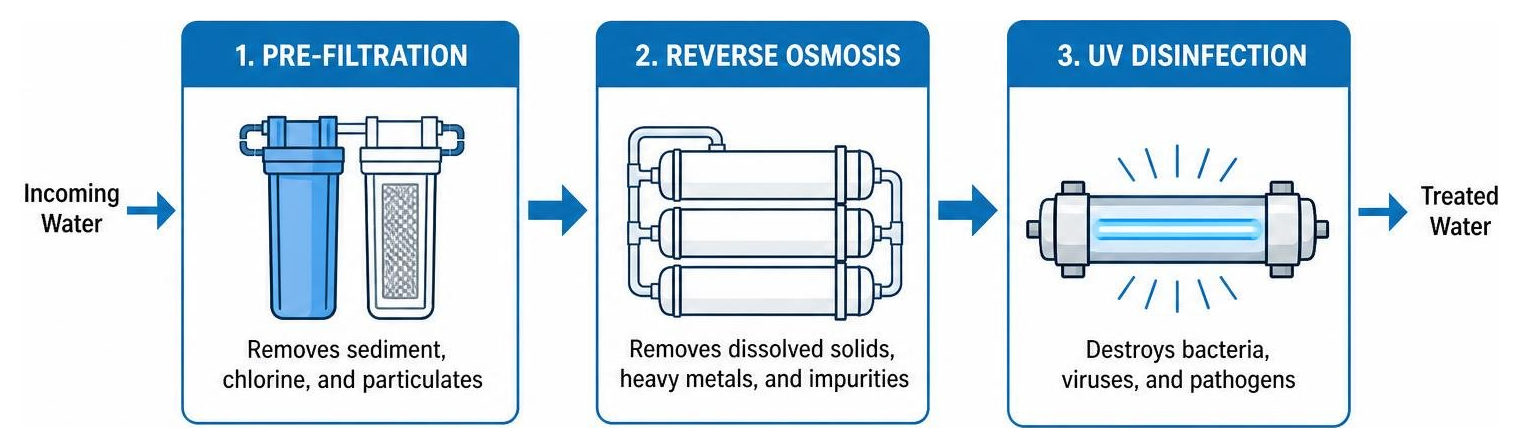
If you are looking to achieve the absolute highest level of water purity for drinking, brewing, or laboratory use, exploring the top reverse osmosis system options in chicago for pure water is highly recommended.
Reverse Osmosis Systems for High-Purity Needs
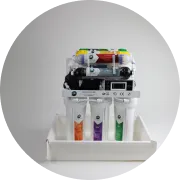
For businesses that cannot compromise on water quality, commercial-grade reverse osmosis is the gold standard. Systems like our PEL75 9-Stage RO System utilize semi-permeable membranes to filter out microscopic impurities that standard carbon filters miss, including heavy metals, dissolved solids, and microplastics. This technology ensures that your food, beverages, and industrial processes are backed by incredibly pure water.
Water Softening and Well Water Conditioning
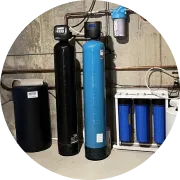
In commercial facilities where high-volume heating and washing take place — such as hotels, commercial laundries, and large offices — water softening is an absolute necessity. By swapping hardness ions for sodium ions, water softeners prevent scale buildup, reduce the amount of detergent needed for cleaning, and extend the lifespan of water-using appliances.
For facilities in areas like Arlington Heights and Morton Grove that utilize groundwater, specialized Well Water Conditioning systems are also available to target iron, sulfur, and bacterial concerns.
Need Clean, Safe Water at Home?
Get a free water test at your home or business. We install and service whole-house filtration and PEL75 reverse osmosis systems across Chicagoland. We also take select projects in Wisconsin and Indiana.
Book a Free Water TestCall (312) 889-8888How to Evaluate a Chicago Commercial Filtration Service Provider
Choosing the right commercial filtration provider is just as important as choosing the right equipment. To ensure you receive reliable support, look for a partner that offers comprehensive commercial solutions tailored to your specific operational goals.
Local Expertise and Service Area Coverage
A great service provider must understand the unique water chemistry of the Chicagoland area. They should have a deep familiarity with both the Lake Michigan water source and the groundwater systems used in the suburbs.
Ensure your provider has a robust presence in your neighborhood, whether you are located on Chicago’s Northwest Side (such as Norwood Park, Edison Park, or Jefferson Park) or in nearby suburbs like Skokie, Glenview, Des Plaines, or Niles. Checking a provider’s official service area ensures they can dispatch technicians quickly in the event of an urgent maintenance need.
Custom System Design and Maintenance Schedules
Avoid providers that offer one-size-fits-all, out-of-the-box filtration units. A professional commercial filtration company will:
- Perform a thorough water quality analysis at your facility.
- Assess your peak water flow rate and daily usage demands.
- Design a customized system that integrates seamlessly with your plumbing.
- Establish a proactive, scheduled filter change-out program to guarantee ongoing water quality and prevent restricted water flow.
The Operational and Financial Benefits of Scheduled Filter Maintenance
Investing in a commercial filtration system is only the first step; maintaining it is what secures your return on investment. Working with a professional service to handle your expert water filter installation services in chicago and ongoing maintenance yields significant financial and operational advantages.
Maximizing Equipment Lifespan and Energy Efficiency
Scale buildup is an energy killer. Just a thin layer of scale on a boiler heating element can increase your energy consumption by up to 10% to 12%. By utilizing water softeners and pre-filtration systems, you keep your heating elements clean, allowing them to transfer heat efficiently.
Furthermore, clean water prevents clogged intake valves and drain lines in commercial dishwashers and ice machines, preventing costly emergency repair calls and extending the lifespan of your expensive appliances.
Ensuring Regulatory Compliance with a Chicago Commercial Filtration Service
For many industries, clean water and air are not just preferences — they are legal requirements.
- Food Service: Restaurants must meet strict sanitation and health department codes. Clean water is essential for proper dish sanitization and food preparation.
- Healthcare & Laboratories: Medical facilities must comply with rigorous standards like ASHRAE Standard 170 to ensure sterile environments.
- Kitchen Safety: Regular exhaust maintenance is required to prevent fire hazards. Specialized B2B services, such as Grease Filter Cleaning Services | Chicago, IL | FilterShine, help commercial kitchens maintain EPA compliance and fire safety standards.
- Air Quality: To maintain clean indoor air in offices and clinical spaces, wholesale HVAC suppliers like Wholesale HVAC Filters Chicago, IL | ACS provide high-efficiency filters that keep buildings in compliance with modern ventilation standards.
Frequently Asked Questions About Commercial Filtration
How often should commercial water filters be replaced?
The replacement frequency depends on your facility’s daily water usage, incoming sediment levels, and the specific type of filtration technology you use. Generally, sediment and carbon pre-filters should be replaced every 3 to 6 months, while high-capacity reverse osmosis membranes can last between 1 and 3 years with proper pre-treatment. Monitoring your system for a drop in water pressure or changes in water taste is a key indicator that a filter change is overdue.
What is the difference between commercial and residential filtration?
Commercial filtration systems are engineered to handle significantly higher flow rates and larger daily water volumes than residential units. They feature heavy-duty, industrial-grade components, larger filter housings, and advanced control valves designed to prevent pressure drops during peak business hours. Commercial systems are also highly customized to meet specific industrial, medical, or culinary water chemistry standards.
How does hard water affect commercial kitchen equipment?
Hard water minerals precipitate out of water when heated, leaving behind stubborn calcium scale. This scale insulates heating elements in dishwashers, steam tables, and espresso machines, forcing them to work harder and consume more energy. Over time, scale clogs water lines, ruins internal seals, and leads to frequent equipment breakdowns, high maintenance costs, and premature appliance replacement.
Conclusion
At ProEcoLife, we have been proud of our deep Chicago roots since our founding in 2014 by Karol Dolega. We understand the unique challenges of Chicagoland water — from the lead service lines in older city neighborhoods to the high mineral content in the Northwest suburbs.
Whether your business requires a high-performance PEL75 9-Stage RO System, a comprehensive Whole House Filtration setup, or a robust Commercial Water Filtration System, we are dedicated to helping you protect your equipment, your staff, and your customers. Explore our custom solutions and learn more about our local work by visiting our guide on the chicago water filter system.
Ready to protect your business with pure, high-quality water? Contact ProEcoLife today to schedule a professional water test at (312) 889-8888 or visit us at proecolife.com.