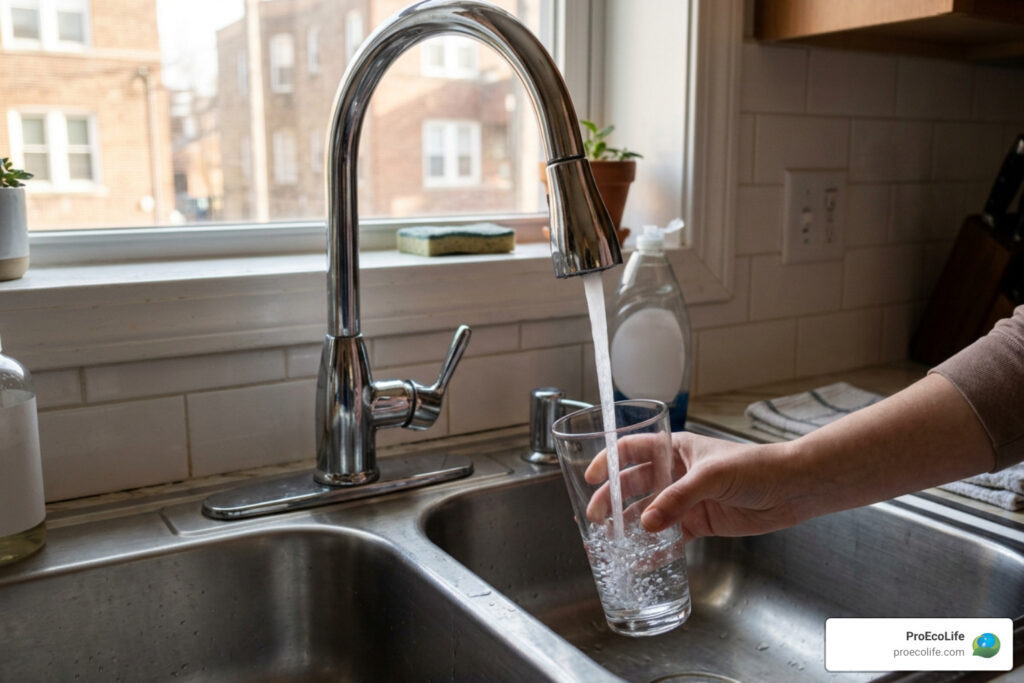
Living in Chicago means dealing with hard water. It’s a common issue that can really mess with your plumbing and appliances over time. You might notice spots on your dishes, feel like your skin is dry after a shower, or see scale buildup on faucets. This article is all about how getting a water softener installed in Chicago can help protect your home’s pipes and fixtures. We’ll cover why it’s important, what to look for, and how the process works.
Key Takeaways
- Hard water in Chicago can cause scale buildup, damage appliances, and affect water quality.
- Professional water softener installation Chicago protects your plumbing and appliances from hard water damage.
- Choosing the right water softener involves testing your water and sizing the unit correctly.
- The installation process includes testing, expert placement, and system calibration for best results.
- Regular maintenance and choosing local experts for water softener installation Chicago are vital for long-term performance.
Understanding Chicago’s Water Hardness
Chicago’s water is known for being especially hard. While the city’s water meets public health standards, it naturally contains high levels of calcium and magnesium from Lake Michigan. Over time, these minerals can have some real effects on households and plumbing.
The impact of hard water on your home
Hard water can quietly wear down your home’s plumbing and appliances. Mineral deposits—also called scale—build up inside pipes, water heaters, dishwashers, and washing machines, cutting their lifespan and efficiency. Soap and detergent don’t lather or rinse properly, so you find yourself using more. Towels and clothes feel scratchy, dishes get spots, and fixtures start to look cloudy.
A quick look at how hard water might affect different parts of the home:
| Home Feature | How Hard Water Affects It |
|---|---|
| Pipes & Plumbing | Mineral scale, lower flow |
| Water Heaters | Lower efficiency, more repairs |
| Appliances | Shorter lifespan, cloudy residue |
| Laundry | Dingy color, stiff feel |
| Showers & Faucets | White spots, dull finish |
Identifying signs of hard water in Chicago
If you’re wondering whether hard water is a problem, some signals are easy to spot:
- White spots or chalky deposits on glasses, dishes, or faucets
- Soap scum left behind after cleaning or bathing
- Skin feeling dry or itchy, and hair turning a bit dull
- Water heater working less efficiently or taking longer to heat
- Clothes not feeling clean, or towels getting rough
Why water softener installation Chicago is essential
Living with hard water is tiresome—and it gets expensive. Fixing scale buildup, replacing worn-out appliances, and constantly buying detergent adds up. Having a professional installation and consultation for a water softener can save money and stop a lot of headaches. It’s about making sure every tap delivers water that’s gentle on your plumbing and your daily routine.
For Chicago homeowners, keeping plumbing in good condition and appliances running smoothly starts with treating hard water at the source. The right water softener makes all the difference in comfort and costs over time.
Benefits of Professional Water Softener Installation
Protecting Your Plumbing and Appliances
Hard water, common in Chicago, is loaded with minerals like calcium and magnesium. When this water flows through your pipes and into your appliances, these minerals leave behind deposits. Over time, this buildup, known as scale, can really mess with your home’s water system. It narrows pipes, making water flow weaker, and forces water heaters and dishwashers to work harder, using more energy. This can lead to costly repairs or even premature replacement of these items.
- Reduced Scale Buildup: Softened water prevents the mineral deposits that cause scale in pipes and fixtures.
- Extended Appliance Lifespan: Appliances like water heaters, washing machines, and dishwashers last longer when not subjected to hard water.
- Improved Water Flow: Pipes remain clear, allowing for consistent water pressure throughout your home.
- Lower Energy Bills: Appliances don’t have to work as hard to heat water or run cycles, saving energy.
Improving Water Quality for Daily Use
Beyond protecting your pipes, a water softener makes a noticeable difference in your everyday life. You’ll find that dishes come out of the dishwasher without those annoying white spots, and laundry feels softer and looks brighter because detergents work more effectively. Even cooking and drinking water can taste better without the mineral taste that hard water sometimes imparts. It’s a simple change that impacts many daily tasks.
Enhancing Skin and Hair Health
If you’ve ever felt like your skin is dry or your hair is dull and brittle after showering, hard water might be the culprit. The minerals in hard water can leave a residue on your skin and hair, making it difficult to rinse off soap and shampoo completely. This can lead to dryness, irritation, and hair that feels rough. Soft water rinses cleaner, leaving your skin feeling smoother and your hair looking shinier and more manageable. It’s like giving your personal care routine a spa-like upgrade right at home. A professional installation ensures the system is correctly set up to provide these benefits consistently. Learn about water purification systems that can further improve your water quality.
Need Clean, Safe Water at Home?
Get a free water test at your home or business. We install and service whole-house filtration and PEL75 reverse osmosis systems across Chicagoland. We also take select projects in Wisconsin and Indiana.
Book a Free Water TestCall (312) 889-8888Choosing the Right Water Softener for Your Chicago Home
So, you’ve decided to tackle Chicago’s hard water problem head-on. That’s a smart move. But with all the options out there, picking the right water softener can feel a bit overwhelming. It’s not just about buying the first one you see; it’s about finding a system that actually fits your home and your water’s specific needs. Let’s break down how to make that choice.
Assessing Your Home’s Water Hardness Levels
Before you even start looking at models, you need to know just how hard your water is. Chicago’s water can vary quite a bit depending on your neighborhood. The best way to find out is to get a professional water test. This isn’t just a quick guess; it gives you a precise measurement, usually in grains per gallon (GPG). Knowing this number is key because it directly impacts the size and type of softener you’ll need. Too small, and it won’t keep up. Too big, and you’re just wasting money and salt.
Here’s a general idea of what those numbers mean:
| Water Hardness (GPG) | Description |
|---|---|
| 0-3.5 | Soft |
| 3.6-7.0 | Moderately Hard |
| 7.1-10.5 | Hard |
| 10.6+ | Very Hard |
Most of Chicago falls into the ‘Hard’ to ‘Very Hard’ category, so you’re likely looking at a system designed to handle a significant mineral load.
Understanding Different Types of Water Softeners
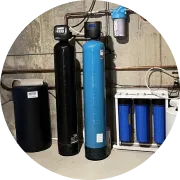
When it comes to softening water, there are a few main approaches. The most common type you’ll find for homes is the ion-exchange water softener. This is the classic salt-based system. It works by using resin beads that attract and hold onto the hard minerals (like calcium and magnesium) in your water. When the beads get full, the system flushes them with a brine solution (saltwater) to wash away the minerals and regenerate the beads. These are generally very effective for tackling hard water.
There are also salt-free
The Water Softener Installation Process in Chicago
Pre-installation Water Testing and Consultation
Before we even think about putting a water softener in your home, we need to know exactly what we’re dealing with. That’s where the initial water testing and consultation come in. It’s not just a quick look; we want a real picture of your water’s makeup. This means testing for hardness levels, but also checking for other common issues in Chicago water, like chlorine or even lead, especially if you have an older home.
During the consultation, we’ll chat with you about what you’ve noticed with your water – maybe it’s the soap not lathering, or those annoying spots on your dishes. We’ll explain the test results in plain language, so you know exactly what’s going on. This step is super important because it helps us figure out the best type and size of water softener that will actually work for your specific needs and Chicago’s water conditions. This personalized approach means you won’t end up with a system that’s overkill or, worse, not effective enough.
Expert System Placement and Connection
Once we’ve got the plan, it’s time for the actual installation. Where we put the softener matters. We look for a spot that’s easily accessible for maintenance, usually near your main water line where it enters the house. Think basements, utility rooms, or garages. We need to make sure there’s enough space for the unit itself and for any future salt refills or servicing.
Our certified technicians will then carefully connect the softener to your home’s plumbing. This involves cutting into the main water line and installing bypass valves. These valves are handy because they let us isolate the softener for maintenance without shutting off water to your whole house. We pay close attention to every connection, making sure everything is sealed tight to prevent leaks. It’s all about getting it right the first time.
System Calibration and Performance Testing
After the physical installation is complete, the job isn’t quite done. We need to make sure the system is set up correctly for your home’s specific water hardness and your family’s water usage. This is where calibration comes in. We’ll program the softener’s control head with the right settings, like the water hardness level we found in our tests and your estimated daily water consumption. This tells the system when to regenerate, which is its cleaning cycle, so it doesn’t waste salt or water.
Finally, we run a performance test. This usually involves checking the water pressure and flow rate after installation and sometimes doing a quick post-installation water test to confirm the hardness has been reduced effectively. We’ll also walk you through how the system works, show you how to add salt, and answer any questions you might have. Our goal is to leave you with a fully functional system and the knowledge to keep it running smoothly.
Need Clean, Safe Water at Home?
Get a free water test at your home or business. We install and service whole-house filtration and PEL75 reverse osmosis systems across Chicagoland. We also take select projects in Wisconsin and Indiana.
Book a Free Water TestCall (312) 889-8888Maintaining Your Water Softener System
So, you’ve got a shiny new water softener installed in your Chicago home. That’s great! It’s going to make a big difference in your daily life. But like any appliance, it needs a little attention to keep running smoothly. Think of it like taking care of your car; regular check-ups mean it lasts longer and performs better.
Regular System Checks and Salt Refills
One of the most straightforward maintenance tasks is keeping an eye on the salt levels. Your water softener uses salt to remove those pesky hardness minerals. When the salt gets low, the system can’t do its job effectively. Most modern softeners have indicators, but it’s good practice to visually check the brine tank every month or so. You don’t want it to run completely dry.
Here’s a quick rundown:
- Check Salt Level: Look into the brine tank. If the salt level is below the water line, it’s time to add more.
- Add Salt: Use only water softener salt (pellets or crystals are common). Avoid rock salt, as it can leave a lot of residue. Fill the tank, but don’t pack it down. Leave some space at the top.
- Inspect for Bridging: Sometimes, salt can form a hard crust or ‘bridge’ above the water level. If you see this, gently break it up with a broom handle or similar tool. This prevents the salt from dissolving properly.
- Check for Buildup: Over time, sediment can build up at the bottom of the brine tank. While not a frequent issue, it’s good to be aware of.
Understanding Regeneration Cycles
Your water softener doesn’t soften water constantly. It has a regeneration cycle, which is basically a self-cleaning process where it flushes out the collected hardness minerals and replenishes the resin beads with salt. This usually happens automatically, often at night when you’re not using much water.
Most systems are set to regenerate based on water usage or a timer. You can usually adjust the frequency of these cycles. If you notice your water isn’t as soft as it used to be, or if your system seems to be regenerating too often (which wastes salt and water), it might be time to check the settings.
The regeneration process is vital for the longevity and efficiency of your water softener. It’s a controlled flush that keeps the system working correctly, but understanding when and why it happens can help you troubleshoot minor issues and optimize performance.
When to Schedule Professional Maintenance
While you can handle the salt refills and basic checks yourself, some things are best left to the pros. If you notice any of these signs, it’s a good idea to call a professional for a check-up:
- Persistent Hard Water: If you’ve refilled the salt and are still experiencing hard water symptoms (like soap scum or dry skin), there might be a deeper issue.
- Unusual Noises: Any strange sounds coming from the unit could indicate a problem with the motor or valves.
- Water Leaks: Leaks are never good. They can cause water damage and indicate a faulty seal or connection.
- System Not Regenerating: If the system isn’t going through its cycle, it won’t soften water. This could be a control valve issue.
- High Water or Salt Bills: If you notice a sudden spike in your water or salt usage, it might signal an inefficiency or malfunction in the system.
Regular professional check-ups, perhaps once a year or every couple of years, can catch small problems before they become big, expensive ones. It’s like getting an oil change for your car – it just keeps things running right. For reliable service and maintenance in Chicago, consider reaching out to local experts who understand the specific water conditions in the area. Local water softener experts can provide tailored advice and service to keep your system in top shape.
Why Choose Local Experts for Water Softener Installation Chicago
When it comes to something as important as your home’s plumbing and water quality, you want to make sure the job is done right. That’s where local experts come in. They understand the specific challenges Chicago water presents, and they’re right here in your community to help.
Local Knowledge of Chicago Water Conditions
Chicago’s water supply, while treated, has its own unique characteristics. It’s known for being hard, meaning it has a high mineral content. This isn’t just a minor inconvenience; it can lead to scale buildup in pipes, reduced efficiency of water-using appliances, and even damage to your plumbing over time. Local installation companies have dealt with these exact issues day in and day out. They know the typical hardness levels in different Chicago neighborhoods and can recommend the most effective solutions tailored to our local water.
Certified and Experienced Installation Technicians
Proper water softener installation isn’t a DIY job. It involves understanding plumbing systems, electrical connections (for some models), and the specific requirements of the softener itself. Local experts employ certified technicians who have the training and experience to handle these complexities. They know how to properly connect the system to your main water line, ensure it’s correctly sized for your household’s water usage, and calibrate it for optimal performance. This attention to detail prevents leaks, ensures the system works as intended, and extends its lifespan.
Comprehensive Service and Support
Choosing a local team means you have a resource right in your backyard for ongoing support. Beyond the initial installation, these companies often provide:
- Water Testing: They can perform detailed tests to confirm your water hardness and identify any other specific contaminants before recommending a system.
- System Sizing: They’ll help you choose a softener that’s the right size for your home, preventing under- or over-treatment and saving you money on salt and water.
- Maintenance and Repairs: If your system ever needs servicing or repairs, a local company can respond quickly, minimizing downtime and inconvenience.
- Salt Delivery: Many offer convenient salt delivery services, taking another chore off your plate.
Opting for local professionals means you’re not just buying a product; you’re investing in a service that understands your local environment and is committed to your long-term satisfaction. They are invested in the community and are readily available to address any concerns you might have.
When you partner with a local Chicago water softener installation service, you gain the peace of mind that comes from knowing your home’s plumbing is protected by knowledgeable, skilled professionals who are part of your community.
Looking for a water softener in Chicago? Choosing local experts means you get service from people who know the area and understand your needs. They can help you find the perfect system for your home. Ready to enjoy softer water? Visit our website today to learn more and get a free quote!
A Final Thought on Protecting Your Chicago Home
So, we’ve talked a lot about why hard water is a pain and how a water softener can really help out your plumbing and appliances. It’s not just about making your dishes look better, though that’s nice too. It’s about saving money in the long run by preventing damage and keeping things running smoothly. If you’re in Chicago and dealing with the effects of hard water, getting a professional to install a water softener is a smart move. It’s an investment that pays off by protecting your home’s pipes and keeping your water soft and easy to manage. Don’t wait for problems to pop up; take care of it now.
Frequently Asked Questions
What is hard water, and why is it common in Chicago?
Hard water means your water has a lot of minerals, mainly calcium and magnesium. In Chicago, the water often travels through old pipes and picks up these minerals along the way, making hard water a common problem in homes.
How do I know if I have hard water in my home?
You might notice white spots on dishes, soap that doesn’t lather well, or your skin and hair feeling dry after a shower. Hard water can also cause a chalky buildup on faucets and inside appliances like your dishwasher or washing machine.
Why should I get a professional to install a water softener?
A professional makes sure your water softener is set up correctly and safely. They will test your water, choose the right spot, connect everything, and make sure it works perfectly. This helps your system last longer and work better.
How often does my water softener need maintenance?
Most water softeners need to be checked every few months. You’ll need to refill the salt when it gets low and sometimes clean or replace filters. A yearly check-up by a pro can help catch any problems early.
Can a water softener help with lead or other contaminants in Chicago water?
A water softener mainly removes hard minerals like calcium and magnesium. To get rid of lead or other harmful stuff, you’ll need a special filter or a full water treatment system. Many Chicago homes use both for the best protection.
What are the benefits of having soft water in my house?
Soft water helps keep your pipes and appliances from getting clogged with minerals. It also makes soap and shampoo work better, so your skin and hair feel softer. Plus, your clothes and dishes come out cleaner, and your appliances last longer.