Choosing Water Purification Systems for Home Use in Chicago
The right water purification systems for home use depend on what your water test finds. For lead concerns at the drinking tap, look for an under-sink system with a verified lead-reduction claim. For water quality concerns throughout the house, consider a whole-house filter. If hardness is the problem, a softener targets the minerals that cause scale, not lead or germs.
Chicago gets its water from Lake Michigan, but aging pipes in older homes can affect what reaches the tap. In the Northwest suburbs, hard water may be a concern as well. ProEcoLife offers water testing to help you identify the issue before choosing a system.
I’m Maciej Spadlo. My perspective on water purification systems for home use comes from ProEcoLife’s work serving homes and businesses since 2014.
Primary Technologies in Water Purification Systems for Home Use

When selecting residential purification equipment, understanding how different technologies target specific contaminants is crucial. No single filter eliminates every dissolved mineral, chemical compound, and biological microbe at once. Instead, reliable treatment combines targeted mechanisms—such as physical barrier filtration, thermal purification, ultraviolet disinfection, and ion exchange—to create comprehensive home defense.
Physical barrier filtration relies on microscopic pore ratings to capture suspended solids and micro-particulates. As pore sizes decrease, filters trap progressively smaller contaminants, from visible sediment down to heavy metals and dissolved ions.
Membrane Filtration: Microfiltration, Ultrafiltration, and Nanofiltration
Membrane filtration uses semi-permeable barriers categorized by their pore sizes:
- Microfiltration (MF): Features an average pore size of about 0.1 micron (ranging from 0.05 to 5 microns). It effectively filters out protozoan parasites (such as Cryptosporidium and Giardia) and larger sediment particles, though it does not stop viruses or dissolved chemical pollutants.
- Ultrafiltration (UF): Operates with a pore size of roughly 0.01 micron (spanning 0.001 to 0.05 microns). This tighter membrane blocks parasites and most bacteria, helping reduce overall water turbidity.
- Nanofiltration (NF): Utilizes an ultra-fine pore rating of approximately 0.001 micron (ranging from 0.008 to 0.01 microns). Nanofiltration is capable of removing parasites, bacteria, and a large portion of viruses, while also reducing water hardness minerals.
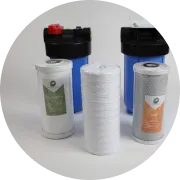
Many households choose dedicated under sink water filters to place these multi-stage physical barriers right where drinking water is dispensed.
| Membrane Technology | Typical Pore Size (Microns) | Primary Contaminants Removed | Limitations |
|---|---|---|---|
| Microfiltration | ~0.1 (0.05 – 5.0) | Protozoa, sediment, large cysts | Does not remove bacteria, viruses, or dissolved chemicals |
| Ultrafiltration | ~0.01 (0.001 – 0.05) | Bacteria, parasites, suspended solids | Ineffective against most dissolved salts and tiny chemical compounds |
| Nanofiltration | ~0.001 (0.008 – 0.01) | Viruses, bacteria, divalent ions (hardness) | Allows some monovalent salts (like sodium) to pass through |
| Reverse Osmosis | ~0.0001 | Heavy metals, dissolved ions, microbes, chemicals | Requires adequate line pressure and generates a wastewater stream |
Multi-Stage Reverse Osmosis: Advanced Water Purification Systems for Home Drinking Water
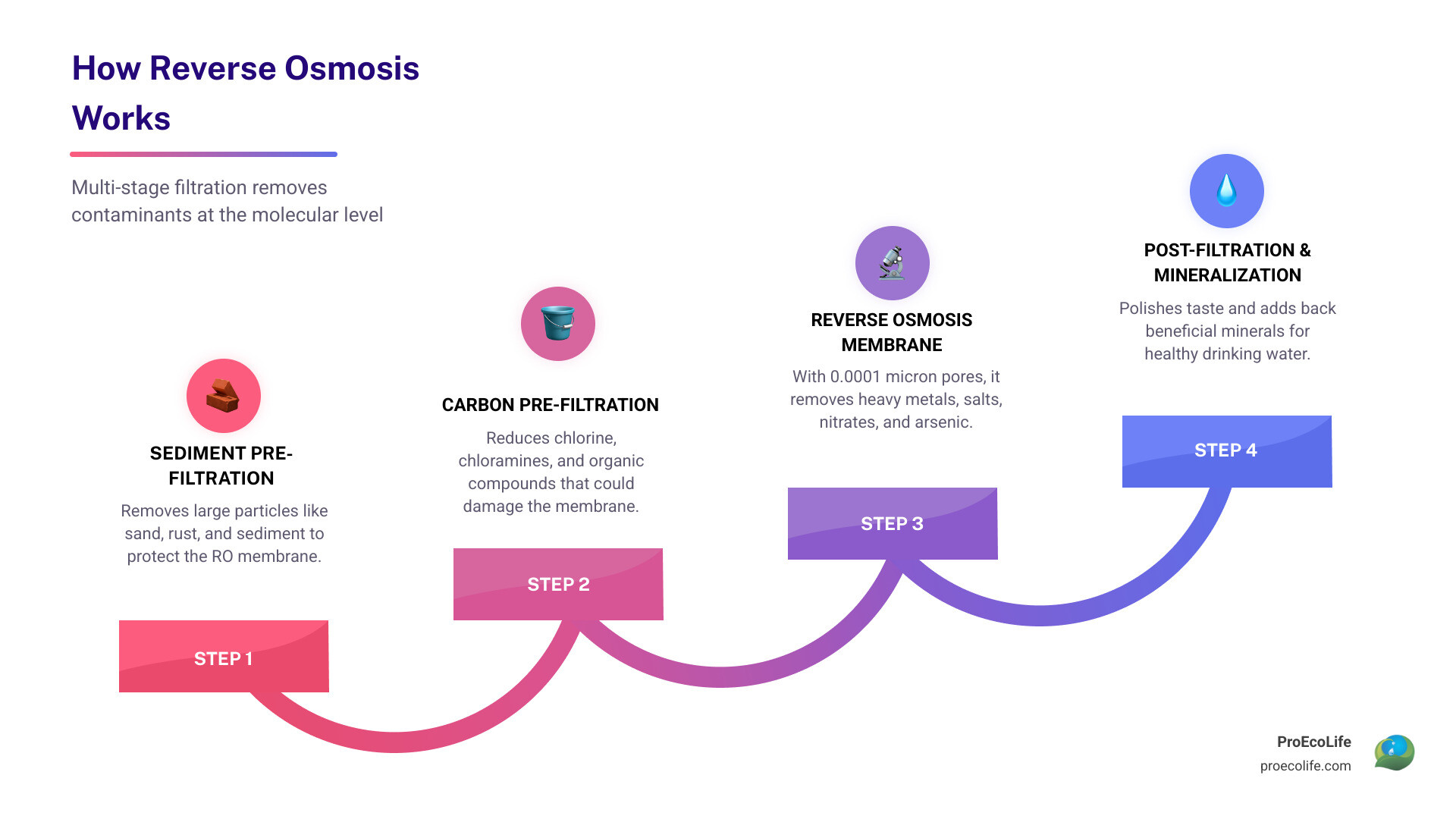
Reverse osmosis (RO) represents the gold standard in physical barrier separation. Operating at an extraordinarily tight pore size of roughly 0.0001 micron, an RO membrane separates pure water molecules from dissolved elements under line pressure.

Comprehensive RO systems address complex municipal and well water profiles by targeting:
- Heavy Metals: Efficiently reduces lead, copper, and chromium.
- Dissolved Salts & Inorganic Compounds: Lowers levels of sodium, chloride, nitrates, sulfates, and fluorides.
- Radiological & Trace Toxins: Helps mitigate arsenic, radium, and phosphorous compounds.
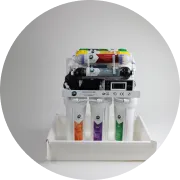
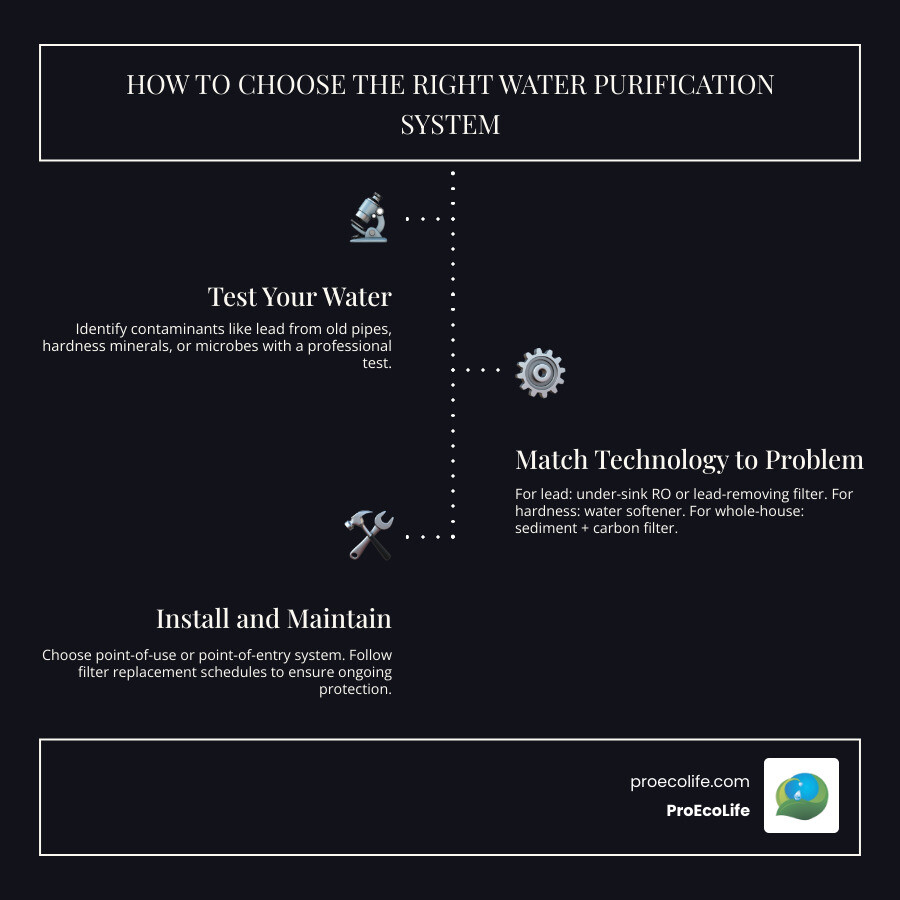
Founded in 2014 by Karol Dolega, ProEcoLife developed the PEL75 9-Stage RO System to provide layered protection for drinking water. This system uses multi-barrier pre-filtration to capture sediment and chlorine, followed by an ultra-dense membrane and mineralizing post-filters. You can explore the mechanics of multi-step processing in our guide to 9 stage reverse osmosis purification or read our in depth guide to reverse osmosis systems to determine if this level of filtration matches your household goals.
Distillation and Ultraviolet Disinfection
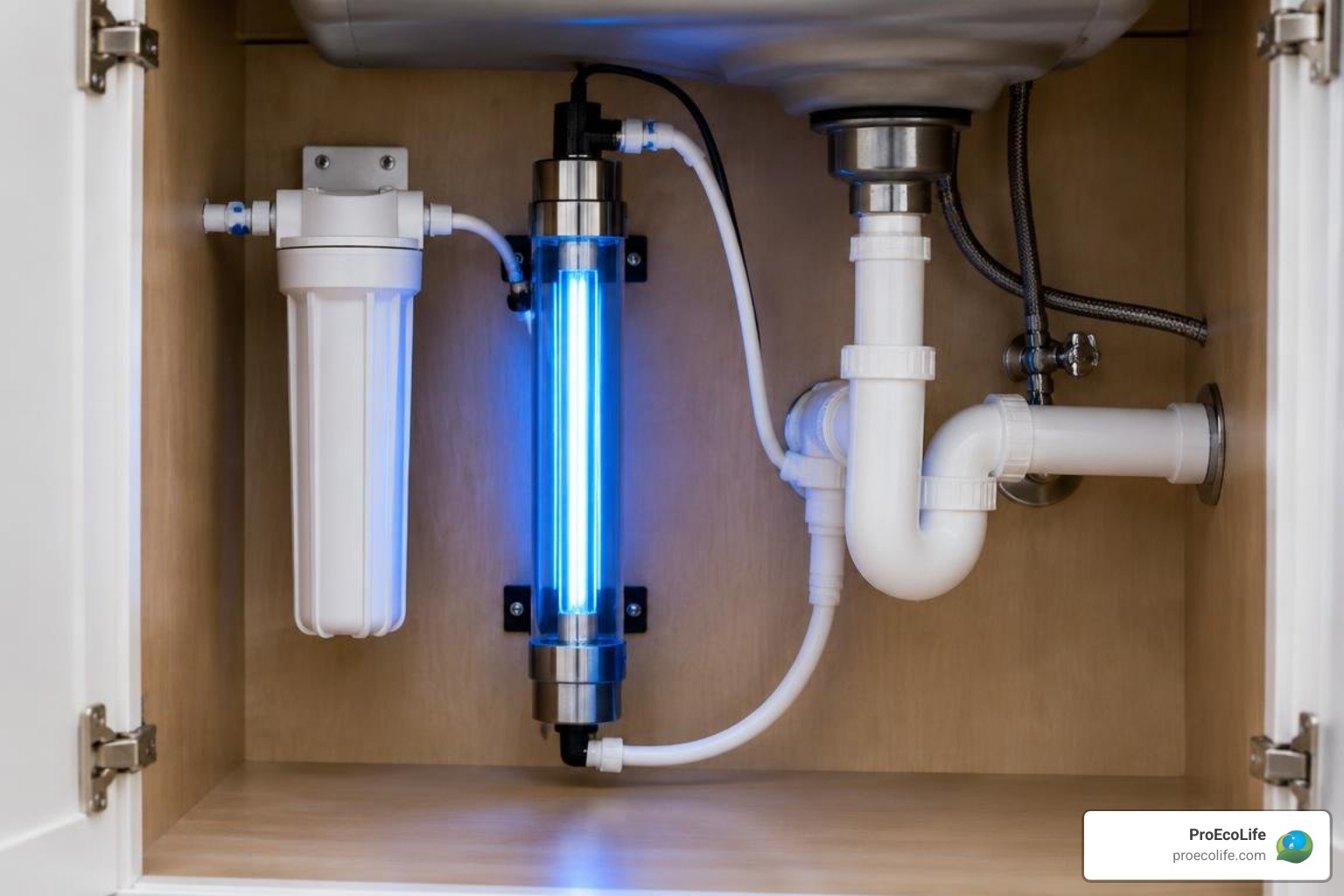
Distillation and ultraviolet (UV) treatment rely on heat and light energy rather than mechanical straining alone.
Distillation mimics the natural hydrologic cycle. The system boils source water into steam, leaving behind heavy metals, minerals, cysts, and bacteria. The vapor is then cooled in a condensation coil to produce purified liquid. While distillation successfully eliminates heavy metals like barium, cadmium, lead, and nitrates, it cannot trap volatile organic compounds (VOCs) or solvents that share a boiling point lower than water. These gases vaporize with the water and re-condense unless captured by a secondary carbon filter.
Ultraviolet treatment channels water past a specialized UV lamp emitting germicidal wavelengths. These rays penetrate the cell walls of bacteria, viruses, and parasites, neutralizing their ability to reproduce. However, UV light removes zero chemical contaminants or heavy metals.
Furthermore, UV disinfection requires sediment pre-filtration. If raw water contains high turbidity or mineral suspended solids, microscopic particles cast “shadows” that shield passing microbes from the light beam. Maintaining clear municipal standards, such as those monitored via Water Quality compliance checks in nearby suburbs, helps baseline systems perform reliably.
Ion Exchange and Water Softening
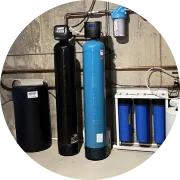
Water softeners are engineered to protect domestic plumbing rather than purify drinking water. Operating through an ion exchange bed packed with polystyrene resin beads, softeners trade calcium and magnesium ions for sodium or potassium ions.
While some specialty units may also assist in removing trace amounts of clear-water iron, manganese, or radium, standard water softeners do not remove parasites, bacteria, viruses, lead, pesticides, or chlorine. For homes experiencing mineral buildup on fixtures and appliances, an expert water softener installation in chicago protect your plumbing setup protects pipes, while a drinking water filter can be used alongside it to handle chemical and lead contaminants.
Need Clean, Safe Water at Home?
Get a free water test at your home or business. We install and service whole-house filtration and PEL75 reverse osmosis systems across Chicagoland. We also take select projects in Wisconsin and Indiana.
Book a Free Water TestCall (312) 889-8888Point-of-Use vs. Point-of-Entry System Configuration
When designing home water treatment, systems are divided into two main categories: Point-of-Use (POU) and Point-of-Entry (POE).
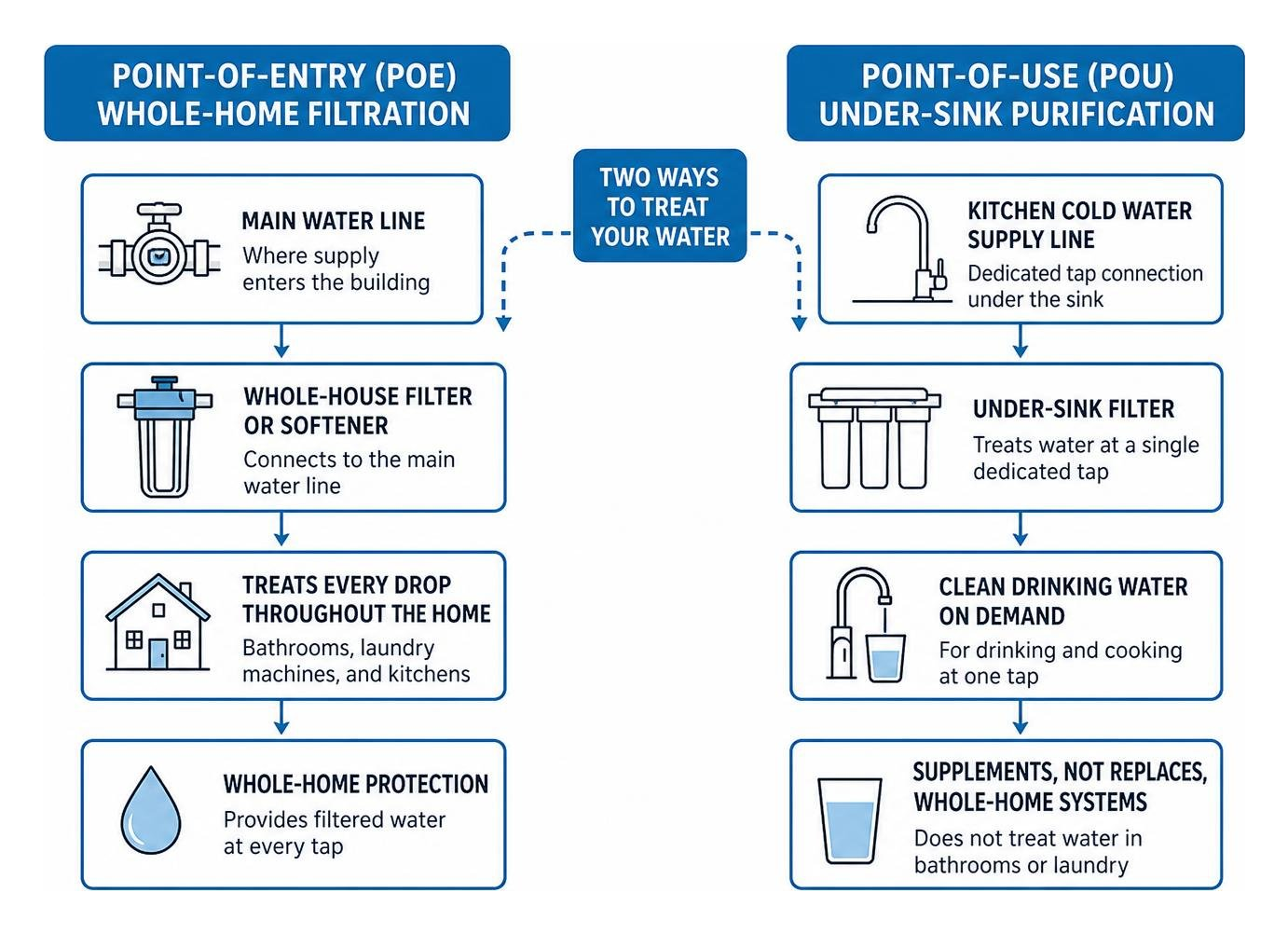
POU units, such as under-sink filters or countertop devices, treat water at a single dedicated tap. POE systems, commonly known as whole-house filters or softeners, connect directly to the main water line where supply enters the building, treating every drop flowing to bathrooms, laundry machines, and kitchens.
Point-of-Use vs. Whole-House Water Purification Systems for Home Needs
Choosing between POU and POE configurations comes down to your home’s layout, budget, and specific water quality challenges.
- Point-of-Use Applications: Ideal for targeted water consumption. Under-sink setups, like the PEL75 9-Stage RO System, maximize filtration precision to tackle dissolved lead, nitrates, and trace minerals for cooking and drinking without the high flow-rate demands of whole-house plumbing.
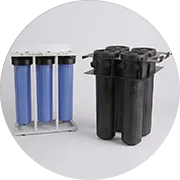
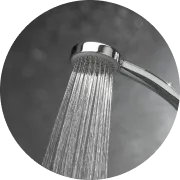
- Whole-House Applications: Whole House Filtration systems safeguard the entire residential plumbing distribution network. These POE installations minimize chlorine, chloramines, synthetic volatile chemicals, and sediment before water reaches shower heads, faucets, and laundry appliances. Using our Shower Filter System alongside main line treatments may help prevent chlorine absorption through steam and reduce dry skin.
Many property owners choose a combined approach. A POE system removes chlorine and sediment throughout the house, while a dedicated POU purifier at the kitchen sink ensures clean, great-tasting drinking water. To explore comprehensive house-wide options, check our overview of whole home water purification systems and learn how the best whole house water treatment say goodbye to chlorine and lead options improve indoor utility lines.
Need Clean, Safe Water at Home?
Get a free water test at your home or business. We install and service whole-house filtration and PEL75 reverse osmosis systems across Chicagoland. We also take select projects in Wisconsin and Indiana.
Book a Free Water TestCall (312) 889-8888How to Test Your Tap Water and Choose the Right Treatment Solution
Choosing the right equipment starts with identifying what is actually in your water supply.
Testing Tap Water and Deciphering Quality Reports
Municipal water providers issue an annual Consumer Confidence Report (CCR) outlining source metrics, disinfectant additives, and testing parameters. While these reports provide a helpful overview of utility performance, they do not reflect what happens as water travels through neighborhood distribution networks or the interior pipes of older properties.
Homes in Chicago’s Northwest Side neighborhoods—including Norwood Park, Edison Park, and Jefferson Park—often feature older plumbing configurations that require targeted heavy-metal testing. Meanwhile, households in Northwest suburbs such as Park Ridge, Niles, Des Plaines, Skokie, Glenview, Arlington Heights, and Morton Grove frequently experience fluctuating mineral hardness alongside standard city water additives.
To choose the right filter, review our detailed guide on how to choose a water filter and have your water tested directly at the tap.
Evaluating NSF Certifications and Performance Labels
Always confirm independent third-party performance ratings rather than relying solely on manufacturer marketing materials. The primary standards for home drinking water systems include:
- NSF/ANSI Standard 42 (Aesthetic Effects): Validates reductions in aesthetic chlorine, taste, odor, and particulate matter.
- NSF/ANSI Standard 53 (Health Effects): Confirms the verified reduction of specific health-related contaminants, including lead, volatile organic compounds, and cysts.
- NSF/ANSI Standard 58 (Reverse Osmosis): Evaluates total dissolved solids (TDS) reduction, recovery efficiency, and heavy metal extraction under pressure.
You can verify these standards across various styles by reading about top nsf certified countertop and pitcher filters before deciding whether a portable option or a dedicated under-sink system best matches your water quality goals.
Frequently Asked Questions About Home Water Purification
Can a water softener replace a reverse osmosis purification system?
No. Water softeners are specifically designed to swap hardness minerals (calcium and magnesium) for sodium or potassium ions to prevent pipe scaling. They do not remove lead, viruses, bacteria, cysts, pesticides, or industrial chemicals. An RO purifier is necessary to remove microscopic and dissolved chemical contaminants from drinking water.
Why is sediment pre-filtration mandatory before ultraviolet water treatment?
Ultraviolet (UV) systems require clear water to work effectively. If the water contains suspended sediment or turbidity, solid particles can block the UV light, allowing microorganisms to pass through untouched. Pre-filters capture these particles so the germicidal light can treat the water properly.
Does distillation remove volatile organic compounds and pesticides?
Standard distillation alone may not remove all volatile organic compounds (VOCs) and certain pesticides. Because many VOCs have a lower boiling point than water, they turn into vapor first and can re-condense into the finished water. To prevent this, distillation systems require secondary activated carbon filters to trap volatile gases.
Conclusion
Understanding the differences between microfiltration, reverse osmosis, ultraviolet disinfection, and ion-exchange softening ensures you invest in the right setup for your home’s water profile. Matching your treatment choices to your specific water chemistry helps keep your fixtures working efficiently and ensures your family enjoys fresh, high-quality water every day.
ProEcoLife designs custom residential solutions—including our PEL75 9-Stage RO System, Whole House Filtration, Shower Filter System, Well Water Conditioning, and Commercial Water Filtration Systems—tailored to the needs of the Chicagoland area.
To review equipment options for your property, read our guide to the chicago water filter system or reach out to our team directly.
Schedule your water test today:
Contact ProEcoLife at (312) 889-8888 or visit proecolife.com.