
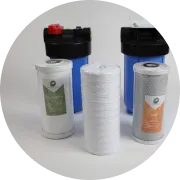
Choosing an Activated Carbon Block Filter for Chicago Water
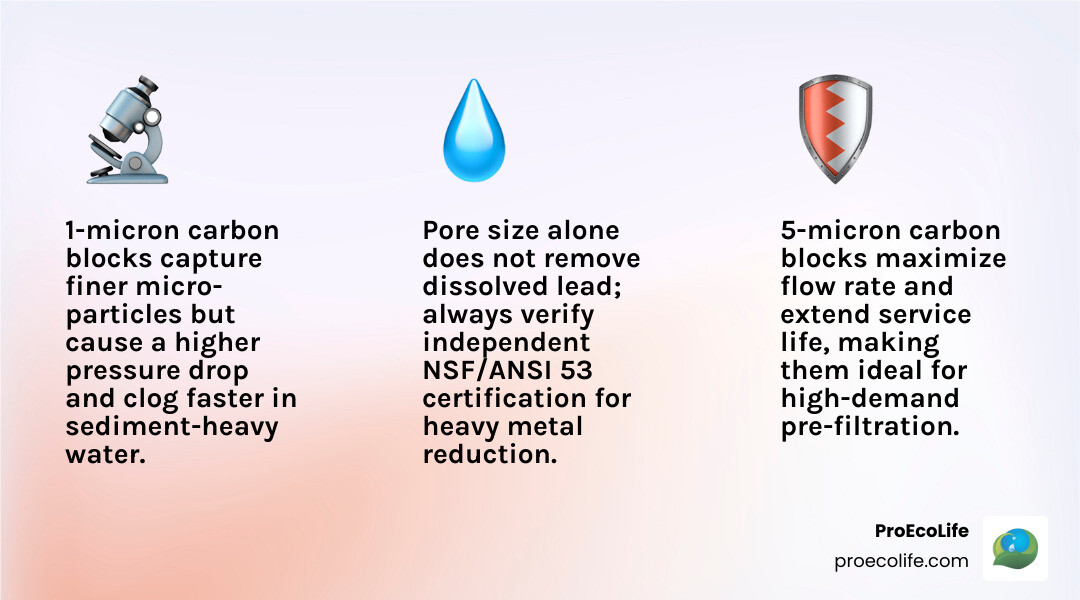
An activated carbon block filter uses tightly packed carbon to catch particles and reduce chemicals such as chlorine and some organic compounds. A 1-micron block catches finer particles than a 5-micron block, but it may clog sooner and slow the flow. Neither micron rating alone proves a filter removes lead. If lead is your concern, look for a system certified for lead reduction under NSF/ANSI 53.
Chicago’s water starts in Lake Michigan, but aging pipes in older homes can affect what reaches the tap. In the Northwest suburbs, hard water can also shape your filter choice and maintenance needs. Knowing what’s in your water matters more than choosing the smallest micron number.
I’m Maciej Spadlo of ProEcoLife, which has provided water filtration for homes and businesses since 2014. I’ll help you compare activated carbon block filter ratings and know when to check for certified lead reduction.
The global point-of-use (POU) drinking water treatment market is projected to reach approximately $53.6 billion by 2030. While reverse osmosis represents about 34.6% of this sector, carbon-based physical and chemical filtration remains the fastest-growing segment. Exploring the different types of water filters at home helps clarify why solid carbon cores remain an essential standard in modern water purification.
What Is an Activated Carbon Block Filter and How Does It Work?
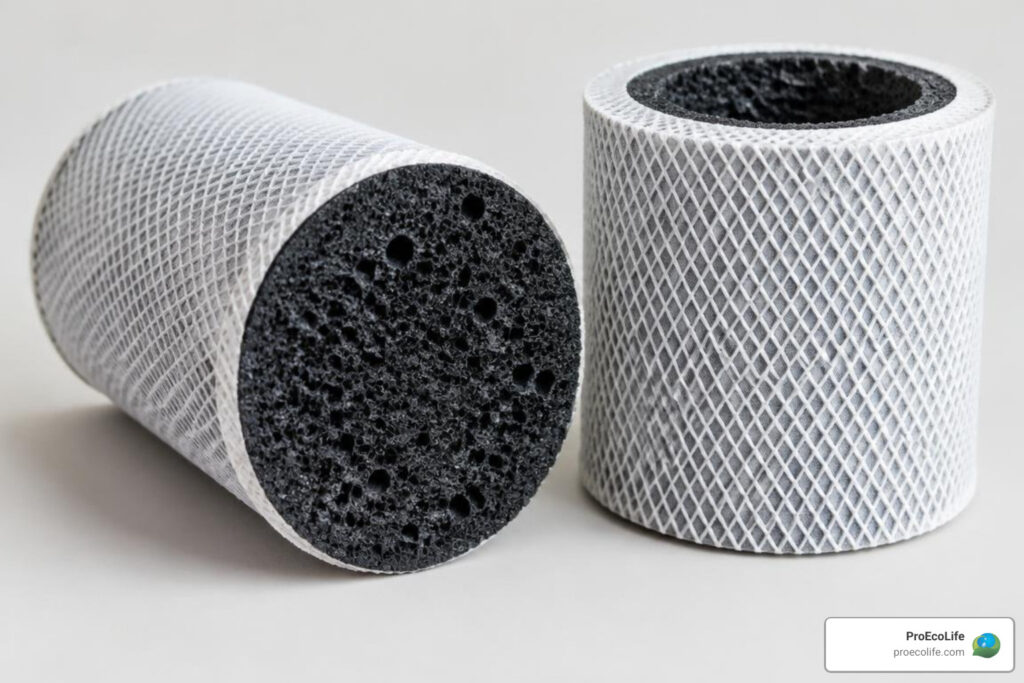
An activated carbon block (ACB) filter consists of fine carbon particles bonded into a dense, uniform cylinder. Unlike loose granular activated carbon (GAC), which can shift and allow water to bypass media, a solid block forces water through microscopic channels. Water travels radially from the outer surface inward to the central core, ensuring consistent empty bed contact time (EBCT).
Material selection strongly influences filtration capacity. High-grade coconut shell carbon provides an iodine rating near 1000, creating extensive micropores suited for small chemical molecules. By comparison, standard coal-based carbon typically yields an iodine rating around 400.
A high iodine rating expands the internal surface area, allowing the core to capture chlorine, volatile organic compounds (VOCs), and taste-altering compounds. Standard 10-inch chlorine, taste, and odor (CTO) cartridges designed with coconut carbon generally deliver consistent reduction across a wide temperature range of 4 to 52 degrees Celsius and handle operational pressures up to 100 psi.
Researchers have evaluated these dynamics using small-scale testing platforms. A peer-reviewed study on how mini-cores of activated carbon block simulate full-sized systems demonstrated that small carbon plugs accurately predict full-scale industrial adsorption patterns while reducing testing water requirements by a factor of 57.
How an Activated Carbon Block Filter Removes Organic and Inorganic Contaminants
Activated carbon blocks rely on two mechanisms: physical filtration and chemical adsorption. Physical straining traps suspended particles, rust flakes, and sediment at the surface. Inside the block, the carbon matrix adsorbs dissolved chemicals, including chlorine byproducts, trihalomethanes, and industrial solvents.
Scientific evaluations show that standard carbon blocks achieve significant chloroform breakthrough points after thousands of bed volumes. Advanced formulations also address inorganic contaminants. Impregnating carbon blocks with iron or amorphous titanium (hydr)oxides allows the media to capture dissolved arsenate through chemical binding. Furthermore, incorporating silver additives provides an antibacterial effect that helps inhibit microbial colonisation within the core.
Extrusion vs Compression Molding in Carbon Core Fabrication
Carbon blocks are manufactured using either continuous extrusion or compression molding. Both methods combine powdered activated carbon with medical-grade thermoplastic binders, such as ultra-high molecular weight polyethylene (UHMWPE).
- Extrusion Molding: The carbon and binder blend is heated and pushed continuously through a die. This produces uniform, highly consistent blocks suited for large-scale production runs.
- Compression Molding: Individual molds are filled with the mixture, compressed under high pressure, and baked. This batch method accommodates custom shapes and specialised additives, such as metal oxides for targeted inorganic capture.
Both manufacturing techniques immobilise the carbon granules, eliminating the fluid channeling and sediment bypass risks common in granular beds.
Need Clean, Safe Water at Home?
Get a free water test at your home or business. We install and service whole-house filtration and PEL75 reverse osmosis systems across Chicagoland. We also take select projects in Wisconsin and Indiana.
Book a Free Water TestCall (312) 889-88881 Micron vs 5 Micron Carbon Blocks: Key Differences and Performance
Choosing between 1 micron and 5 micron blocks involves balancing particle capture against water flow rate and service life. A 1-micron block features smaller pores that capture finer particulates, while a 5-micron block allows higher flow rates and exhibits a greater tolerance for sediment.
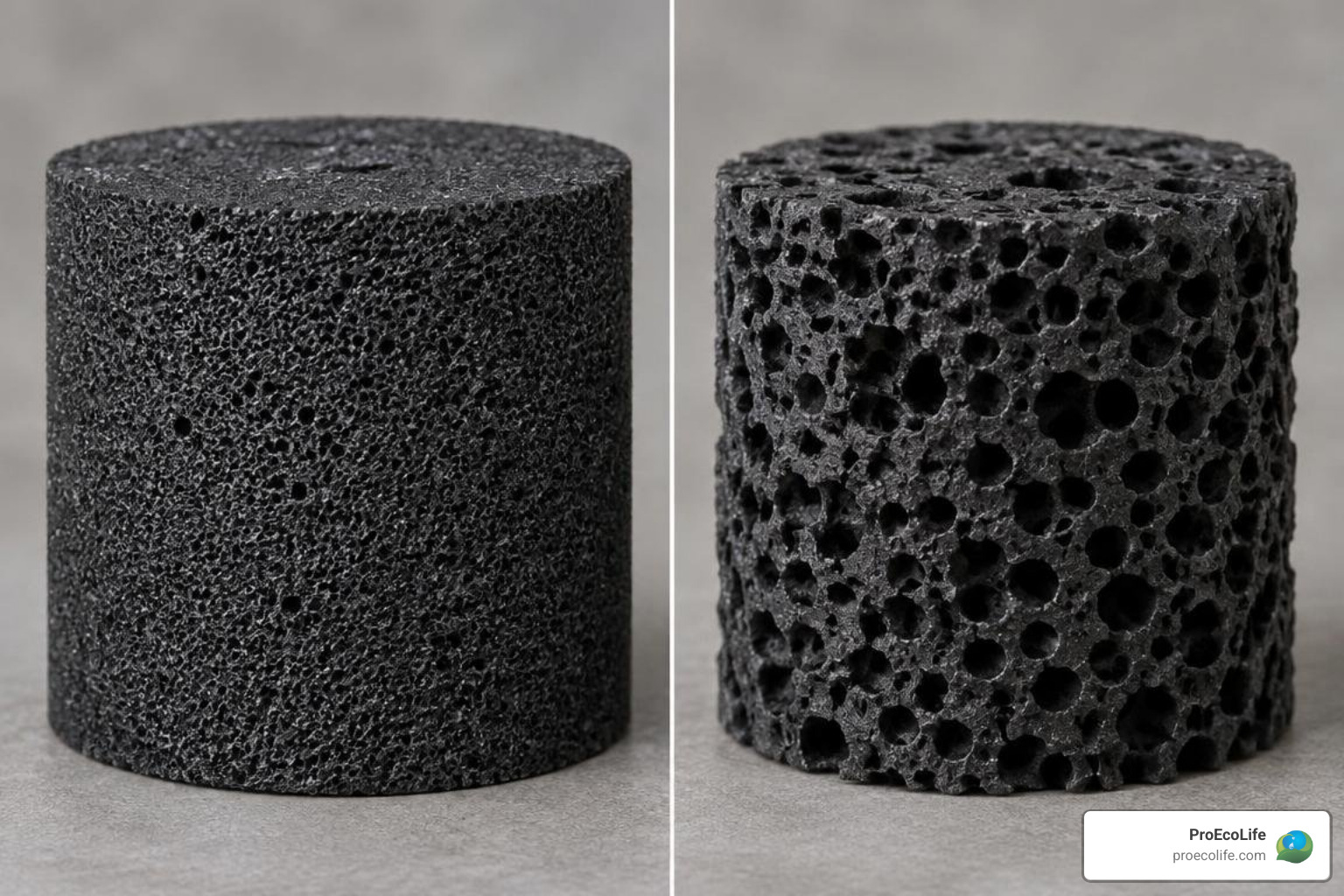
Pore structure directly impacts pressure drop across the filter housing. A dense 1-micron matrix creates higher initial resistance, which increases as particles accumulate on the outer layer. Reviewing the ultimate guide to micron ratings for whole house water filters provides deeper insight into managing pressure dynamics across residential systems.
| Feature / Metric | 1 Micron Carbon Block | 5 Micron Carbon Block |
|---|---|---|
| Primary Function | Sub-micron particle and cyst reduction | Chemical reduction with high flow |
| Nominal Pore Diameter | ~1.0 micrometers | ~5.0 micrometers |
| Flow Restriction | Moderate to high pressure drop | Minimal pressure drop |
| Sediment Tolerance | Lower; can clog rapidly in turbid water | Higher dirt-holding capacity |
| Typical Application | Point-of-use drinking water stages | Whole-home pre-filtration, multi-stage RO pre-treatment |
| Microbial Cyst Capture | Yes (nominal cyst-reduction capability) | No (requires dedicated fine filtration) |
When to Choose a 1 Micron Carbon Block Filter
A 1-micron carbon block is well-suited for point-of-use drinking installations, such as dedicated under-sink faucets. Because nominal 1-micron pores physically trap fine particulates and parasitic cysts like Cryptosporidium and Giardia, this rating provides an added physical barrier.
In older housing stock found throughout Chicago neighborhoods like Norwood Park, Edison Park, and Jefferson Park, aging cast iron or galvanized distribution lines may introduce fine colloidal sediment. A 1-micron block captures these fine particles while adsorbing residual chlorine and chemical byproducts.
When to Choose a 5 Micron Carbon Block Filter
A 5-micron carbon block is ideal for whole-house applications, light commercial installations, or incoming supply lines where flow rate must remain high. It provides ample surface area to remove chlorine, unpleasant odors, and organic compounds without causing significant pressure drops across plumbing fixtures.
In Northwest suburbs such as Arlington Heights, Des Plaines, and Mount Prospect, municipal water supplies can carry variable sediment loads that quickly foul finer blocks. A 5-micron core provides high dirt-holding capacity and reliable chemical adsorption while maintaining flow to showers and appliances.
Need Clean, Safe Water at Home?
Get a free water test at your home or business. We install and service whole-house filtration and PEL75 reverse osmosis systems across Chicagoland. We also take select projects in Wisconsin and Indiana.
Book a Free Water TestCall (312) 889-8888System Integration and Sizing for Point-of-Use and Whole-House Systems
Carbon blocks function best as part of an engineered sequence rather than as standalone filters. Placing a dedicated sediment filter ahead of the carbon block protects its micropores from premature clogging by sand, silt, and pipe scale.
Understanding how to structure proecolife filters filtration stages helps homeowners balance chemical removal and cartridge longevity. For larger residences, the complete guide to 3-stage water filter housings and systems explains how combining sediment capture, primary carbon reduction, and polishing stages stabilizes household water pressure.
Filter housing dimensions also dictate service life:
- 10-Inch Standard Cartridges (2.5″ x 10″): Common in point-of-use systems, offering flow rates of 1 to 2 gallons per minute (GPM).
- 20-Inch Big Blue Cartridges (4.5″ x 20″): Standard for whole-property filtration, supporting flow rates from 10 to 15 GPM. Utilizing heavy-duty 20-inch replacement cartridges for whole house systems ensures adequate surface contact area for high-demand households in areas like Skokie, Glenview, and Niles.
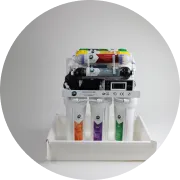
Our founder Karol Dolega established ProEcoLife in 2014 to engineer solutions tailored specifically to regional water profiles. For drinking water, our PEL75 9-Stage RO System combines targeted sediment separation, high-density carbon block adsorption, advanced reverse osmosis membranes, and remineralization stages.
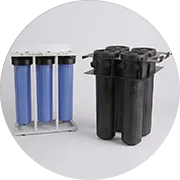
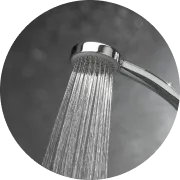
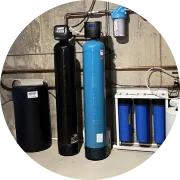
For full-property coverage, our Whole House Filtration, Well Water Conditioning, Commercial Water Filtration Systems, and Shower Filter System provide comprehensive protection against local contaminants.
Understanding the Activated Carbon Block Filter Micron Rating in Multi-Stage Setups
In reverse osmosis systems like the PEL75, cartridge sequencing is vital for membrane preservation. Chlorine degrades thin-film composite (TFC) RO membranes. A 5-micron carbon block pre-filter adsorbs free chlorine and protects the membrane while allowing sufficient water flow.
Downstream, a post-carbon polishing block refines taste before water reaches the tap. Aligning micron ratings across stages prevents premature pressure loss and extends the life of internal components.
Maintenance, Filter Lifespan, and Performance Testing
Most standard 10-inch coconut shell carbon block filters have a service life of 4 to 6 months or approximately 2,500 gallons, depending on incoming water quality. As carbon adsorbs chemicals, its binding sites gradually saturate.
Key factors influencing cartridge lifespan include:
- Total Dissolved Solids (TDS) and Particulate Load: High levels of suspended solids can blind the outer pores before chemical capacity is reached.
- Chlorine and Chloramine Concentrations: Elevated disinfectant levels deplete the carbon’s adsorption sites more quickly.
- Usage Flow Patterns: Research indicates intermittent household flow patterns do not compromise chemical adsorption efficiency compared to steady continuous flows, though high peak flow rates can reduce contact time.
Homeowners evaluating whether carbon water filtration systems are worth the investment often find that regular filter replacements ensure consistent water quality and protect downstream plumbing.
Frequently Asked Questions About Carbon Block Filters
How long do 10-inch CTO cartridges typically last?
A standard 10-inch CTO coconut shell carbon cartridge typically lasts between 4 and 6 months or up to 2,500 gallons of treated water. In homes with older supply lines, such as in older Chicago properties, sediment accumulation may require earlier replacement to maintain water pressure.
Can modified carbon blocks remove heavy metals and arsenic?
Standard carbon blocks are primarily designed for chlorine, taste, odor, and organic chemicals. However, carbon blocks modified with iron or titanium (hydr)oxides can remove inorganic contaminants like arsenate through specialized chemical surface reactions. For certified lead reduction, systems must be specifically verified under NSF/ANSI Standard 53.
What is the main difference between GAC and solid carbon blocks?
Granular activated carbon (GAC) contains loose carbon particles that water can push aside, potentially creating fluid bypass channels. Solid carbon blocks fuse fine carbon powder under pressure with a binder, creating a dense matrix that prevents channeling, improves empty bed contact time, and provides consistent physical particle filtration.
Conclusion
Choosing between a 1-micron and 5-micron carbon block comes down to balancing fine particle capture with system flow requirements. A 1-micron block provides fine particulate retention for dedicated drinking water lines, while a 5-micron cartridge offers chemical adsorption and low pressure drop for whole-home setups.
Because Lake Michigan water quality, municipal piping age, and local hardness vary across Chicago, Park Ridge, Des Plaines, Morton Grove, and surrounding communities, starting with an accurate water evaluation is essential.
Homeowners can explore residential water filtration solutions to find the right configuration for their plumbing. To schedule a comprehensive water test, contact ProEcoLife at (312) 889-8888 or visit proecolife.com.