
Is Your Chicago Home’s Water Safe from PFAS “Forever Chemicals”?
Choosing the right home water filtration system for PFAS is one of the most important decisions a Chicago homeowner can make right now. PFAS — short for per- and polyfluoroalkyl substances — have been detected in drinking water supplies across thousands of U.S. communities, and the Chicago area is no exception.
Here are the best filter types for removing PFAS, at a glance:
| Filter Type | PFAS Removal Rate | Best For |
|---|---|---|
| Reverse Osmosis (RO) | 90–99% | Drinking water at one tap |
| Granular Activated Carbon (GAC) | 70–100% (long-chain PFAS) | Whole-house or point-of-use |
| Ion Exchange (IX) | 75–100% | Targeted PFAS reduction |
| Carbon Block | High (varies by media) | Whole-house systems |
The short answer: Reverse osmosis and certified activated carbon systems are the most effective options. Look for NSF/ANSI Standard 53 (for carbon/GAC filters) or NSF/ANSI Standard 58 (for RO systems) on any product you consider.
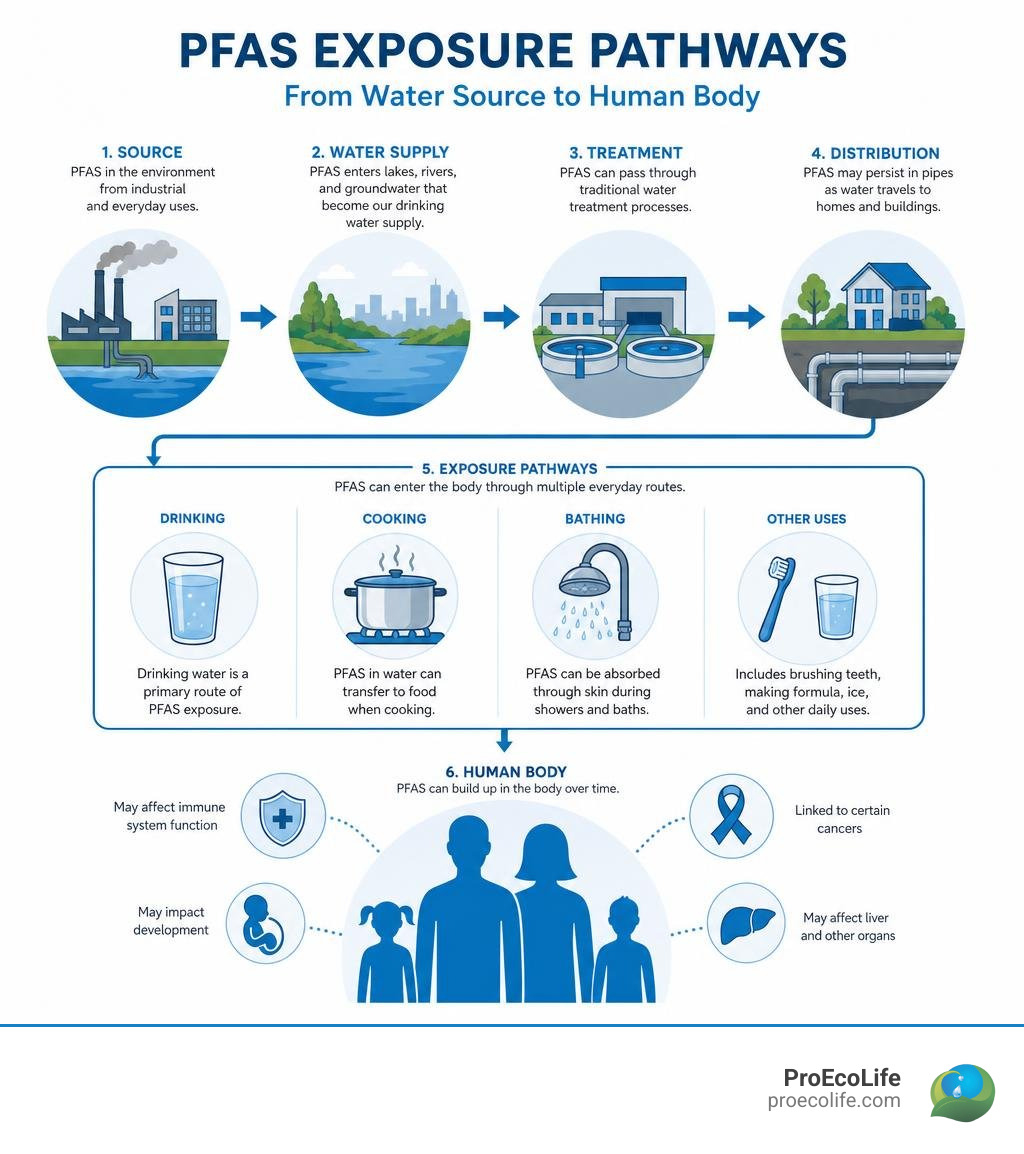
PFAS are called “forever chemicals” for a reason — they don’t break down in the environment or in the human body. An estimated 200 million Americans are exposed to PFAS through their tap water, spanning more than 7,000 communities. Ongoing exposure has been linked by the CDC and EPA to serious health concerns, including certain cancers and immune system effects.
For homeowners in Chicago’s Northwest Side neighborhoods — from Norwood Park to Jefferson Park — this concern is compounded by aging infrastructure and older plumbing that can introduce additional contaminants like lead alongside PFAS from the municipal supply.
The good news: the right filtration system can bring your water down to safe levels. This guide will help you understand your options, compare technologies, and choose a system that fits your home and family.
Learn more about home water filtration system pfas:
Understanding PFAS “Forever Chemicals” in Chicago’s Water Supply
To understand why a home water filtration system for PFAS is so critical, we first have to look at what these chemicals are and how they end up in our local taps. Per- and polyfluoroalkyl substances (PFAS) are a massive family of thousands of synthetic chemicals. Since the 1940s, they have been used globally in consumer products to resist heat, water, grease, and stains. You can find them in non-stick cookware, water-repellent clothing, stain-resistant fabrics, and even firefighting foams.
Because of their incredibly strong carbon-fluorine bonds, these chemicals do not break down naturally. Instead, they accumulate in the environment, leaching into groundwater and municipal water systems.
Historically, there were no enforceable federal limits on PFAS in drinking water. However, the EPA has established strict new standards targeting notorious compounds like PFOA and PFOS. Homeowners can review the federal background on PFAS and drinking water through the EPA’s PFAS drinking water information. While municipal water treatment plants are working to adjust, conventional processes like chlorination, sand filtration, and standard sedimentation do not remove these microscopic compounds.
In older Chicago neighborhoods like Norwood Park, Edison Park, and Jefferson Park, municipal water travels through aging infrastructure. Older water mains and lead service lines present a multi-contaminant challenge. When you are dealing with both legacy lead issues and modern chemical contaminants, relying on basic tap water is a risk many local families prefer to avoid. To see if your household is at risk, you can explore our guide on Is Your Water Contaminated? to learn more about identifying hidden impurities.
Local Water Quality and PFAS Risks
While Lake Michigan is a vast and beautiful source of drinking water, it is not immune to industrial runoff and modern chemical pollution. Water quality testing in nearby suburbs like Skokie, Park Ridge, and Des Plaines has highlighted the presence of trace contaminants.
For instance, looking closely at local water quality reports for Skokie reveals that while municipal systems generally meet basic federal safety guidelines, trace levels of synthetic chemicals and heavy metals often persist. This makes many residents ask: Is It Safe to Drink Tap Water? without a secondary line of defense at home.
In the Northwest suburbs, we also contend with hard water issues. When high mineral content (calcium and magnesium) combines with invisible chemical contaminants like PFAS, it creates a complex water profile that requires a thoughtful, multi-stage filtration strategy.
Need Clean, Safe Water at Home?
Get a free water test at your home or business. We install and service whole-house filtration and PEL75 reverse osmosis systems across Chicagoland. We also take select projects in Wisconsin and Indiana.
Book a Free Water TestCall (312) 889-8888How Different Technologies Filter PFAS from Drinking Water

When shopping for a home water filtration system for PFAS, you will encounter three primary technologies: Granular Activated Carbon (GAC), Ion Exchange (IX), and Reverse Osmosis (RO). Each method targets contaminants differently, and understanding these mechanisms is key to choosing the right system.
Granular Activated Carbon (GAC) and Ion Exchange (IX)
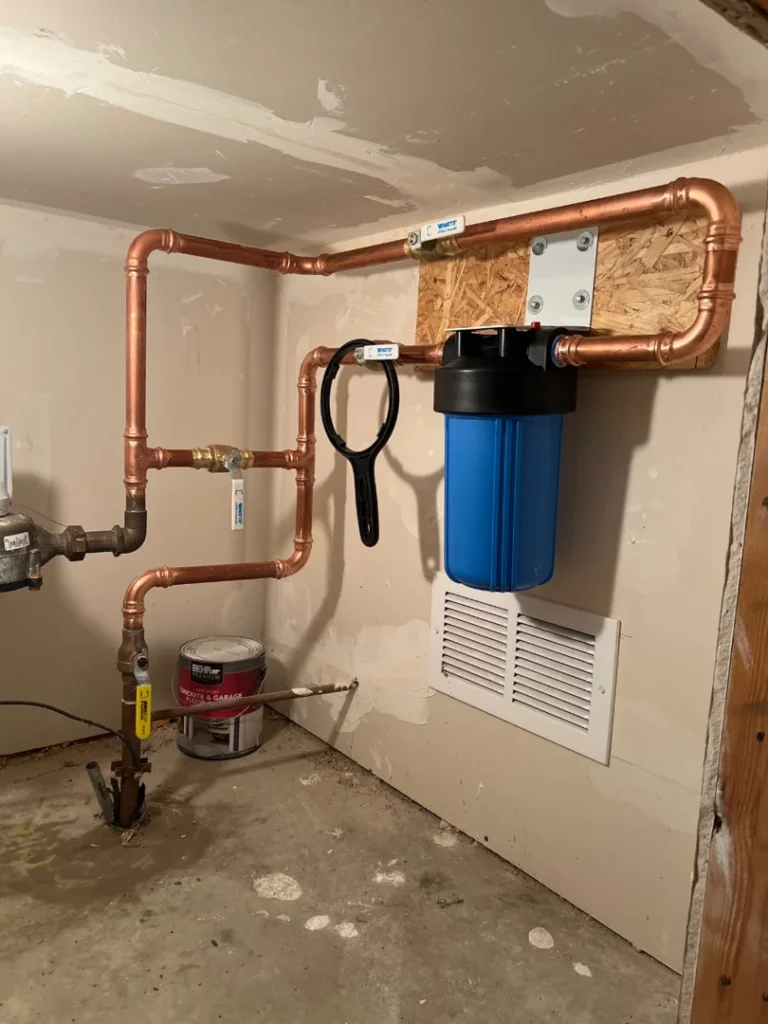
Granular Activated Carbon (GAC) is one of the most common and cost-effective methods for chemical reduction. GAC filters utilize highly porous carbon media (often made from coconut shells or coal) to physically adsorb organic chemicals. As water flows through the filter, the PFAS molecules stick to the carbon pores, trapping them inside. GAC is highly effective at removing long-chain PFAS compounds (like PFOA and PFOS), but it can sometimes struggle with newer, short-chain PFAS variants.
Ion Exchange (IX) systems use synthetic resins made of tiny, highly charged beads. These beads act like magnets, attracting and holding negatively charged PFAS ions while releasing harmless ions in their place. IX is incredibly efficient and has a high capacity for targeting specific PFAS compounds, though it is typically more expensive than standard carbon media.
Understanding the Different Types of Water Filters at Home will help you see how these technologies are often combined in multi-stage systems to maximize performance.
Reverse Osmosis (RO) Filtration
If you want the most thorough defense against the widest range of contaminants, Reverse Osmosis (RO) is the gold standard. RO works by forcing water under pressure through an incredibly tight, semi-permeable membrane. This membrane has pores so small that they block almost all dissolved solids, heavy metals, and chemicals—including up to 99% of both long-chain and short-chain PFAS (such as GenX).
To understand the mechanics of this process, you can read our detailed breakdown on How Does Reverse Osmosis Work?.
At ProEcoLife, we took this technology to the next level by developing our proprietary PEL75 9-Stage RO System. Instead of relying on a basic three- or four-stage setup, our system utilizes nine distinct stages of purification, including advanced sediment removal, premium carbon block filtration, a high-rejection RO membrane, and custom remineralization. This ensures that while PFAS and lead are thoroughly removed, healthy minerals are added back to keep your water tasting crisp and refreshing.
Need Clean, Safe Water at Home?
Get a free water test at your home or business. We install and service whole-house filtration and PEL75 reverse osmosis systems across Chicagoland. We also take select projects in Wisconsin and Indiana.
Book a Free Water TestCall (312) 889-8888Choosing the Right Home Water Filtration System for PFAS
Selecting the right system requires balancing your household size, daily water usage, and the specific contaminants present in your local supply. If you are unsure where to start, we highly recommend checking out our comprehensive guide on How to Choose a Water Filter.
Key Certifications for a Home Water Filtration System for PFAS
When researching a home water filtration system for PFAS, do not rely on unverified marketing claims. Look for official third-party certifications from reputable organizations like the National Sanitation Foundation (NSF), the American National Standards Institute (ANSI), or the International Association of Plumbing and Mechanical Officials (IAPMO).
- NSF/ANSI Standard 53: This certification verifies that a system is structurally sound and effectively reduces specific contaminants with established health effects, including PFOA and PFOS.
- NSF/ANSI Standard 58: This is the specific standard for Reverse Osmosis systems, ensuring they meet rigorous performance requirements for reducing PFAS, lead, copper, and other heavy metals.
Choosing a system certified to these standards ensures that the media has been independently tested and proven to perform under real-world conditions.
Maintaining Your Home Water Filtration System for PFAS
No water filter lasts forever. As the filtration media adsorbs chemicals, it eventually becomes saturated and loses its effectiveness.
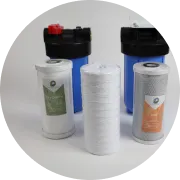
- Carbon pre-filters and post-filters typically need to be replaced every 6 to 12 months.
- Reverse Osmosis membranes generally last between 2 to 5 years, depending on your incoming water quality and usage.
- Whole-house filter cartridges can last anywhere from 100,000 gallons to 350,000 gallons, depending on the system size and media type.
In suburbs like Niles and Glenview, where hard water minerals can cause scale buildup, regular maintenance is crucial. If scale blocks the pre-filters, water pressure will drop, and the filtration media will degrade faster. We highly recommend scheduling professional maintenance to ensure your system continues to provide optimal protection year after year.
Point-of-Use vs. Whole-House PFAS Filtration Systems
The choice between a point-of-use (POU) system and a whole-house (point-of-entry) system depends on whether you want to target your primary drinking water tap or protect every single faucet in your home.
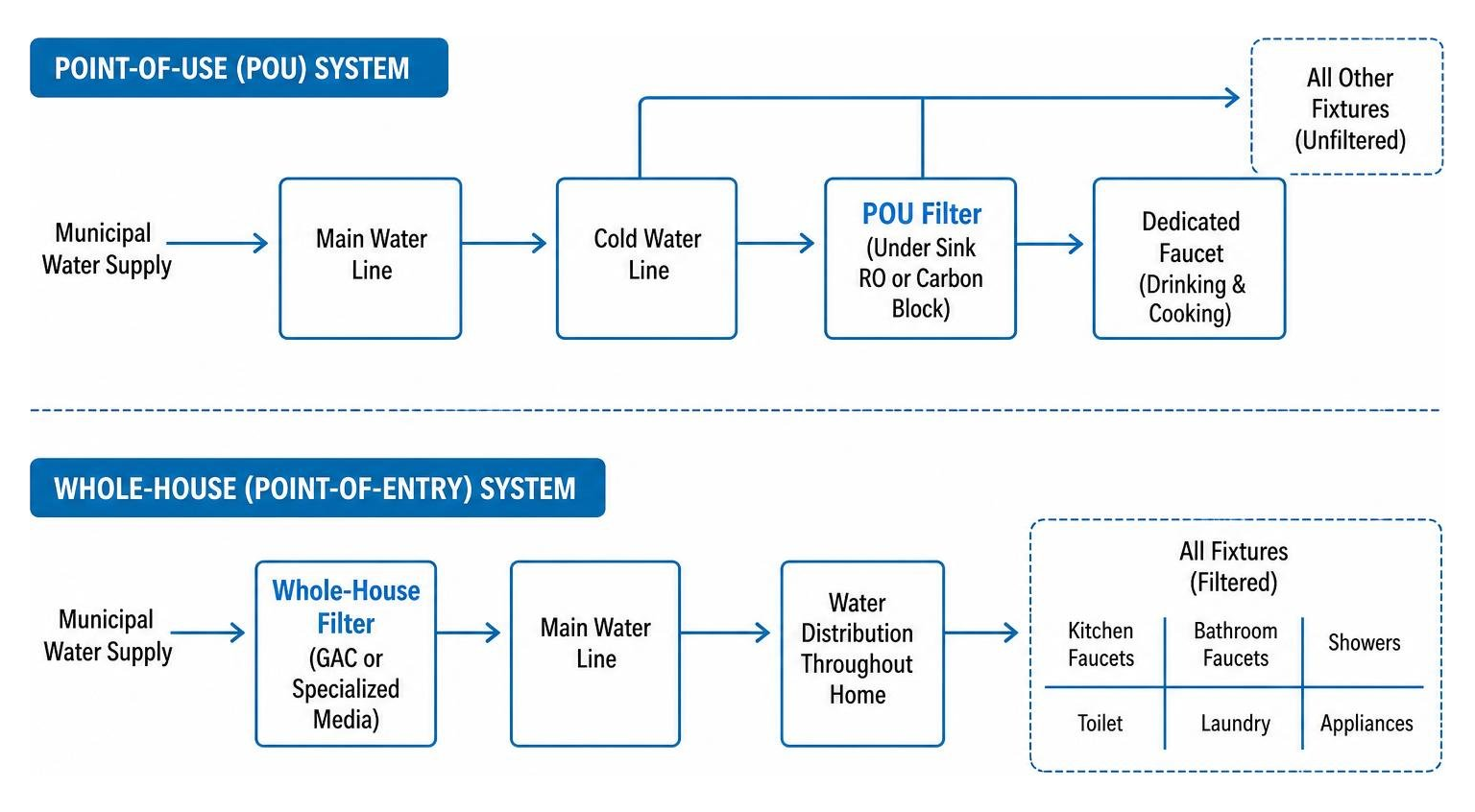
| Feature | Point-of-Use (POU) Systems | Whole-House Systems |
|---|---|---|
| Installation Point | Under the kitchen sink or countertop | Main water line entering the home |
| Coverage | Single tap (for drinking and cooking) | Every tap, shower, and appliance |
| Primary Technology | Reverse Osmosis or Carbon Block | Granular Activated Carbon (GAC) or specialized media |
| Flow Rate Impact | None on main household water pressure | Must be sized correctly to prevent pressure drops |
| Best For | Maximum drinking water purity | Protecting skin, hair, and plumbing |
To explore the differences in detail, read our article on choosing a Home Water Filter.
Point-of-Use Systems for Targeted Drinking Water
Point-of-use systems are installed directly where you consume water, typically under the kitchen sink. These systems are highly focused, allowing for dense filtration methods like reverse osmosis that operate at lower flow rates.
For homeowners in Arlington Heights and Morton Grove, installing our PEL75 9-Stage RO System under the kitchen sink provides unmatched peace of mind. It targets invisible chemical compounds, municipal chlorine, and heavy metals right at the tap, ensuring that your drinking and cooking water is of the highest possible quality.
Whole-House Systems for Comprehensive Protection
A whole-house system is installed on your main water line, treating all the water that enters your home. This means the water you use for showering, washing dishes, and doing laundry is filtered.
If you want to protect your skin and hair from chlorine vapors and trace chemicals during hot showers, a whole-house setup is ideal. This type of system integrates directly with your existing plumbing to treat water at its point of entry.
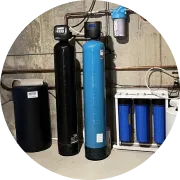
At ProEcoLife, we offer custom-tailored Whole House Filtration and Shower Filter System configurations. If you rely on private well water in the outer suburbs, we also provide specialized Well Water Conditioning to handle iron, sulfur, and hardness minerals before they reach your home’s appliances. You can learn more about these comprehensive setups by visiting our dedicated page on the Whole House Filtration System.
By choosing a comprehensive whole-home setup, you can ensure that every tap in your house delivers clean, filtered water, protecting both your family’s health and your home’s plumbing infrastructure.
Frequently Asked Questions about PFAS Water Filters
Can a whole-house water filter system effectively remove PFAS?
Yes, whole-house systems can be highly effective at reducing PFAS, but they must be properly designed. These systems typically use high-capacity activated carbon or specialized media (such as dual-tank setups) to handle the high flow rates required for an entire household. Because whole-house systems must treat water quickly without causing a pressure drop, they require professional installation and precise sizing based on your home’s plumbing and water usage.
How often do PFAS filter cartridges need to be replaced?
Replacement frequency depends heavily on the system’s gallon capacity and your household’s daily water consumption. A typical under-sink carbon filter may last for 500 to 1,000 gallons (roughly 6 to 12 months), while a heavy-duty whole-house cartridge can treat up to 100,000 to 350,000 gallons before needing replacement. If you notice a drop in water pressure or a change in taste, it is usually a sign that your filters are saturated and require immediate service.
What are the limitations of current PFAS filter certifications?
While certifications like NSF/ANSI 53 and 58 are excellent benchmarks, they have limitations. These standards historically focused on specific, well-known compounds like PFOA and PFOS. However, chemical manufacturers have introduced thousands of alternative, short-chain PFAS compounds (such as GenX and PFBS) that are smaller and more difficult to trap. To ensure comprehensive protection against these emerging compounds, it is best to pair certified systems with independent laboratory testing and multi-stage filtration technologies like reverse osmosis.
Conclusion
Protecting your household from invisible “forever chemicals” requires a reliable, scientifically proven strategy. Since 2014, ProEcoLife-founded by Karol Dolega-has been dedicated to helping Chicago-area families secure clean, safe water. With deep roots in the local community, we understand the unique challenges of Lake Michigan water, Northwest suburban mineral hardness, and the aging plumbing infrastructure of our historic neighborhoods.
Whether you are looking to install our premier PEL75 9-Stage RO System under your kitchen sink or want a comprehensive Whole House Filtration setup, we are here to help. We provide expert water analysis and professional installation services to ensure your system is properly matched to your home’s unique water profile.
Ready to take the next step toward cleaner, healthier water? Explore our Whole House Filtration System options to find the right fit for your home.
Contact ProEcoLife today to schedule a professional water test and find the ideal filtration setup for your home by visiting proecolife.com.