
Chicago Has More Lead Pipes Than Any Other City — Here’s What You Need to Know
Chicago water lead testing is one of the most urgent home safety issues facing residents right now. With over 412,000 lead service lines running beneath city streets — more than any other U.S. city — the risk of lead entering your tap water is real, especially if you live in a home built before 1986.
Quick answers for Chicago residents:
- Check your pipes: Use the city’s online service line lookup at chicago.gov/water with your address
- Request a testing kit: Call 311 or request a kit online — collect samples after 6+ hours of no water use
- Filter your water now: Use only filters certified to NSF/ANSI Standard 53 for lead removal
- Flush before drinking: Run cold water for at least 5 minutes after water has sat unused for 6+ hours
- Know your risk: Any Chicago home built before 1986 very likely has a lead service line
The problem is bigger than most residents realize. A federal deadline required the city to notify roughly 900,000 affected residents by November 2024. By July 2025, only about 7% had received that warning. That means the vast majority of households with lead pipes have no idea their water may be affected.
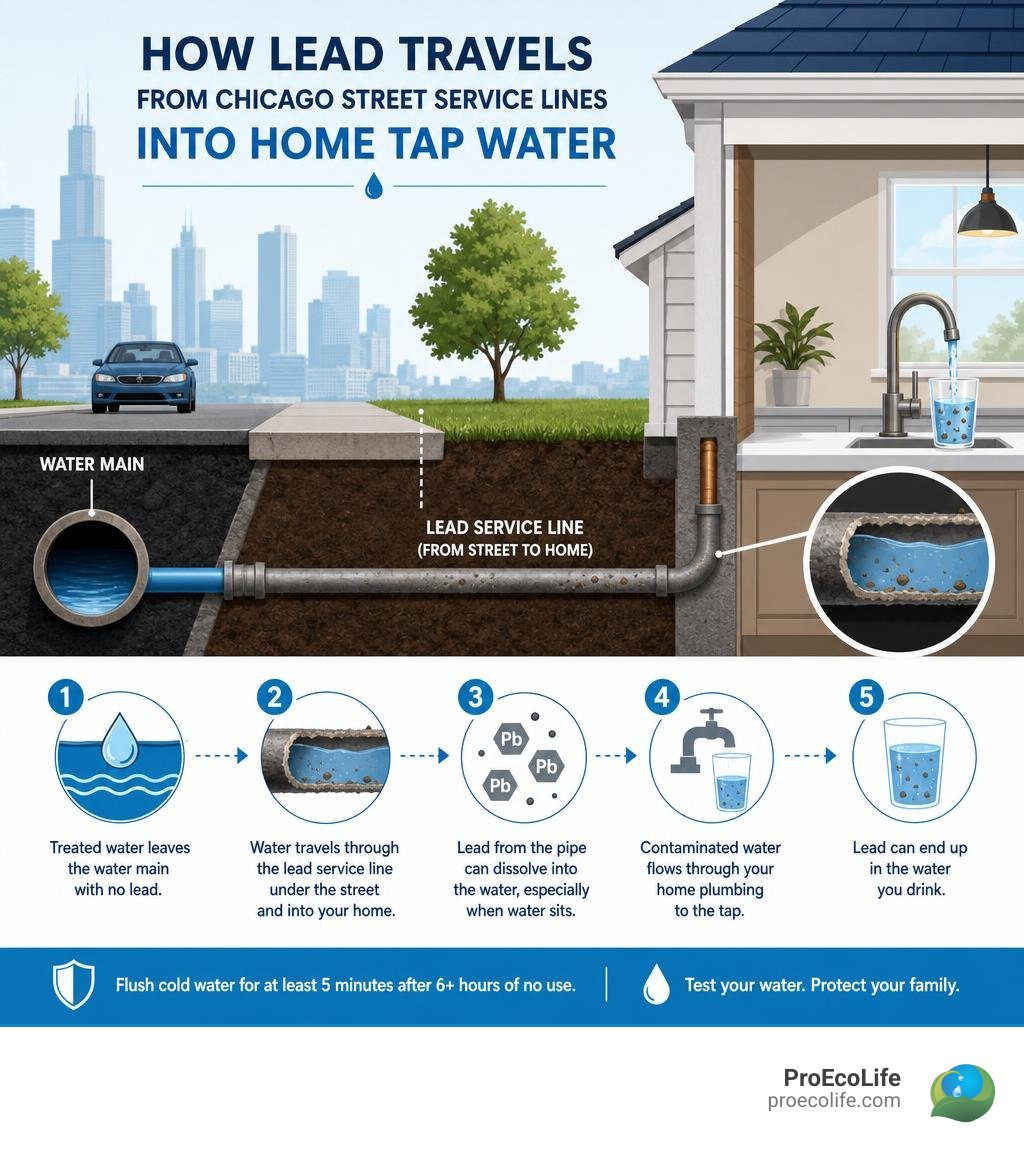
Chicago’s treated water leaves the Jardine and South Water purification plants with no detectable lead — Lake Michigan is a clean source. But lead doesn’t come from the lake. It leaches into water inside your home, from the service line running from the street to your tap. That’s the part the city can’t control once the water leaves the plant.
A 2024 Johns Hopkins study estimated that approximately 68% of Chicago children under 6 are exposed to lead-contaminated tap water. That’s not a minor concern — it’s a public health emergency hiding behind a compliance number.
This guide walks you through exactly how Chicago water lead testing works, what your results mean, and what steps you can take right now to protect your family.
The Reality of Chicago’s Lead Service Line Crisis
To understand why chicago water lead testing is so critical, we must first look at the sheer scale of the city’s underground infrastructure. Chicago has approximately 412,000 lead service lines out of about 490,000 total service lines. This means that nearly 84% of all water service connections in the city are made of toxic lead.
These lead pipes are the straw through which your home drinks. Even if the municipal water main in the street is clean, and even if the water treatment plants deliver nearly one billion gallons of water daily with no detectable lead, the water must travel through this lead straw before it reaches your kitchen faucet. This structural vulnerability is the root of Chicago’s Risky Water Problem.
Any building constructed in Chicago before 1986 is highly likely to have a lead service line. In fact, Chicago actually mandated the use of lead pipes by law until the federal government finally banned them in 1986. Decades of local building codes have left a toxic legacy that directly impacts modern families across Northwest Side neighborhoods like Norwood Park, Edison Park, and Jefferson Park, as well as older properties in neighboring suburbs.
Understanding the Scale of Chicago Water Lead Testing
Chicago’s lead pipe problem is not just a historical footnote; it is an active public health challenge. According to a detailed USGS Scientific Assessment of Chicago Tapwater, lead was detected in 39 out of 45 residential tap water samples when utilizing highly sensitive laboratory testing methods. The study confirmed that while Lake Michigan intake water and treated pre-distribution water at municipal plants show no detectable lead above reporting limits, the heavy metal is introduced at the residential tap due to the service lines and plumbing inside the home.
In regulatory terms, Chicago’s 90th-percentile lead result was 9.1 parts per billion (ppb) in recent testing cycles. While this remains below the Environmental Protection Agency (EPA) official action level of 15 ppb, many scientists and medical experts argue that this standard is misleading. The EPA and the Centers for Disease Control and Prevention (CDC) agree that there is no safe level of lead exposure.
Furthermore, the 90th-percentile metric is a community-wide average. It can easily mask extreme spikes in individual homes. For instance, recent municipal testing showed that approximately 7.1% of homes receiving water meters through the city’s MeterSave program saw lead levels spike well above the 15 ppb threshold. A single household on your block could have water containing dangerous amounts of lead while the city’s overall average remains “in compliance.”
Why the City Missed Federal Notification Deadlines
Under the EPA’s Lead and Copper Rule Revisions, water utilities across the country were required to identify their lead lines and warn approximately 900,000 Chicago residents about the presence of lead service lines by November 16, 2024. However, the city missed this critical deadline by a wide margin.
As documented in a detailed Inside Climate News Report on Chicago’s Lead Pipe Notifications, by July 2025, the city had only managed to notify about 7% of those affected. The Chicago Department of Water Management (DWM) has been mailing roughly 3,000 lead notifications per week at a cost of about $8,500 monthly. At this sluggish pace, it will take years to complete the first round of legally required notifications, leaving hundreds of thousands of residents in the dark about their daily exposure.
This communication failure means you cannot wait for a letter in the mail to know if your drinking water is safe. Proactive testing and personal vigilance are your family’s best line of defense.
Chicago Water Lead Testing: How to Check Your Tap

If you live in a pre-1986 single-family home, two-flat, or small multi-family building in Chicago or surrounding suburbs like Niles, Park Ridge, or Skokie, you should assume you have a lead service line until proven otherwise. Fortunately, there are reliable ways to test your water and inspect your plumbing. For comprehensive peace of mind, we recommend utilizing a professional, Reliable Water Testing Service in Chicago to evaluate your home’s water quality.
Step-by-Step Guide to the Chicago Water Lead Testing Process
The City of Chicago offers a self-testing program through its 311 system. Here is how the process works:
- Request a Kit: You can request a water testing kit by calling 311 or visiting the Chicago 311 Water Lead Test Kit online portal.
- Receive the Kit: The DWM will mail a box containing three collection bottles, detailed instructions, and a return shipping label.
- Stagnate the Water: For the test to be accurate, the water in your home must sit stagnant in the pipes for at least 6 hours (and no more than 18 hours). Most residents do this overnight or while at work. Do not run any water, flush toilets, run the dishwasher, or use the washing machine during this period.
- Collect the Samples:
- First Bottle (1st Draw): Turn on the cold water tap you use most for drinking (usually the kitchen sink) and immediately fill the first bottle. This represents the water that has sat in your faucet and immediate fixtures.
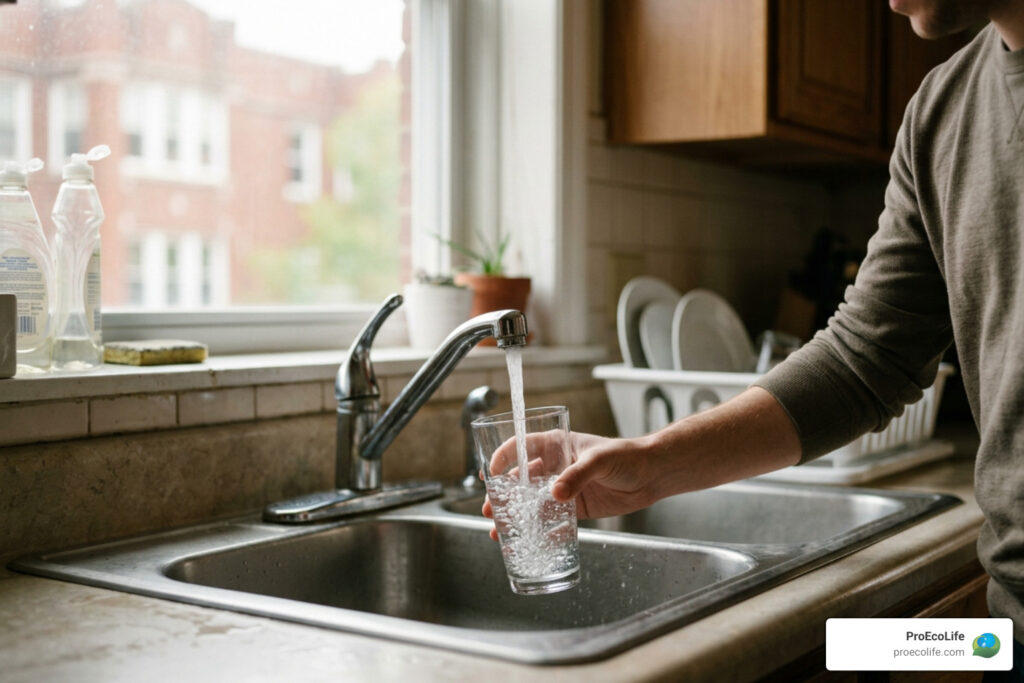
- Second Bottle (2nd Draw): Let the water run for a designated period (usually 30 to 45 seconds) and fill the second bottle. This represents the water that sat in your interior plumbing.
- Third Bottle (3rd Draw): Let the water run for 3 minutes (or until the water temperature noticeably drops, indicating it is coming directly from the water main in the street) and fill the third bottle. This represents the water that has sat directly in your lead service line.
- Submit for Analysis: Package the bottles back into the box and schedule a pickup or mail them back using the provided label. The samples are analyzed at a certified laboratory, and your results will be mailed or emailed to you.
How Accurate is the City’s Service Line Inventory?
The city maintains an online Service Line Lookup map where residents can enter their address to check their pipe material. While this is a helpful starting point, the inventory is not 100% accurate. Many properties are listed as “Suspected Lead” or “Unknown.” If your address is missing or listed as unknown, professional technicians often identify pipe materials using a scratch and magnet test where the water line enters the home:
- Locating the Pipe: This is typically done where the main line enters the basement or utility closet near the water meter.
- The Scratch Test: A technician gently scratches the pipe’s surface. Lead is soft, dull gray, and scratches easily to reveal a bright, shiny silver color.
- The Magnet Test: A magnet is placed against the pipe. If it does not stick, the pipe is typically lead or copper. If it sticks, the pipe is galvanized iron, which can also trap lead particles and may require professional replacement.
To ensure accuracy and avoid disturbing aging pipes, it is always best to have a professional water treatment expert inspect your plumbing. If you are unsure how to interpret your pipes or the city’s map, you can consult our WBEZ Lead Pipe Map Guide for detailed instructions on reading localized lead risk data.
Health Risks of Lead Exposure in Drinking Water
Lead is a potent neurotoxin that accumulates in the body over time. The EPA, CDC, and the World Health Organization all agree: there is no safe level of lead exposure. Because lead mimics calcium in the body, it is easily absorbed into the bones, blood, and soft tissues, where it can cause irreversible damage. The Lead-Safe Chicago Water Guide emphasizes that drinking water can contribute to 40 to 60 percent of an infant’s total lead exposure, especially when tap water is used to mix baby formula.
Vulnerability of Children and Pregnant Residents
While lead is harmful to everyone, it is exceptionally dangerous for pregnant individuals and children under the age of 6. A child’s developing brain and nervous system are highly sensitive to even trace amounts of heavy metals.
The landmark Johns Hopkins study published last year revealed that approximately two-thirds of Chicago children under 6 live in homes with tap water containing detectable levels of lead. The health consequences of this widespread exposure include:
- Cognitive and Behavioral Issues: Reduced IQ, learning disabilities, shorter attention spans, and increased hyperactivity or aggressive behavior.
- Developmental Delays: Slowed growth, hearing loss, and motor skill difficulties.
- Prenatal Risks: Pregnant individuals exposed to lead risk passing the toxin to the fetus, which can lead to premature birth, low birth weight, and developmental problems.
- Adult Health Issues: In adults, chronic low-level lead exposure is linked to high blood pressure, kidney damage, and cardiovascular disease.
Because lead is tasteless, odorless, and invisible, many families remain unaware of the danger until developmental delays or behavioral problems manifest.
Immediate Steps to Reduce Lead Exposure at the Tap
While the city’s long-term plan is to replace lead service lines, that process will take decades. In the meantime, you must take immediate, proactive steps to protect your household. Knowing How to Choose the Best Lead Water Filter in Chicago is an essential part of securing your family’s health.
The Role of Flushing and Aerator Cleaning
If you suspect or know you have a lead service line, flushing your pipes before using water for drinking or cooking is a simple, temporary mitigation strategy.
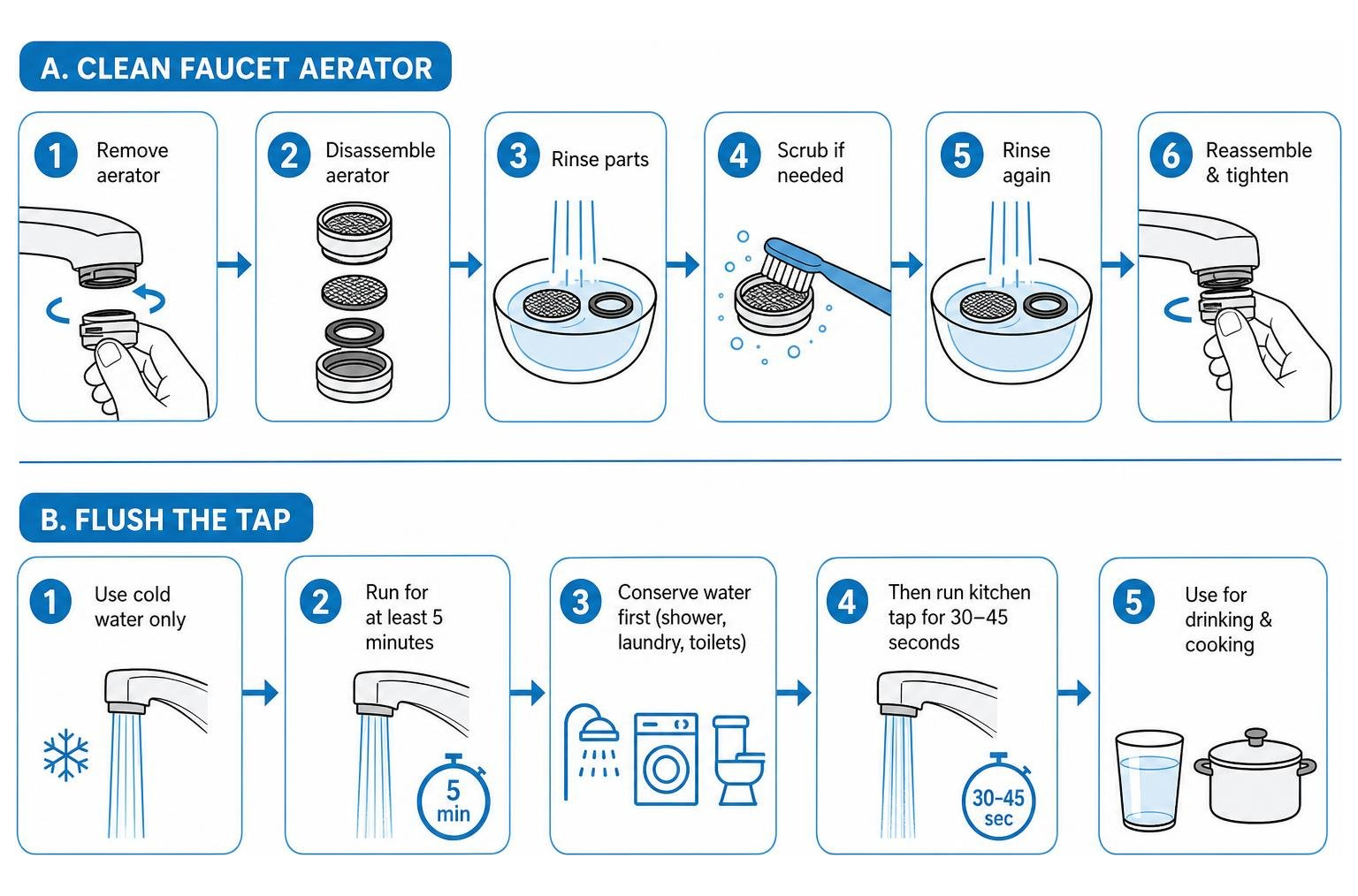
- The Daily Flush: If your water has sat unused for 6 hours or more, run your cold water tap for at least 5 minutes before using it. To conserve water, you can run the shower, do a load of laundry, or flush toilets first, then run your kitchen tap for 30 to 45 seconds.
- Use Cold Water Only: Never use hot tap water for drinking, cooking, or preparing baby formula. Hot water dissolves lead much faster than cold water. If you need hot water, draw cold water and heat it on the stove or in a kettle. Boiling water does not remove lead; it actually concentrates it as water evaporates.
- Clean Your Aerators: Faucet aerators (the tiny screens screwed onto the tip of your faucet) can trap lead solder and pipe sediment. Remove and clean these screens at least once a month. Rinse out any trapped particles before screwing them back on.
These flushing tips are discussed in depth in the Grist Guide on Protecting Yourself from Lead Pipes, which highlights how simple daily habits can reduce immediate exposure.
Certified Filtration Solutions for Lead Removal
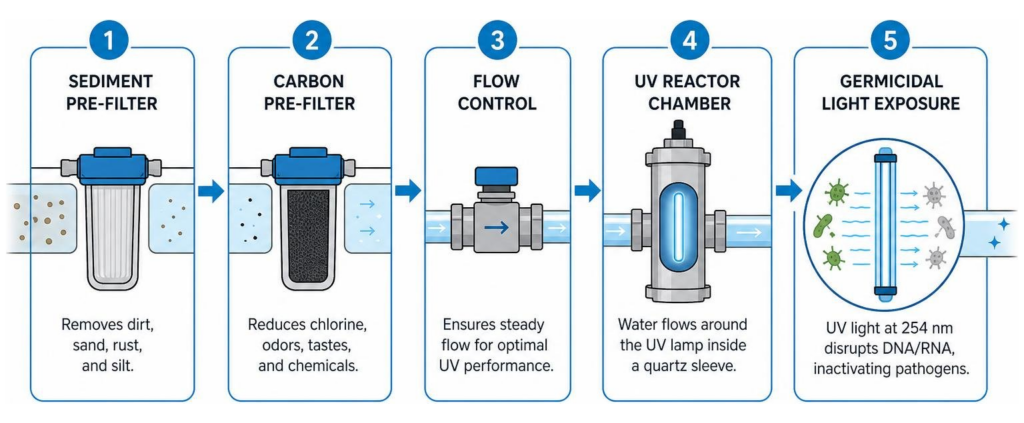
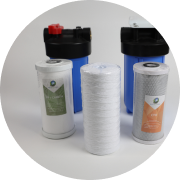
While flushing helps, it is not a foolproof solution. The only way to guarantee lead-free water at your tap is to have a filtration system certified to meet NSF/ANSI Standard 53 for lead reduction professionally installed. Many standard refrigerator filters and basic pitcher filters are only certified to NSF/ANSI Standard 42, which only improves taste and odor but leaves toxic lead untouched.
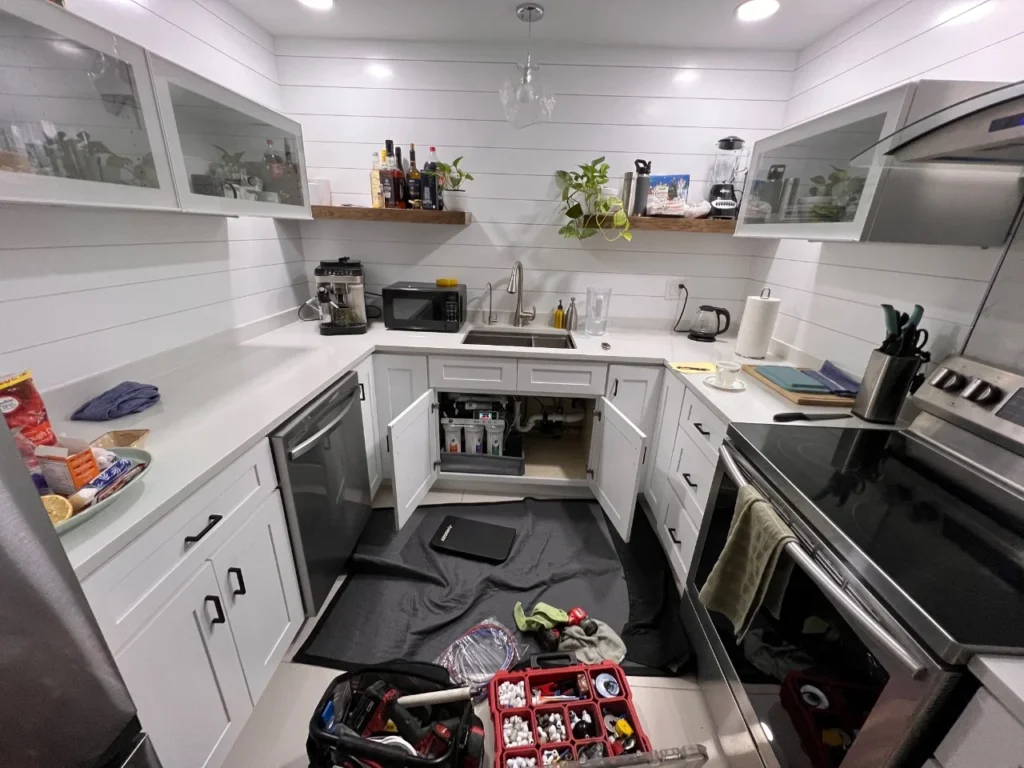
For maximum protection, we recommend a reverse osmosis (RO) system. Our proprietary PEL75 9-Stage RO System is engineered to remove lead, heavy metals, disinfection byproducts, chromium-6, and other common Chicago water contaminants. By filtering water through multiple specialized stages at the point of use, it provides a reliable shield against the aging infrastructure of the city. You can explore our Top Rated Reverse Osmosis Systems to find the right setup for your kitchen.
Frequently Asked Questions About Chicago’s Water Quality
How long will it take to replace all lead service lines in Chicago?
Under current city plans, Chicago aims to replace approximately 10,000 lead service lines in 2026 at an estimated cost of $300 million. However, at this rate, full replacement of all 412,000 lines is not expected to be complete until 2076 — a 50-year timeline that stretches 30 years past the federal EPA compliance deadline. This means a child born in Chicago today could be a grandparent before their home’s lead pipes are replaced by the municipality.
What replacement programs exist and who qualifies?
The city currently offers several targeted replacement programs:
- Equity Lead Service Line Replacement Program: Offers replacement for low-income homeowners who meet specific income guidelines.
- Homeowner-Initiated Program: Waives up to $5,000 in city permit fees if a homeowner hires a private contractor to replace their lead service line.
- MeterSave Program: Provides service line replacement when a smart water meter is installed, though recent data showed that 7.1% of homes participating in this program experienced temporary lead spikes due to pipe disturbance during installation.
What water filters are certified to remove lead?
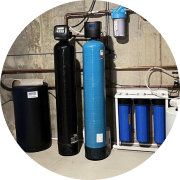
To safely remove lead, a filter must carry an official certification for NSF/ANSI Standard 53 (for lead reduction) or NSF/ANSI Standard 58 (for reverse osmosis systems). Point-of-use systems, such as under-sink RO systems and specialized whole-house filtration setups, are the most reliable options because they treat the water immediately before it exits the faucet, bypassing any lead-leaching pipes inside the home’s walls.
Conclusion: Securing Clean Water for Your Chicago Home
The reality of Chicago’s water infrastructure is clear: while our Lake Michigan source water is treated to high standards, the journey through 412,000 lead service lines introduces a silent hazard into our kitchens. Relying on slow-moving municipal programs or delayed warning letters is not enough to protect your family’s health.
Since 2014, ProEcoLife, founded by Karol Dolega, has been dedicated to providing advanced, reliable water treatment solutions across Chicago and the surrounding areas. We understand the specific water challenges of our region — from the hard water of the Northwest suburbs to the aging lead pipes of Northwest Side neighborhoods like Norwood Park, Edison Park, and Jefferson Park, as well as nearby communities such as Park Ridge, Niles, Des Plaines, Skokie, Glenview, Arlington Heights, and Morton Grove.
Protecting your household requires a proactive approach. Whether you need a comprehensive Whole House Filtration system to protect your entire property or our specialized PEL75 9-Stage RO System for pristine drinking water, we are here to help. You can learn more about our advanced solutions by reading about our Whole House Water Filtration Systems in Chicago.
Don’t leave your family’s health to chance. Take the first step toward clean, safe, and lead-free water today.
Contact ProEcoLife to schedule a professional water test and find the perfect filtration system for your home. Visit proecolife.com to get started.