
Chicago Has 412,000 Lead Pipes — Here’s What the Law Requires You to Know
Chicago lead water testing requirements can feel overwhelming — especially when you’re trying to figure out what applies to your home, your landlord, or your child’s school. Here’s a quick summary:
At a glance — Chicago lead water testing requirements:
- Residents can request a lead test kit by calling 311 or through the Chicago Department of Water Management online portal
- Testing priority applies if your home had water results above 15 ppb, received a meter through MeterSave, or had main replacement work on your block
- Pre-1986 homes and two-flats have a high likelihood of lead service lines and should test as a priority
- Licensed child care facilities in Illinois are required by law to test drinking water for lead
- Water systems must notify customers annually if they have lead service lines — Chicago missed its November 2024 federal deadline
- If results exceed 15 ppb, you must flush water for at least 5 minutes after 6+ hours of non-use, clean aerators, and consider certified filtration
- Property owners can apply to the Owner-Initiated or Equity LSLR Program to replace lead service lines, with certain city permit and municipal fee waivers available under program rules
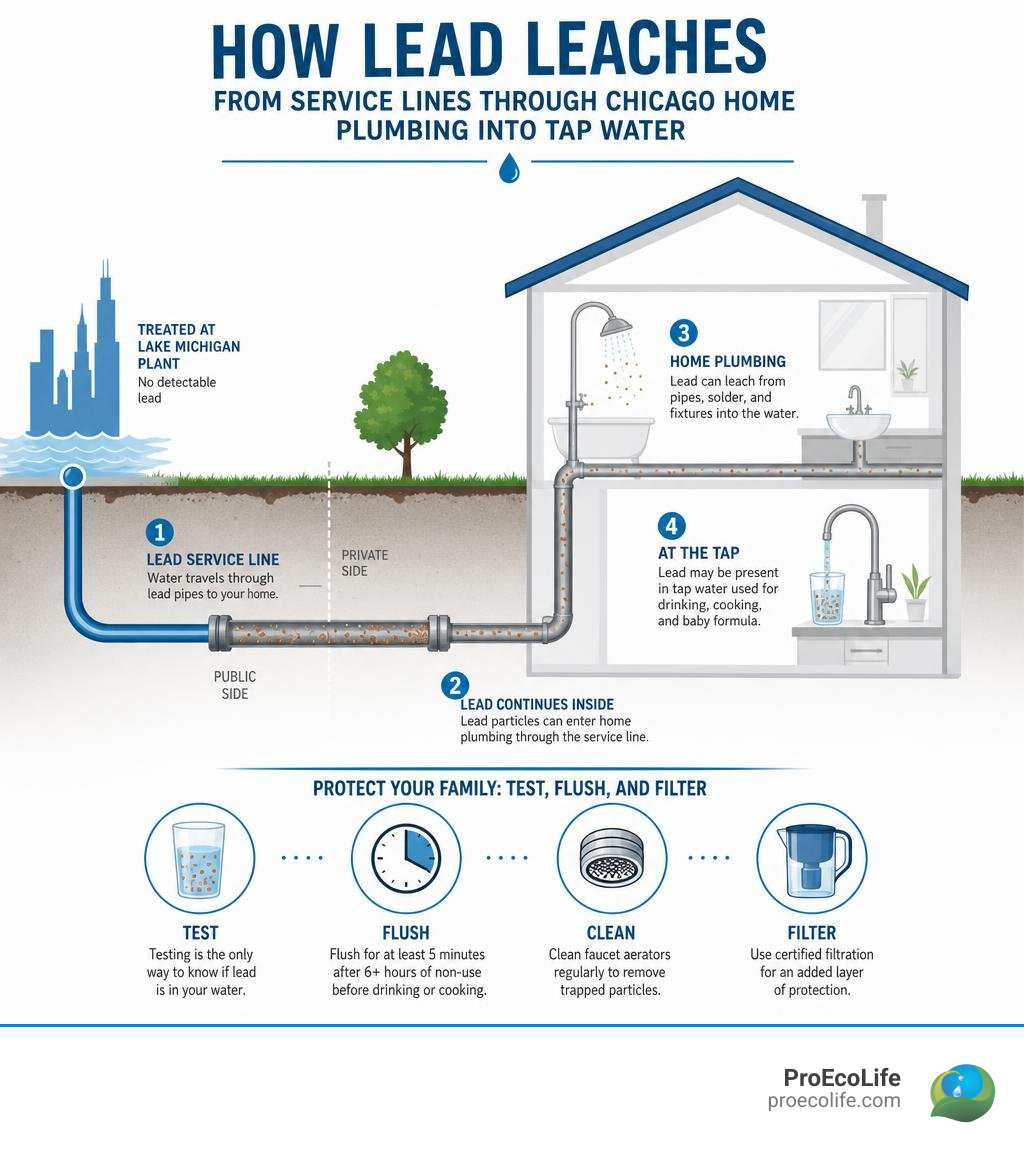
Chicago’s drinking water leaves its Lake Michigan treatment plants with no detectable lead. But the water travels through approximately 412,000 lead service lines before it reaches your tap — more than any other city in the United States. Lead doesn’t change the look, taste, or smell of water. You simply cannot tell it’s there without testing.
The EPA and CDC are clear: there is no safe level of lead exposure, and drinking water can account for 40 to 60 percent of an infant’s total lead intake. For families in older Chicago neighborhoods — from Jefferson Park to Norwood Park to Edison Park — that’s not a distant risk. It’s a daily one.
Understanding Chicago Lead Water Testing Requirements
To navigate the complex landscape of water safety in northeastern Illinois, we have to look closely at the regulatory framework. The chicago lead water testing requirements are designed to identify where lead is entering our homes and to monitor the city’s aging infrastructure. Because Chicago has more lead service lines than any other U.S. city, local testing is the only definitive way to know if toxic metals are leaching into your glass.
While Lake Michigan provides high-quality source water, the journey through municipal mains to your residential tap is fraught with older plumbing. When water sits stagnant in these lead pipes, corrosion occurs, allowing microscopic lead particles to dissolve into the flow. This localized contamination is why water leaving the treatment facility tests clean, yet a faucet in Skokie, Niles, or Norwood Park can yield highly elevated levels of lead.
For a deeper dive into how this infrastructure issue affects our communities, you can read about Chicago’s Risky Water Problem.
How to Navigate Chicago Lead Water Testing Requirements for Residential Properties
If you own or rent a home built before 1986, or live in a classic Chicago two-flat, you are highly likely to have a lead service line. To find out if lead is actively leaching into your tap water, the city provides a testing program.
Residents can request a municipal water testing kit by calling 311 or by submitting an online request. To check the details of this program, you can access the Water Lead Test Kit – Chicago 311 portal.
Once you receive your kit:
- You must avoid using water in your home for at least 6 consecutive hours before taking the sample (most residents do this first thing in the morning).
- Follow the detailed instructions to collect three distinct water samples from your kitchen tap.
- Schedule a pickup or drop off the kit as directed by the Department of Water Management (DWM).
While these municipal kits provide a helpful snapshot of your water quality, they only capture a single moment in time. Lead release can be highly erratic, varying with temperature, water usage patterns, and physical disturbances to the water mains on your street. For a more detailed view of local plumbing conditions, many Chicago-area homeowners choose a Reliable Water Testing Service in Chicago for Your Home or Business to better understand what is happening inside their specific property.
Compliance and Chicago Lead Water Testing Requirements for Daycares and Schools
When it comes to children, the stakes are incredibly high. Lead exposure can cause irreversible developmental delays, learning difficulties, and behavioral problems. Because of these severe risks, Illinois state law mandates strict testing protocols for educational and child care facilities.
Under the LeadCare Illinois program, licensed child care centers, daycares, and schools must comply with mandatory lead-in-water testing. This program provides training, testing materials, and mitigation support to ensure children are protected. If a daycare’s tap water reveals lead levels above the state’s action thresholds, they must immediately implement mitigation plans. This includes taking contaminated taps out of service, providing bottled or filtered water, and working toward permanent plumbing upgrades.
The Lead and Copper Rule and Chicago’s Notification Mandates
The primary federal regulation governing these efforts is the EPA’s Lead and Copper Rule (LCR). The rule establishes a “90th percentile” compliance framework. This means that if more than 10% of tap water samples collected from high-risk homes exceed the action level of 15 parts per billion (ppb) for lead (or 1.3 ppm for copper), the municipal water system must take immediate action to control corrosion and educate the public.
To learn more about the technical guidelines governing these state-level programs, you can review Chapter 4 Lead/Copper Rule and the official administrative code under Section 611.
Service Line Inventory and the Missed Notification Deadlines
Under the federal Lead and Copper Rule Revisions, water utilities across the country were required to compile a comprehensive service line inventory and notify all residents with known or suspected lead pipes by November 16, 2024.
Unfortunately, Chicago missed this critical deadline. With approximately 900,000 residents living in buildings served by lead or unknown service lines, the city had only notified about 7% of affected households by July 2025. Now in July 2026, many residents remain unaware of their risk.
If you want to bypass the city’s administrative delays and check your property’s status immediately, you can learn How to Use the WBEZ Lead Pipe Map to Check Your Chicago Home.
Sampling Protocols and Site Selection Criteria
To comply with federal monitoring, the city cannot just test water anywhere. They must target “Tier 1” sampling sites. These are high-risk locations, specifically single-family homes served by confirmed lead service lines or containing copper pipes with lead solder installed after 1982.
The sampling protocol requires collecting a “first-draw” sample (the very first liter of water out of the tap after it has sat stagnant) and a “fifth-liter” sample, which helps determine if lead is leaching from the service line buried outside the home rather than just the interior household fixtures.
What Happens After a Lead Action Level Exceedance?

If a water system or an individual home test exceeds the 15 ppb action level, immediate protective measures must be taken. While municipal systems work to adjust water chemistry, residents must adopt daily flushing protocols to minimize exposure.
Whenever your water has sat unused for six hours or more, run your cold water tap for at least 5 minutes before using it for drinking, cooking, or preparing baby formula. Additionally, you should regularly unscrew and clean your faucet aerators, as tiny lead flakes can become trapped in the screens and continuously contaminate your water.
Because daily flushing can be highly inconvenient and wastes thousands of gallons of Lake Michigan water, many Chicagoans look for more dependable, professionally specified solutions.
| Action Type | Temporary Flushing Protocols | Certified Filtration Solutions |
|---|---|---|
| Method | Run cold tap for 5+ minutes after 6+ hours of non-use. Clean aerators weekly. | Use a certified multi-stage filtration system at the point of use or entry, selected for the home’s plumbing and water conditions. |
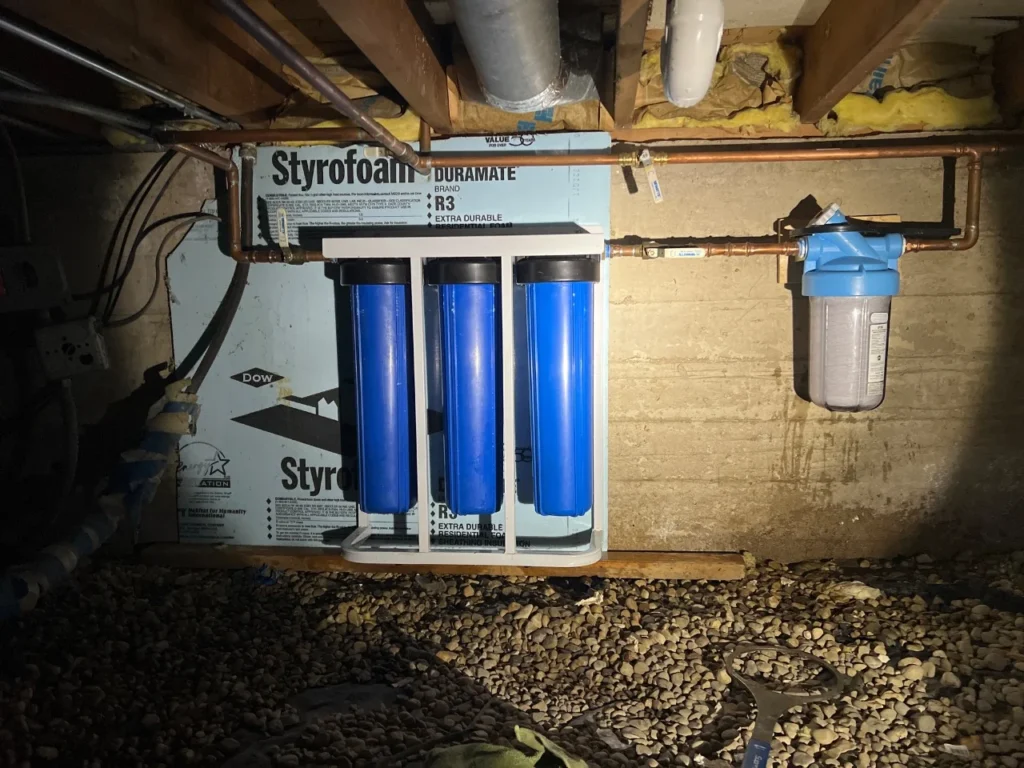
| Pros | No equipment required; clears standing water from immediate plumbing. | Ongoing protection when properly maintained; may help reduce lead, chlorine, and other contaminants. |
| Cons | Extremely time-consuming; wastes water; does not address all lead-release events. | Requires professional installation and periodic filter replacements. |
| Effectiveness | Varies depending on line length and plumbing setup. | Can be highly effective when certified to NSF/ANSI Standard 53; results vary by water chemistry, plumbing, and maintenance. |
Water Quality Parameter Monitoring and Public Education Requirements
When a citywide exceedance occurs, the Illinois EPA requires the municipal water system to conduct intensive Water Quality Parameter (WQP) monitoring. This involves testing pH levels, temperature, and corrosion-inhibitor concentrations (such as orthophosphate) throughout the distribution system. Orthophosphate is added to Chicago’s water to form a protective coating inside the pipes, which may help prevent lead from leaching.
Additionally, the water system must initiate a widespread public education campaign within 60 days of the exceedance. This includes distributing educational materials to customers, partnering with local public health agencies, and providing clear instructions on how families can protect themselves.
Chicago Building Code and Lead Service Line Replacement Programs
The legal standards for plumbing materials in our area are highly regulated. According to Chicago’s municipal code, specifically 18-29-605.3 Lead content of water supply pipe and fittings., all pipes, fittings, and valves must comply with the federal Safe Drinking Water Act. This means that plumbing fittings used for potable water must be virtually lead-free.
To address the hundreds of thousands of lead service lines still buried beneath our streets, the city established official replacement initiatives. You can read the specific legal framework under ARTICLE IX. LEAD SERVICE LINE REPLACEMENT PROGRAMS (11-12-900 et seq.).
Owner-Initiated LSLR vs. Equity LSLR Programs
To help residents replace their lead service lines, the city offers two primary programs, which you can read about in detail under 11-12-910 Owner-Initiated LSLR Program..
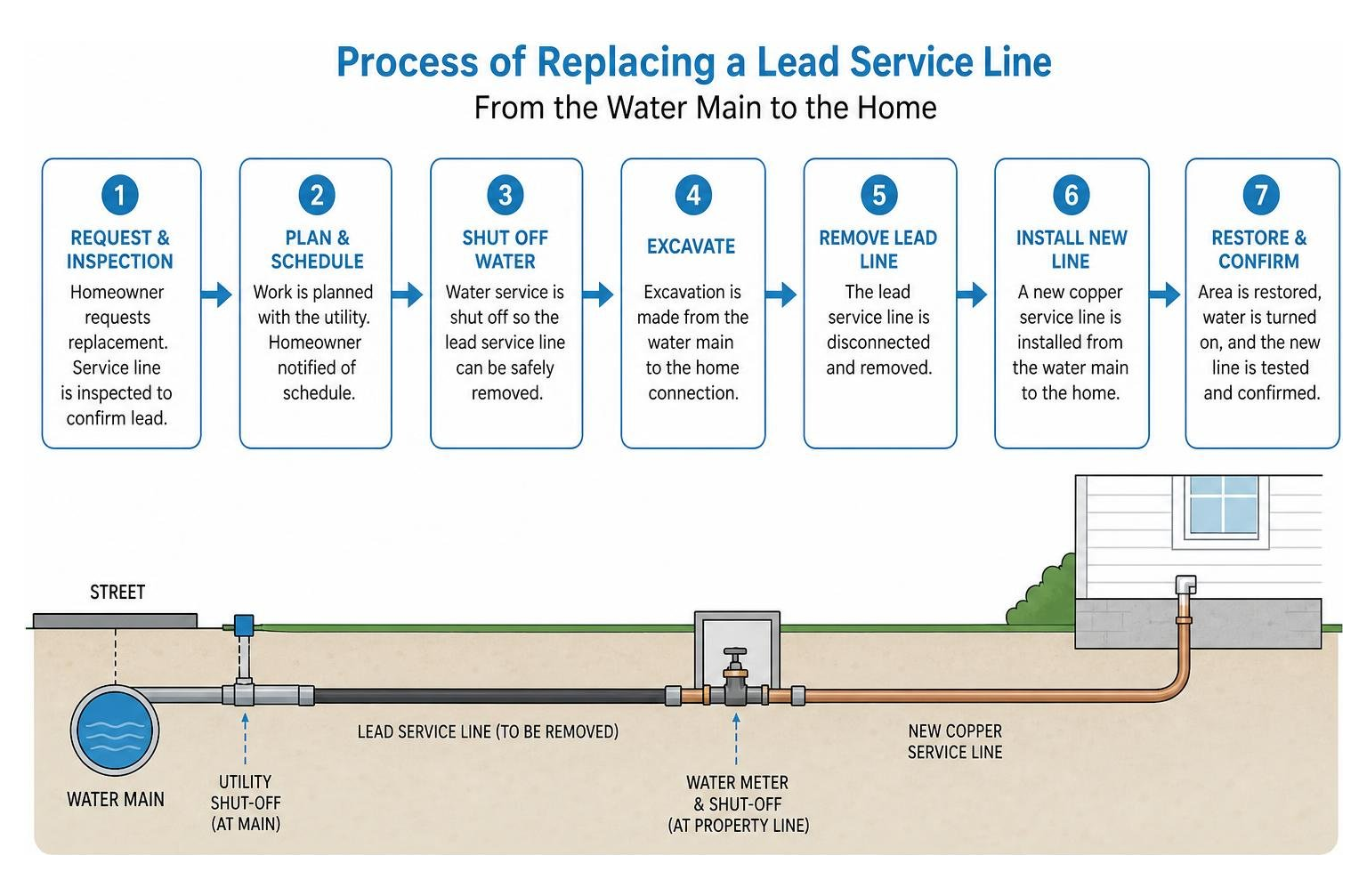
- Owner-Initiated LSLR Program: If a property owner decides to voluntarily replace their lead service line, the city may waive certain permit fees and municipal costs according to program rules. The owner must hire a licensed contractor to perform the work, and the city may provide specified replacement components as part of the program.
- Equity LSLR Program: This program is designed for income-qualified homeowners, including households that meet Area Median Income guidelines. For eligible applicants, the city may provide expanded assistance and coordinate the complete replacement of the lead service line.
While these programs are a step in the right direction, Chicago’s current replacement pace is incredibly slow. At the current rate, it will take approximately 50 years — until roughly 2076 — to replace all 412,000 lead service lines. For families living in Niles, Park Ridge, or Skokie, waiting half a century to address aging lead infrastructure is not a practical plan.
Frequently Asked Questions About Chicago Lead Water
How do I know if my Chicago home has a lead service line?
The safest starting point is to check official records and have the service line evaluated by a licensed plumber or qualified water professional, especially if your home was built before 1986 or you live in an older two-flat, bungalow, or apartment building on Chicago’s Northwest Side.
Older homes in Norwood Park, Edison Park, Jefferson Park, and nearby suburbs often have a higher likelihood of lead or galvanized service lines because of the age of the local infrastructure. You can also consult local municipal guides to see how nearby suburbs handle service line identification, such as Lead Water Service Lines | Skokie, IL, the Lead Service Line Replacement – Park Ridge page, or the advisory on Lead in Drinking Water from Evanston.
Does boiling water remove lead?
No. Boiling water does not remove lead. In fact, boiling water causes some of the water to evaporate, which actually increases the concentration of lead in the remaining liquid. Always use cold, filtered water for drinking, cooking, and preparing baby formula.
What is a practical way to reduce lead exposure in Chicago water?
A practical step is to use a filtration system certified to NSF/ANSI Standard 53 for lead reduction, selected for your home’s plumbing, water use, and local water conditions. In Chicago, that often means accounting for Lake Michigan source water, lead service lines in older neighborhoods, and the hard water many customers notice in Northwest suburbs such as Park Ridge, Niles, Des Plaines, Glenview, Arlington Heights, and Morton Grove.
For kitchen drinking water, ProEcoLife’s proprietary PEL75 9-Stage RO System may help reduce lead, heavy metals, chlorine taste, and other contaminants when properly maintained. For broader household concerns, Whole House Filtration, the Shower Filter System, Well Water Conditioning, and Commercial Water Filtration Systems can be professionally specified based on the property and test results. Results vary by water chemistry, plumbing condition, and maintenance.
To understand which technology is right for your home, read our guide on How to Choose the Best Lead Water Filter in Chicago: A 2026 Guide.
For more details on specific filtration methods, explore these resources:
- Get the Lead Out: How Reverse Osmosis Filters Save Your Tap
- Heavy Metal Meltdown: The Best Way to Remove Lead from Drinking Water
- Lead Filter for Faucet Guide: Heavy Metal Is Only Good for Your Playlist
- Top Rated Reverse Osmosis Systems to Remove Lead from Your Home
- Heavy Metal Detox: The Best Faucet Water Filter for Lead Removal in 2026
- No Lead, No Worries: Your Guide to Lead-Free Drinking Water
- Is Your Water Contaminated?
- Lead Found in Bartlett Drinking Water
- Test Your Water
Conclusion
Navigating chicago lead water testing requirements is an important first step, but testing only identifies the problem — it doesn’t solve it. With the city’s lead pipe replacement timeline stretching over the next several decades, taking immediate, proactive steps is the best way to reduce risk for your family.
At ProEcoLife, we have been dedicated to providing cleaner, safer water to families across Chicagoland since 2014. Founded by Karol Dolega, we specialize in addressing the unique water quality challenges of our region — from the hard water of the Northwest suburbs to the aging lead infrastructure of Chicago’s historic homes.
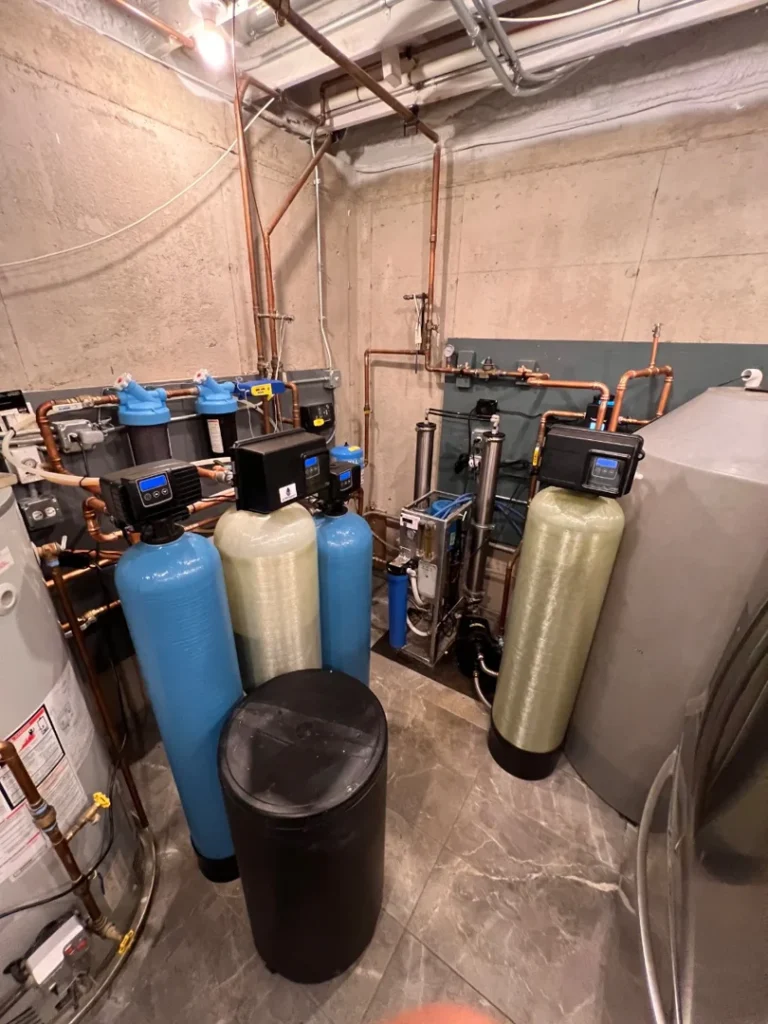
Our proprietary PEL75 9-Stage RO System provides advanced reverse osmosis filtration that may help significantly reduce lead, heavy metals, chlorine, and other contaminants at your kitchen tap. For broader household water-quality concerns, our Whole House Filtration systems can address multiple faucets in your home, while our Shower Filter System, Well Water Conditioning, and Commercial Water Filtration Systems support cleaner water for specific residential and business applications.
We proudly serve homeowners and businesses across Chicago’s Northwest Side (including Norwood Park, Edison Park, and Jefferson Park) as well as nearby suburbs such as Park Ridge, Niles, Des Plaines, Skokie, Glenview, Arlington Heights, and Morton Grove.
If you want to better understand your water quality, we invite you to learn more about the best whole house water filtration systems in Chicago for crystal clear water.
Take control of your home’s water quality today. Contact ProEcoLife to schedule a water test at (312) 889-8888 or visit proecolife.com.