
Is Chicago Tap Water Safe? Here’s What Every Homeowner Should Know
Chicago tap water serves nearly 3 million people every day — making it one of the largest municipal water systems in the entire United States. And on paper, it looks pretty good: sourced from Lake Michigan, treated at world-class purification plants, and tested hundreds of thousands of times each year.
But here’s the honest answer most residents are looking for:
Is Chicago tap water safe to drink?
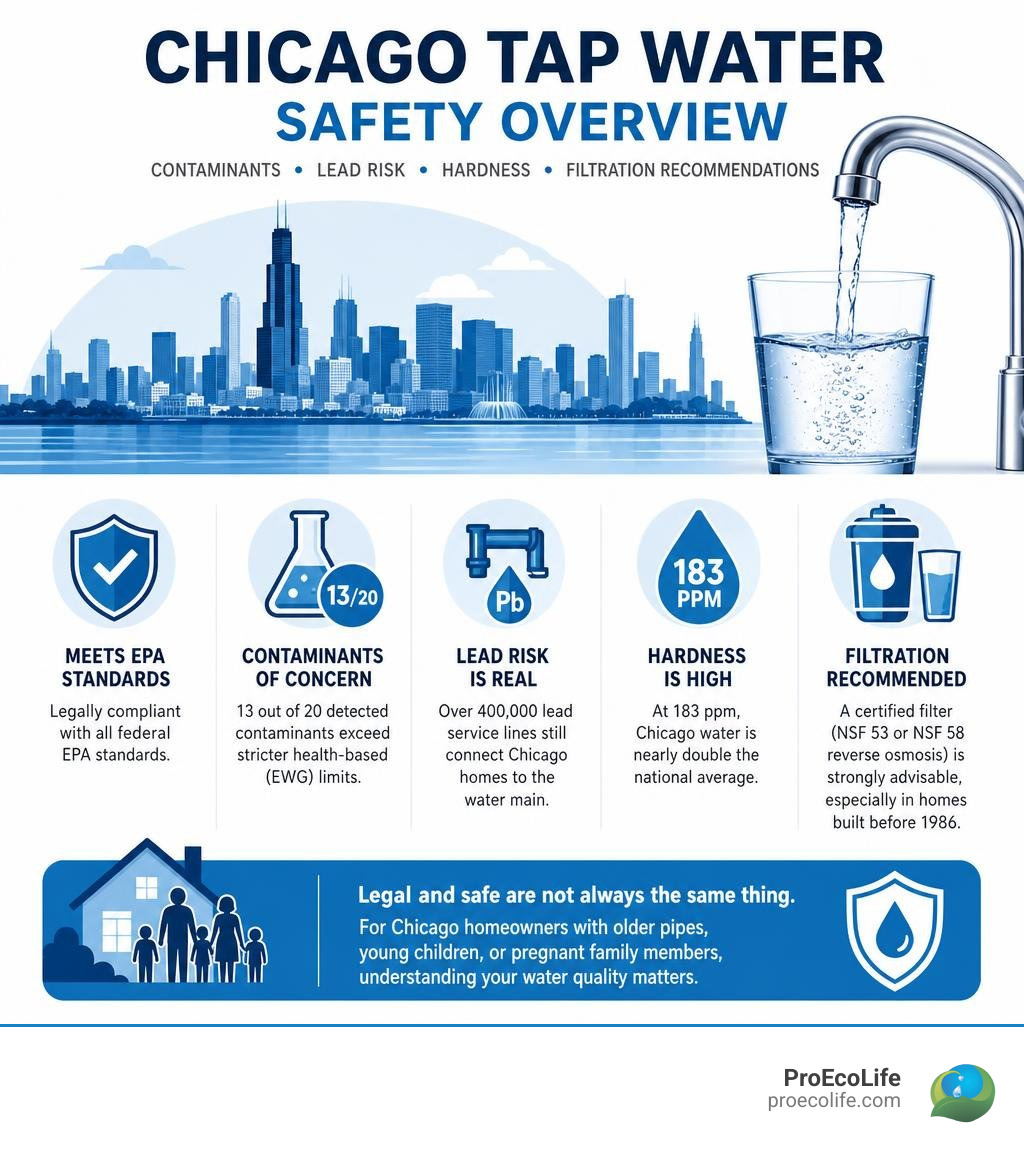
- Meets all federal EPA standards: Yes — Chicago’s water is legally compliant
- Exceeds EWG health-based limits: 13 out of 20 detected contaminants are above stricter health guidelines
- Lead risk is real: Over 400,000 lead service lines still connect Chicago homes to the water main
- Hardness is high: At 183 ppm, Chicago water is nearly double the national average
- Recommended action: A certified filter (NSF 53 or NSF 58 reverse osmosis) is strongly advisable, especially in homes built before 1986
Legal and safe are not always the same thing — and for Chicago homeowners with older pipes, young children, or pregnant family members, that distinction really matters.
This guide breaks down exactly what’s in your water, where the real risks are, and what you can do to protect your family.
Chicago tap water definitions:
Where Does Chicago’s Water Come From?
To understand what is in our drinking water, we have to look at where it starts. The source for 100% of Chicago’s municipal water is Lake Michigan, one of the five Great Lakes and the only one located entirely within the United States.
The City of Chicago Department of Water Management (DWM) is responsible for drawing this raw lake water, purifying it, and distributing almost one billion gallons of clean drinking water every single day to residents of Chicago and 120 surrounding suburbs.
To handle this massive volume, the city operates two primary purification facilities:
- The Jardine Water Purification Plant: Located just north of Navy Pier, this is the largest water purification plant in the world. It primarily services the northern and central portions of the city, including Northwest Side neighborhoods like Jefferson Park, Norwood Park, and Edison Park, as well as northern suburbs like Park Ridge, Skokie, Niles, and Glenview.
- The Sawyer Water Purification Plant: Located on the South Side, this facility handles purification for Chicago’s southern neighborhoods and southern suburbs.
At these plants, the water undergoes a rigorous multi-step treatment process. The DWM performs over 600,000 chemical and physical analyses per year—including over 200,000 tests throughout the distribution system—to ensure compliance with federal and state regulations.
As part of this treatment process, several key chemicals are added:
- Chloramine: A combination of chlorine and ammonia used for residual disinfection. Because Chicago has a massive distribution network, chloramine is preferred over free chlorine because it remains stable and active for longer as the water travels through miles of underground water mains.
- Fluoride: Added at approximately 0.7 to 0.78 ppm to help prevent dental cavities, in line with state and federal recommendations.
- Orthophosphate: Added as a critical corrosion control agent. Orthophosphate creates a protective coating on the interior of pipes, which may help prevent lead from leaching from older service lines into our drinking water.
The Journey from Lake Michigan to Your Tap
The journey of your drinking water starts miles away from your kitchen faucet. Raw water is drawn from massive offshore intake structures called “cribs,” situated two to four miles out in Lake Michigan. Placing these intakes so far offshore helps the city draw the deepest, coldest, and cleanest water possible, away from shoreline pollution and runoff.
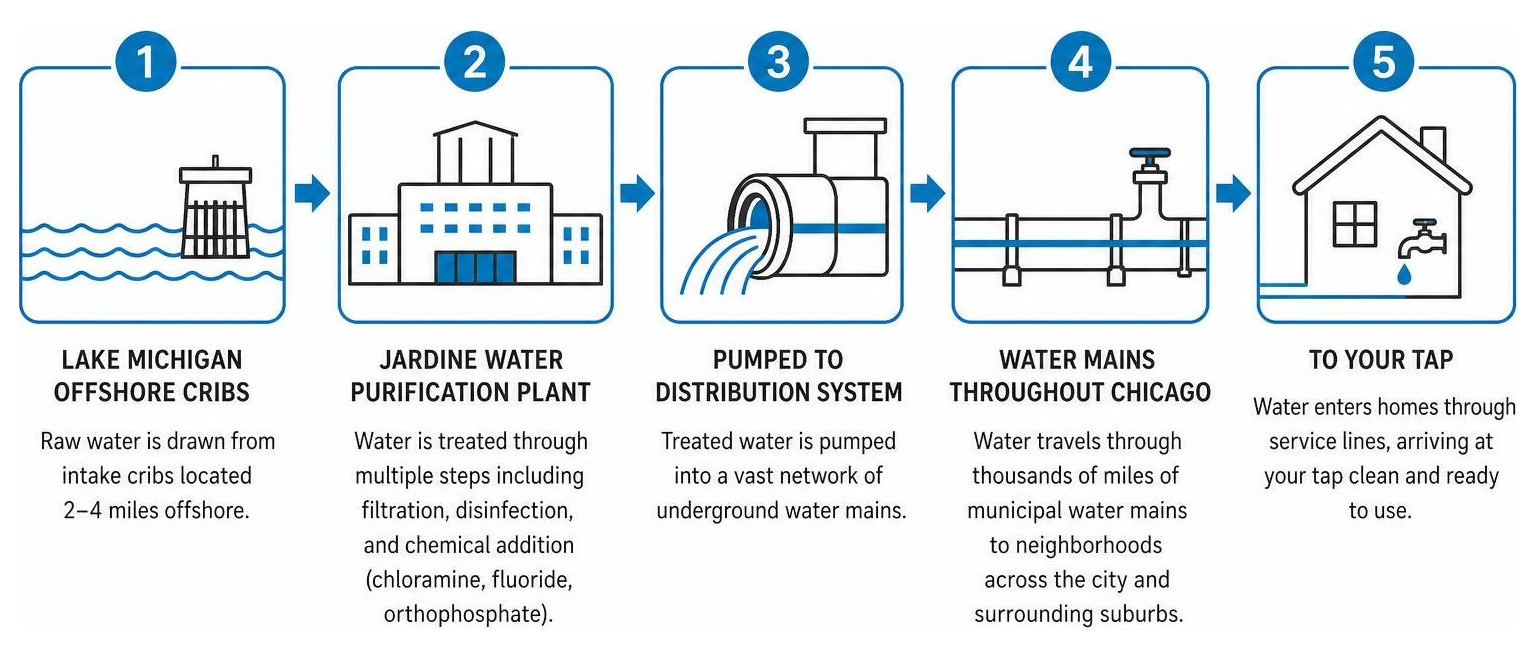
Once drawn into the purification plants, the water is filtered, treated, and pumped through thousands of miles of water mains. While the water leaving the Jardine or Sawyer plants is exceptionally clean and meets all federal standards, the real issues begin during the final leg of the journey: the transit through municipal water mains and the private service lines connecting those mains to our homes.
If you’ve ever wondered about the general risks of drinking municipal water, you can read more about whether is it safe to drink tap water? to understand the broader context of municipal treatment limitations.
Need Clean, Safe Water at Home?
Get a free water test at your home or business. We install and service whole-house filtration and PEL75 reverse osmosis systems across Chicagoland. We also take select projects in Wisconsin and Indiana.
Book a Free Water TestCall (312) 889-8888Is Chicago Tap Water Safe to Drink?
If you ask the City of Chicago, the answer is a resounding yes. The city’s official WATER QUALITY REPORT shows that Chicago’s water consistently meets or exceeds all standards set by the U.S. Environmental Protection Agency (EPA).
However, independent environmental organizations paint a very different picture. The Environmental Working Group (EWG) evaluates water safety based on strict, science-based health guidelines rather than outdated federal legal limits. Many EPA standards have not been updated in decades, meaning a contaminant can be perfectly “legal” while still posing long-term health risks.
According to EWG test results, 20 contaminants were detected in Chicago’s water system, with 13 of those contaminants found at levels exceeding EWG’s health-based guidelines. This gap between legal compliance and health safety is why some independent water quality databases give Chicago’s water a “C” grade (41/100), labeling it as below-average in terms of chemical purity.
To learn more about how our state compares nationally on a regulatory level, take a look at our guide on why Illinois one of worst contaminated water states. For a deeper dive into the specific chemical profiles, you can also check out the Chicago Water Quality Report 2026 for the latest updates.
Chemical Contaminants in Chicago Tap Water
The chemical contaminants detected in Chicago’s water supply range from industrial runoff to byproducts of the municipal treatment process itself. Understanding these chemicals is the first step in protecting your home:
- Disinfection Byproducts (DBPs): Remarkably, 9 out of the 13 contaminants that exceed EWG health guidelines in Chicago are disinfection byproducts. When chlorine or chloramine reacts with naturally occurring organic matter in Lake Michigan water, it creates toxic compounds like Total Trihalomethanes (TTHMs) and Haloacetic Acids (HAA5). In 2016, the locational running annual average for TTHMs was 25.7 ppb (well below the legal MCL of 80 ppb, but significantly above health goals), and HAA5 was 14.0 ppb (below the MCL of 60 ppb). Long-term exposure to DBPs has been linked to an increased risk of bladder cancer and reproductive issues, including low birth weight in newborns.
- Hexavalent Chromium (Chromium-6): Famously known from the movie Erin Brockovich, hexavalent chromium is a toxic heavy metal that enters our water supply through legacy industrial discharges, such as historical steel operations near Lake Michigan tributaries. Chromium-6 was detected in Chicago’s water at almost 10 times the EWG’s health-based guideline. It is a known carcinogen when inhaled or ingested over long periods.
- Nitrate: Commonly associated with agricultural runoff, nitrate can also enter urban water systems through upstream wastewater discharges. In Chicago, nitrate is found at levels two times higher than the EWG health guideline (though still below the federal legal limit of 10 ppm; in 2016, the highest detected level was 0.46 ppm). High nitrate levels are particularly dangerous for infants, as they can interfere with the blood’s ability to carry oxygen.
- Radium: Radium is a naturally occurring radioactive element found in deep rock formations. Chicago’s tap water contains radium at levels 18 times higher than the EWG health guideline, posing a small but cumulative risk of bone cancer over a lifetime of ingestion.
If these statistics leave you wondering about your own home’s safety, you can read our detailed article: Is your water contaminated? to learn how to identify these invisible chemical risks.
The Lead Service Line Crisis in Chicago Homes
While chemical runoff and disinfection byproducts are serious concerns, the single biggest water safety issue facing Chicagoans is lead.
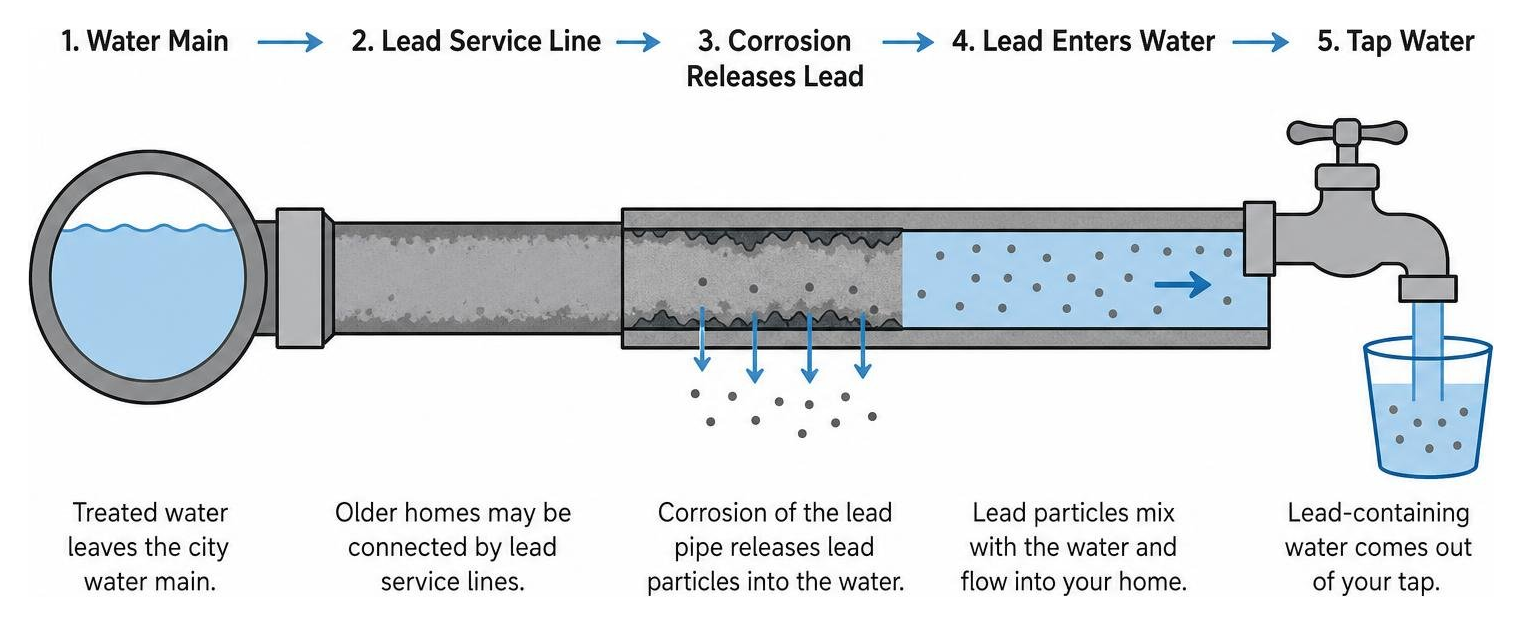
Chicago has the dubious distinction of having more lead service lines than any other city in the United States. There are an estimated 400,000+ confirmed or suspected lead service lines connecting water mains to residential properties.
How did this happen? Until the federal government banned lead pipes in 1986, Chicago’s municipal plumbing code actually mandated the use of lead pipes for service lines connecting homes to the city water mains. This means that if your home or two-flat on the Northwest Side (such as in Dunning, Portage Park, or Norwood Park) or in older parts of suburbs like Park Ridge or Des Plaines was built before 1986, there is a very high probability that you have a lead service line.
The scale of this crisis is staggering. A March 2024 study by Johns Hopkins researchers estimated that approximately 68% of Chicago children under the age of 6 are exposed to lead-contaminated tap water. Despite federal mandates requiring cities to notify residents of lead risks, progress has been slow; by mid-2025, only a small fraction of affected residents had received official notifications.
Furthermore, while the federal EPA has set strict timelines for lead pipe replacement, Chicago’s self-submitted replacement plan targets completion by 2076—decades behind federal goals.
For a deeper understanding of the scope of this problem, check out the Chicago Tap Water Quality Report 2026 and our local analysis on Chicagos risky water problem.
The Reality of Lead in Chicago Tap Water
Lead is a potent neurotoxin. The EPA and medical professionals agree that there is no safe level of lead exposure, especially for infants, young children, and pregnant women. Lead exposure can cause irreversible brain damage, learning disabilities, lower IQ, and behavioral issues in children, as well as kidney damage and cardiovascular issues in adults.
Because lead is tasteless, odorless, and invisible, you cannot tell if it is in your water without testing.
While 90 percent of tested Chicago households had lead concentrations below the federal action level of 15 ppb in recent testing cycles, Chicago’s average lead levels remain 149% higher than the national average.
The city adds orthophosphate to prevent lead from dissolving into the water, but this protective coating can easily be disrupted. Physical vibrations from nearby street construction, water main replacements, or even heavy traffic can break the scale inside the pipes, causing temporary spikes of pure lead particles to enter your tap water.
To help residents, the city offers free lead testing kits through its 311 service. However, testing only provides a snapshot in time—it does not guarantee that your water will remain lead-free tomorrow. For a complete guide on how to navigate this issue locally, read A practical guide to Chicago lead water levels.
Need Clean, Safe Water at Home?
Get a free water test at your home or business. We install and service whole-house filtration and PEL75 reverse osmosis systems across Chicagoland. We also take select projects in Wisconsin and Indiana.
Book a Free Water TestCall (312) 889-8888Understanding Water Hardness and Aesthetics in the Chicago Area
Beyond chemical and heavy metal contaminants, many residents struggle with the daily aesthetic and practical challenges of hard water.
Water hardness is determined by the concentration of dissolved calcium and magnesium. Chicago tap water is classified as very hard, averaging 183 ppm (10.7 grains per gallon). For comparison, the national average is around 100 ppm.
This high mineral content has several noticeable effects on your home:
- Scale Buildup: White, chalky mineral deposits on showerheads, faucets, and glassware.
- Appliance Wear: Reduced efficiency and shortened lifespan for water heaters, dishwashers, and washing machines.
- Skin and Hair Dryness: Hard water prevents soaps from lathering properly, leaving a film on your skin that can worsen dryness, eczema, and leave hair feeling brittle.
While hard water is not considered a direct medical health threat, it is a significant nuisance that can cause costly damage to household plumbing and appliances.
Common Aesthetic Issues: Smell, Taste, and Cloudiness
Have you noticed your water looking cloudy or smelling a bit strange? These aesthetic issues are common in the Chicago area:
- Chlorine or Chemical Smell: Because the city uses chloramine for residual disinfection to keep water safe from bacteria over miles of transit, many residents notice a distinct swimming-pool-like smell. This is often more pronounced in warmer weather or if you live close to a major pumping station.
- Earthy or Musty Odors: During the late summer and early autumn, Lake Michigan experiences seasonal algae blooms. While the municipal plants successfully kill the algae, harmless organic compounds (like geosmin) remain in the water, giving it a temporary earthy or musty taste and smell.
- Cloudy or White Water: If your water looks milky or cloudy when first poured but clears up from the bottom of the glass within a minute or two, don’t panic. This is simply caused by tiny, harmless air bubbles trapped in the pipes, which is especially common during cold winter months when water temperatures change rapidly.
To learn more about how to address these everyday issues, explore our practical tips on How you can safely drink the tap water.
Advanced Filtration Solutions for Chicago Homes
With lead risks, seasonal algae smells, heavy chloramine disinfection, and high mineral hardness, many Chicago families realize that standard tap water isn’t meeting their standards.
When looking at filtration, there are two primary approaches:
- Point-of-Use (POU) Systems: These are installed at a single faucet (typically the kitchen sink) to purify drinking and cooking water.
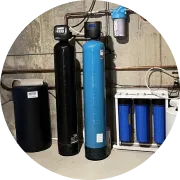
- Whole-House Systems: These treat all water entering the home, protecting your appliances, showers, and toilets from sediment, chlorine, and hardness.
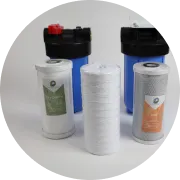
Many basic carbon filters (like refrigerator filters or standard pitcher filters) are only rated to improve taste and odor. They do not have the capability to remove heavy metals like lead, or difficult chemical contaminants like chromium-6 and nitrate. To remove these, you need advanced filtration.
| Filtration Technology | Removes Chlorine & Odor? | Removes Lead (NSF 53)? | Removes Radium & Chromium-6 (NSF 58)? | Softens Hard Water? |
|---|---|---|---|---|
| Standard Carbon Pitcher | Yes | No (Unless certified) | No | No |
| Under-Sink Carbon Block | Yes | Yes (If certified) | No | No |
| Reverse Osmosis (RO) | Yes | Yes | Yes | Yes (Partially) |
| Whole-House Filtration | Yes | Yes (At entry) | No | No (Needs Softener) |
For a comprehensive breakdown of the different filtration technologies available for your home, read A comprehensive guide to Chicago water filters.
How to Filter and Purify Chicago Tap Water
At ProEcoLife, we have spent years studying the unique water profile of the Chicago area. We design and install high-performance water treatment systems tailored specifically to address Lake Michigan’s hard water and the city’s aging infrastructure.
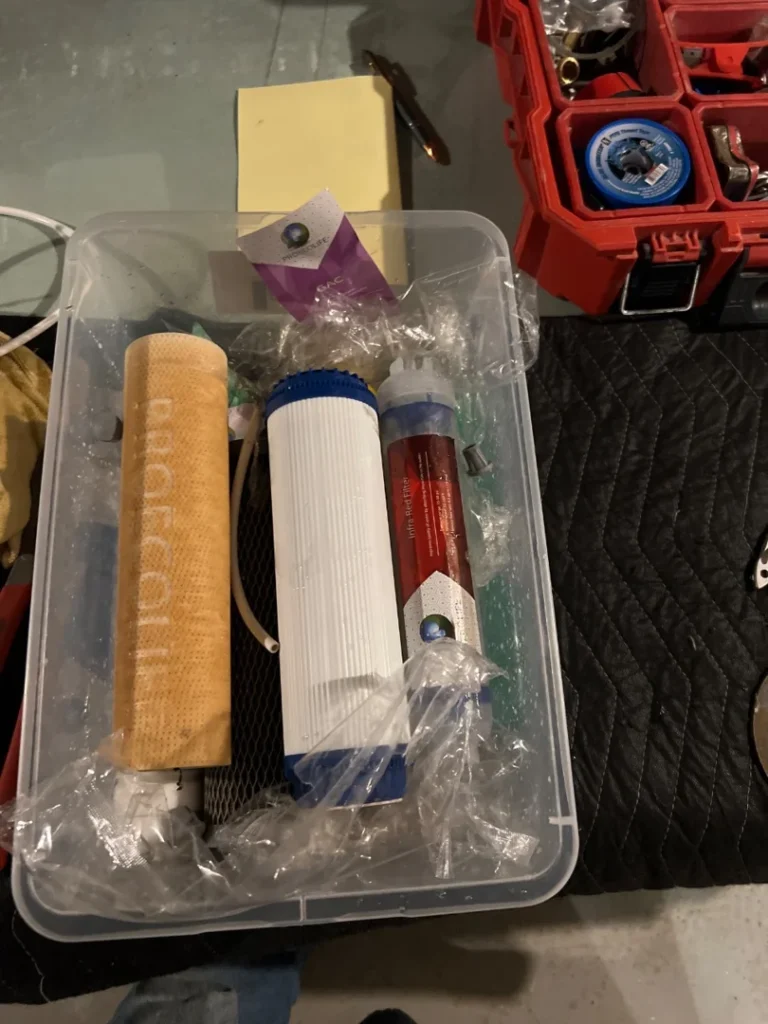
- PEL75 9-Stage RO System: Our flagship under-sink reverse osmosis system. It is designed to provide maximum protection against lead, hexavalent chromium, nitrate, radium, and disinfection byproducts, ensuring your drinking water is pure and tastes great.
- Whole House Filtration: This system treats your water at its point of entry, removing chlorine, chloramine, and sediment before it reaches any tap in your home.
- Shower Filter System: Protects your skin and hair from the drying effects of municipal chlorine and chloramines.
- Well Water Conditioning: For properties in the outer suburbs that rely on private wells rather than Lake Michigan water, we offer specialized conditioning to manage iron, sulfur, and extreme hardness.
To find the perfect setup for your home, explore our dedicated Chicago water filter system options.
Frequently Asked Questions About Chicago Water
Why does my Chicago tap water smell like chlorine?
Chicago’s water utility uses chloramine (a mixture of chlorine and ammonia) to disinfect the water supply and prevent bacterial growth as it travels through the city’s vast water main network. This smell is more noticeable during warm summer months or if you live near a municipal pumping station. While it is necessary for biological safety, you can easily reduce this taste and smell using a high-quality carbon filter.
How do I know if my Chicago home has a lead service line?
If your home or two-flat was built before 1986, there is a very high likelihood that it has a lead service line. You can check your address using Chicago’s official online service line lookup tool, request a free water testing kit by calling 311, or perform a visual inspection of the pipe entering your home (lead is dull grey, soft enough to scratch easily with a coin to reveal a shiny silver color, and non-magnetic).
What is the best water filter for Chicago tap water?
For comprehensive protection against Chicago’s primary contaminants—specifically lead, chromium-6, radium, and disinfection byproducts—an under-sink reverse osmosis system certified to NSF/ANSI Standard 58 is highly recommended. Standard carbon block filters certified to NSF Standard 53 can help reduce lead and chlorine, but they do not remove dissolved solids, radium, or chromium-6. To understand the differences, read our guide on How to choose a water filter.
Conclusion
Sourced from the deep waters of Lake Michigan and processed through some of the largest treatment facilities in the world, Chicago’s water starts as a high-quality resource. However, by the time it travels through miles of aging water mains and enters your home through outdated lead service lines, its quality can change significantly.
With very hard water, elevated levels of disinfection byproducts, and the nation’s largest concentration of lead pipes, relying on basic municipal treatment is often not enough to guarantee peace of mind for your family.
At ProEcoLife, founded by Karol Dolega, we have been proud of our deep Chicago roots since 2014. We specialize in helping homeowners throughout Chicago’s Northwest Side neighborhoods—including Norwood Park, Edison Park, and Jefferson Park—as well as surrounding suburbs like Park Ridge, Niles, Des Plaines, Skokie, Glenview, Arlington Heights, and Morton Grove, take control of their home’s water quality.
Whether you want to protect your family’s health, safeguard your home’s plumbing, or simply enjoy crisp, clean drinking water straight from the tap, we are here to help. To learn more about maintaining a healthy home, read our guide on How to keep your drinking water safe or Learn how reverse osmosis works to see our technology in action.
Ready to find out what is really coming out of your kitchen faucet? Contact ProEcoLife today to schedule a comprehensive water test by visiting us online at proecolife.com.