
Why Chicago Lead Water Testing Services Matter for Your Home
Chicago lead water testing services can help homeowners find out whether lead may be entering water between the city main and the tap. Chicago water leaves treatment plants with no detectable lead, but aging service lines and indoor plumbing can add lead before water reaches your glass.
Chicago has roughly 412,000 lead service lines, more than any other U.S. city. Full replacement is not expected until 2076, so testing is a practical first step for families in older homes, especially homes built before 1986.
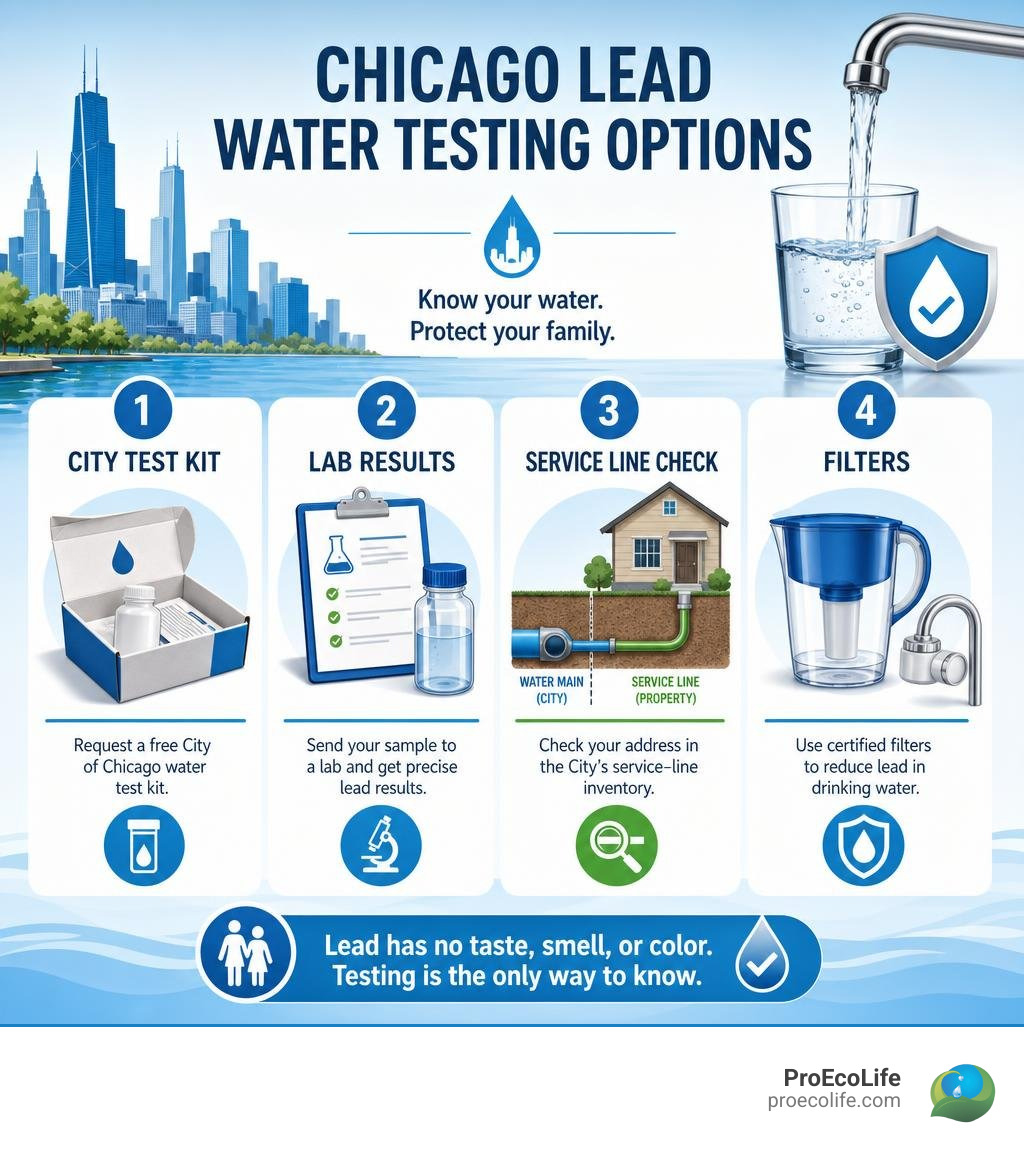
For a quick answer, Chicago residents can:
- Check the City’s service-line inventory by address.
- Request a City of Chicago water test kit through CHI 311 or the Department of Water Management.
- Consider professional tap-water testing when they need fixture-specific sampling, help interpreting results, or testing for other concerns.
- One test is a snapshot: lead levels can vary based on water use, plumbing condition, and how long water sat in pipes.
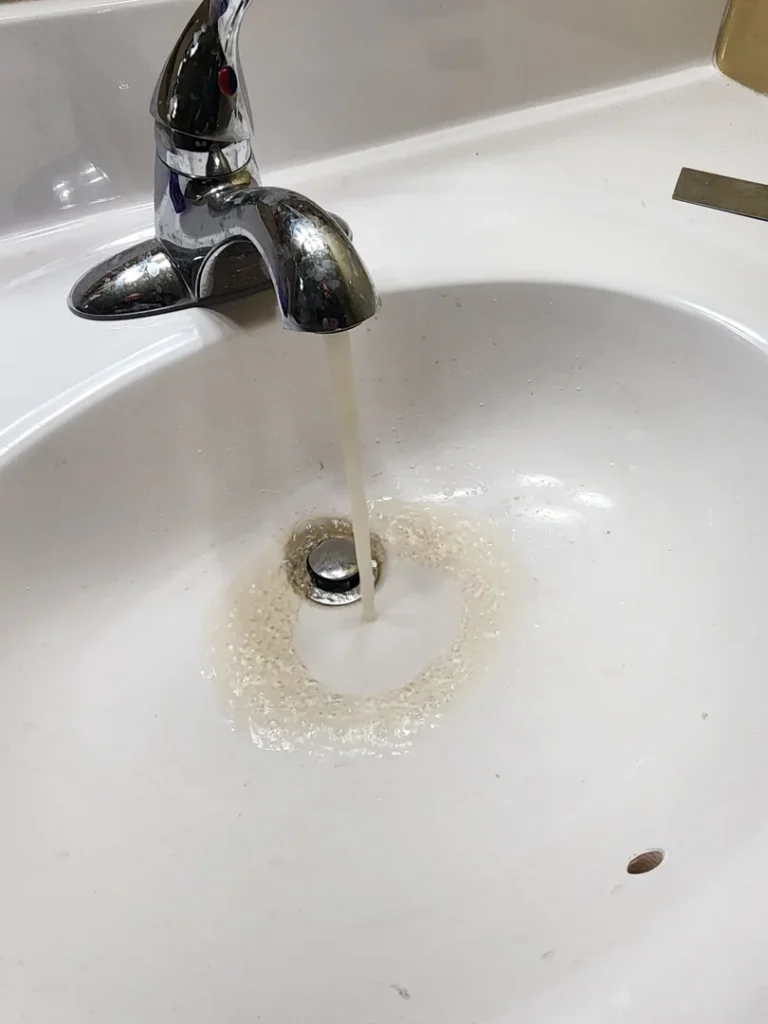
Lead has no taste, smell, or color. That makes lab testing more useful than judging water by appearance. It is especially important for households with infants, young children, or pregnant people because drinking water can account for an estimated 40% to 60% of an infant’s lead exposure.
Simple chicago lead water testing services word guide:
- chicago lead water levels
- chicago water testing requirements
- chicago water pipe crisis and replacements
Identifying Lead Lines and Navigating Chicago Lead Water Testing Services
Understanding how tap water travels into your home is essential when evaluating water quality across the Chicagoland area. When water leaves the Department of Water Management (DWM) purification plants at Jardine or Eugene Sawyer (South Water), it is purified to strict federal standards and contains no detectable lead. However, as it travels through municipal mains and branches off toward individual properties, it passes through the water service line – the pipe connecting the street main to your indoor water meter.
In Chicago, if your single-family home, two-flat, or small multi-unit building was constructed prior to 1986, there is a very high probability that this service line is made of solid lead. In fact, federal building codes allowed lead pipes until 1986, and local ordinances in Chicago actually required lead service lines until the early 1980s. When water rests stagnant inside these lines overnight or during the workday, lead particles can dissolve into the supply.
Since establishing ProEcoLife in 2014, our founder Karol Dolega has emphasized local water education rooted in Chicago’s unique infrastructure realities. From classic brick bungalows in Norwood Park and Edison Park to older residential properties in Jefferson Park and neighboring communities like Park Ridge, Niles, and Skokie, home water quality depends heavily on the age and material of your service pipe.
Public vs. Private Pipe Ownership and How to Check Your Lines
A critical aspect of service line management in Chicago is the division of pipe ownership. The water service line is split into two distinct sections:
- Public Service Line: The portion of the pipe extending from the city water main in the street to the property line, or parkway shutoff valve, known as the b-box.
- Private Service Line: The portion of the pipe continuing from the property line through your yard and foundation wall into your basement or mechanical room.
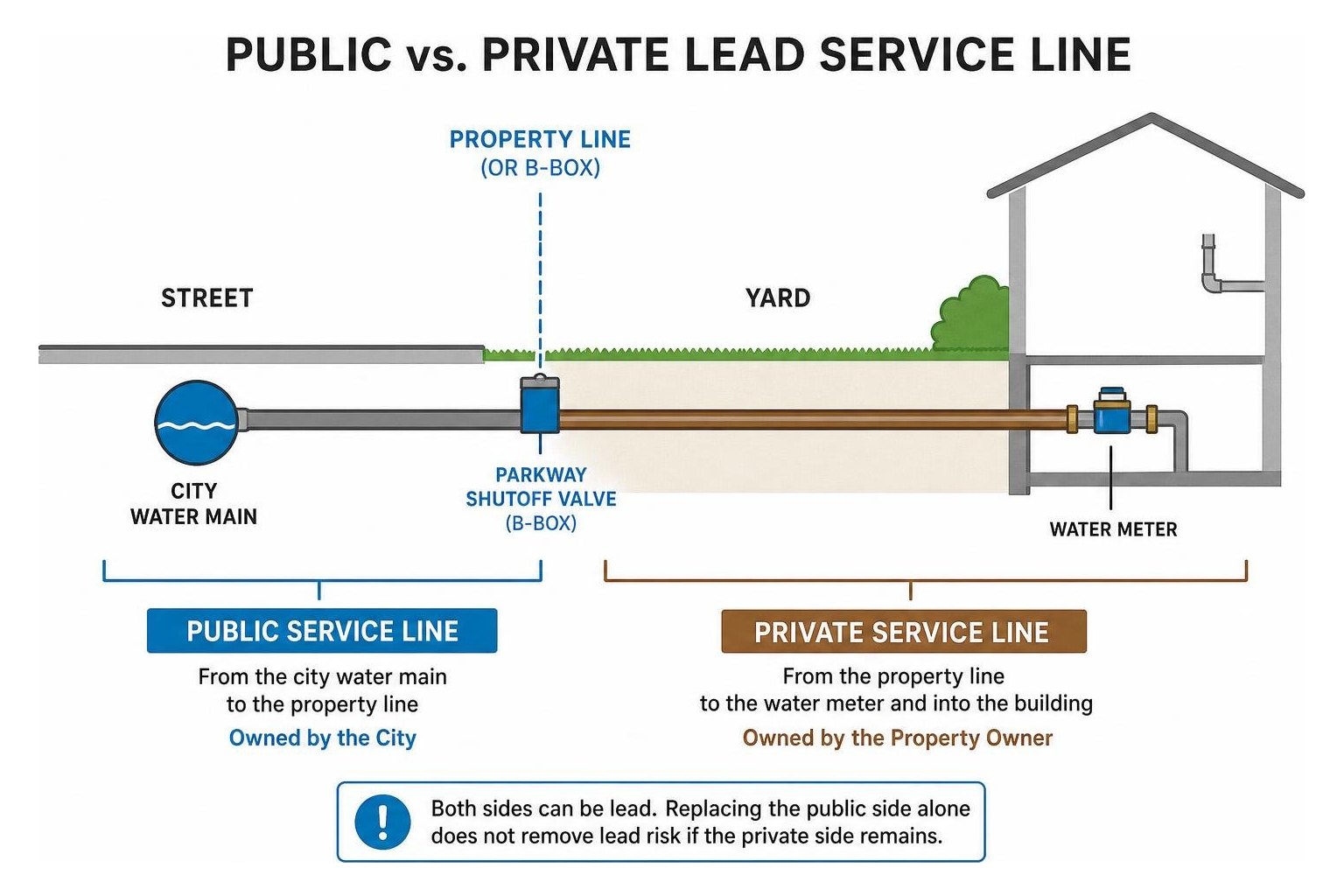
Because ownership is divided, replacing the public side alone does not eliminate the lead risk if the private portion remains intact. Furthermore, disturbing one side during municipal repairs can release lead spikes into household water.
To verify what material brings water into your building, residents can review the City of Chicago service line inventory by address and consider a professional plumbing or water-quality inspection, especially in older homes where pipe materials may be mixed or difficult to identify. A trained technician can evaluate the visible service entry area near the basement wall, floor, or water meter without relying on homeowner-performed pipe tests.
For additional insight into local infrastructure maps, explore Lead Pipes Are Everywhere in Chicago – Inside Climate News and review our practical resource on A Practical Guide to Chicago Lead Water Levels.
Municipal Kit Options vs. Professional Chicago Lead Water Testing Services
Chicago residents have multiple routes available to analyze their tap water. The City of Chicago offers a municipal sampling program through the Department of Water Management, which can be requested via the CHI 311 portal.
When you request a municipal kit through Water Lead Test Kit – CHI 311, the city mails three sample bottles with specific instructions:
- Water must sit unused in household pipes for a minimum of 6 stagnation hours, typically overnight.
- Bottle 1 measures immediate water sitting in the faucet fixture.
- Bottle 2 measures water sitting inside interior copper or brass pipes.
- Bottle 3 measures water sitting inside the service line out to the street.
Once filled according to the city’s directions, the bottles are set out for city pickup and analyzed by certified public laboratories. You can learn more about this workflow in our detailed guide on DWM Water Test Kit: How to Test Your Chicago Tap Water.
While municipal test kits offer valuable basic data, single-point municipal tests have inherent limitations. Water sampling on a single morning provides a temporary snapshot. Changes in seasonal temperatures, local construction vibration, pipe scale flaking, or daily flow volume can cause lead concentrations to fluctuate widely from week to week.
Professional chicago lead water testing services provide comprehensive, multi-fixture analysis. Experienced water specialists evaluate specific taps throughout the entire house, examine water hardness levels – which are particularly prominent in nearby suburban areas like Des Plaines, Glenview, and Arlington Heights – and evaluate broader water parameters such as total dissolved solids (TDS), chlorine residuals, and heavy metals.
Need Clean, Safe Water at Home?
Get a free water test at your home or business. We install and service whole-house filtration and PEL75 reverse osmosis systems across Chicagoland. We also take select projects in Wisconsin and Indiana.
Book a Free Water TestCall (312) 889-8888Understanding Lead Action Levels and City Filter Eligibility
The United States Environmental Protection Agency (EPA) sets the official action level for lead in public drinking water at 15 parts per billion (ppb). If water samples exceed 15 ppb, water utilities are required to notify consumers and implement public health protection protocols. However, health organizations like the CDC and EPA emphasize that there is no known safe level of lead exposure for human health, particularly for developing nervous systems in infants and children.
In Chicago, data collected during municipal meter installation initiatives revealed that approximately 7.1 percent of metered test homes registered lead levels above the 15 ppb threshold. Because meter installation and main construction disturb old lead service lines, lead particles can break off and enter home plumbing networks.

To help protect residents, the city established filter eligibility criteria. Properties may qualify for municipal filter equipment if:
- Official municipal water test results show lead concentrations exceeding 15 ppb.
- The property was enrolled in the municipal MeterSave program.
- Active municipal water main or sewer line replacement work is taking place on the immediate block.
Additionally, two-flat residential structures often feature unit-specific eligibility under city quality study programs. To review resident rights and municipal guidelines, read Get the Lead Out: A Resident’s Guide to Chicago Water Testing.
Action Steps for High Test Results Exceeding 15 Parts Per Billion
If laboratory results confirm that your home tap water exceeds the 15 ppb action level, taking prompt, structured steps helps safeguard your family’s health:
- Schedule a Follow-Up Inspection: The city may schedule a technician visit to inspect your water connection and verify sampling procedures.
- Implement Certified Point-of-Use Filtration: Immediately stop drinking untreated tap water. Utilize filtration devices certified under NSF/ANSI Standard 53 for lead reduction or NSF/ANSI Standard 58 for reverse osmosis purification.
- Consult Healthcare Professionals: If young children, infants, or pregnant women reside in the home, speak with your pediatrician or family physician regarding blood lead level (BLL) screening.
- Avoid Heat-Based Misconceptions: Never use warm or hot tap water for drinking, cooking, or formulating infant milk, as warm water dissolves lead from pipes much faster than cold water.
Residents seeking further advice on handling elevated household test readings can refer to Is There Lead in Your Faucet? Get a Chicago Water Test Kit Today!.
Need Clean, Safe Water at Home?
Get a free water test at your home or business. We install and service whole-house filtration and PEL75 reverse osmosis systems across Chicagoland. We also take select projects in Wisconsin and Indiana.
Book a Free Water TestCall (312) 889-8888Effective Strategies to Reduce Lead Exposure in Drinking Water
While long-term pipe replacement remains the absolute solution for lead-free water, day-to-day water-use habits and professionally selected filtration may help minimize immediate risk.
First and foremost is the Cold Water Rule. Public health agencies commonly advise using cold tap water rather than hot tap water for water that will be consumed, including water for beverage pitchers, cooking, or coffee. Hot water systems may accelerate the leaching of heavy metals from brass fixtures and pipe solder joints into the water stream.
Second, faucet aerators should be kept in proper condition. The aerator is the small mesh screen screwed onto the tip of a kitchen or bathroom faucet. Over time, minute metal fragments, mineral scale, and lead particles can accumulate behind this screen. Instead of treating aerator cleaning as a one-time fix, homeowners with older plumbing may want this area reviewed during routine plumbing maintenance or a professional water-quality visit.
A widespread misconception among homeowners is that boiling tap water removes lead. Boiling tap water does not remove lead. Because water evaporates during boiling while lead remains behind, boiling water can concentrate lead levels in the remaining liquid.
Flushing Protocols for Household Pipes
Flushing stagnant water out of plumbing before consumption is another risk-reduction practice referenced by public health agencies and water utilities. When water rests stationary inside lead service lines overnight, metal ions can migrate into the water. Bringing in fresh water from the main beneath the street may reduce the amount of stagnant water reaching a drinking glass, although results vary by service-line material, pipe scale, fixture condition, and recent construction activity.
The appropriate flushing approach depends on whether a property has a lead service line and whether nearby construction or plumbing work has disturbed old pipe scale:
| Home Plumbing Configuration | Recommended Stagnation Threshold | Initial Flushing Duration | Practical Conservation Tip |
|---|---|---|---|
| Non-Lead Line (Copper/PEX) | 6+ Hours Unused | 30 to 45 Seconds | Coordinate drinking-water use after normal household water flow when possible. |
| Lead Service Line (Pre-1986) | 6+ Hours Unused | 3 to 5 Minutes | Higher-volume household water use may help clear the long service pipe before drinking-water use. |
| Post-Construction Disturbance | Recent Street Main Work | 5 Minutes (Nearest Non-Drinking Tap) | Follow Department of Water Management or professional guidance after nearby infrastructure work. |
For households in older Chicago neighborhoods such as Norwood Park, Edison Park, Jefferson Park, Dunning, and Portage Park, flushing should be viewed as temporary risk reduction rather than a permanent lead-control strategy. A certified point-of-use system, such as an NSF/ANSI 53 lead-reduction filter or NSF/ANSI 58 reverse osmosis system, may provide a more consistent barrier at the tap when selected, installed, and maintained correctly.
Service Line Replacements, Financial Aid, and Comprehensive Environmental Hazards
Replacing a full lead service line involves excavating the trench from the street main across the property into the basement meter connection. Complete replacement typically represents a significant financial investment depending on trench distance, concrete cutting, and landscaping restoration.
Because full private-side replacement represents a serious expense for homeowners, several city and municipal assistance avenues exist:
- Equity Lead Service Line Replacement Program: Offers low-income homeowners complete service line replacements coordinated through municipal infrastructure projects.
- Daycare Lead Replacement Initiatives: Priority grants targeting licensed child-occupied facilities to replace lead service lines.
- Permit Fee Waivers: Chicago waives municipal permit fees for property owners undertaking voluntary private lead service line replacements.
However, tap water is not the only source of environmental lead in older Chicagoland properties. Built prior to the federal 1978 residential ban, many structures in communities like Morton Grove, Skokie, Harwood Heights, and Elmwood Park also contain historical lead-based paint, lead-contaminated soil near exterior walls, and lead dust trapped in floorboards.
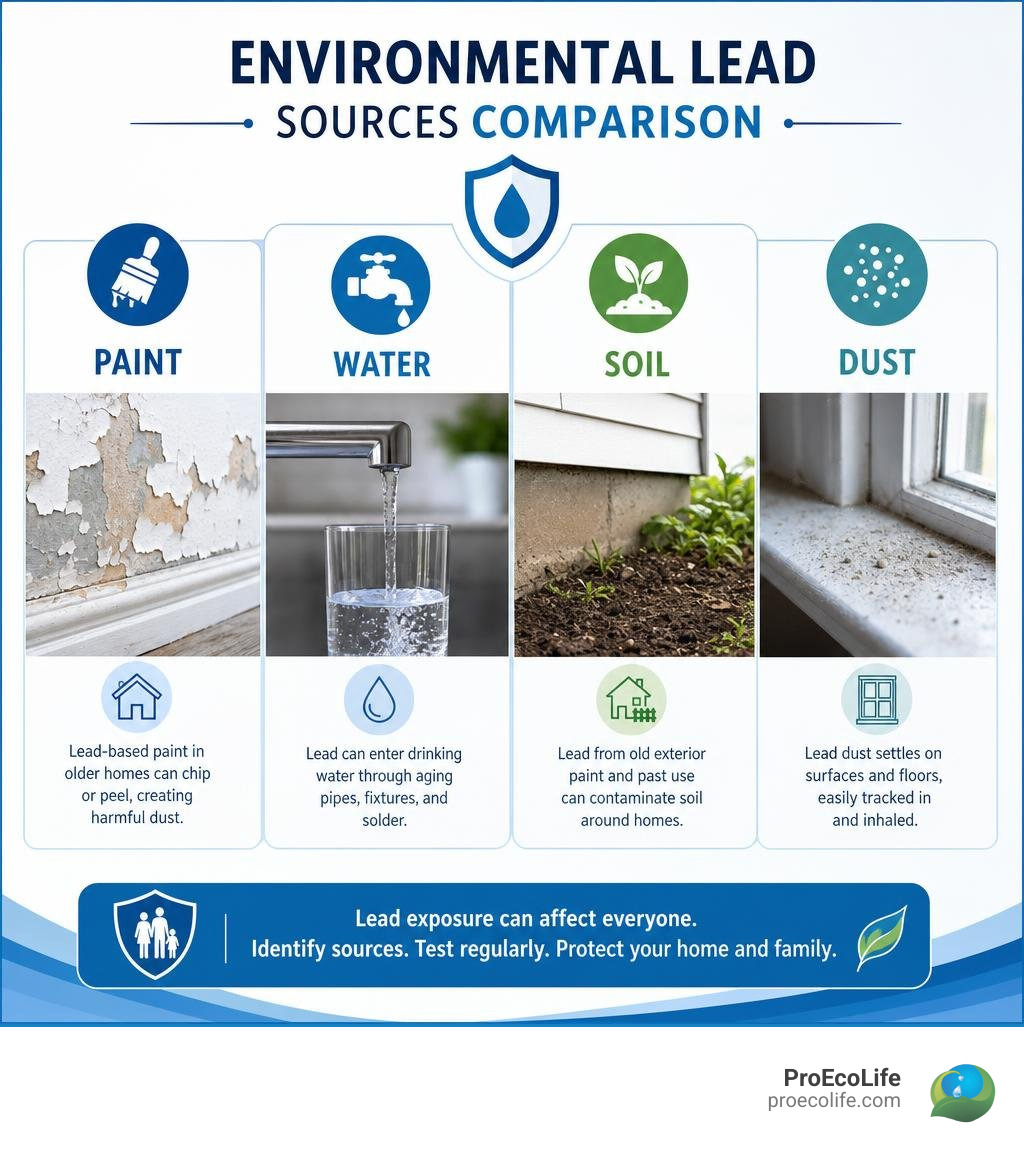
State-licensed inspectors certified by the Illinois Department of Public Health (IDPH) utilize advanced non-destructive X-Ray Fluorescence (XRF) technology, soil cores, and dust-wipe samples to evaluate environmental risks across all mediums. To understand municipal testing mandates, read Get the Lead Out: A Guide to Chicago Water Testing Requirements.
Evaluating Commercial and Residential Lead Water Testing Services in Chicago
Commercial facilities, multi-family residential complexes, daycare centers, and local businesses face distinct regulatory requirements compared to single-family homeowners. Regulatory compliance frameworks established by OSHA, HUD, and IDPH require routine water quality assessments, particularly during real estate due diligence or prior to structural renovations.
When evaluating chicago lead water testing services for commercial or institutional buildings, properties require structured sampling protocols:
- First-Draw Samples: Collected immediately upon opening taps after a 6-hour stagnation period to assess local interior plumbing fixtures.
- Flushed Samples: Collected after continuous flow to evaluate water entering from public supply networks.
- Clearance Testing: Required following lead abatement work in pre-1978 child-occupied facilities to verify environmental safety.
For comprehensive information regarding commercial and residential environmental testing, visit Reliable Water Testing Service in Chicago for Your Home or Business.
Frequently Asked Questions About Chicago Lead Water Safety
How can I tell if my home water service line is made of lead?
The most reliable ways to identify your water service line material include consulting the City of Chicago online service line inventory map using your address or scheduling a professional plumbing inspection. A trained technician can evaluate the visible service entry area near your basement wall, floor, or water meter and confirm whether your line is lead, copper, or another material. This is especially important in older homes where pipe materials may be mixed or difficult to identify visually.
How long do I need to flush my tap before drinking or cooking?
If your home has a lead service line and water has sat unused for six hours or longer, run cold tap water for 3 to 5 minutes before using it for drinking or cooking. If your home does not have a lead service line, a brief 30 to 45 second flush is sufficient. Running a shower or starting laundry first helps clear main service lines while conserving kitchen tap water.
What other sources of lead should I test for in an older Chicago property?
In addition to drinking water, pre-1978 Chicago homes frequently contain lead-based paint under surface layers, microscopic lead dust around window sills and baseboards, and elevated lead levels in exterior soil near building drip lines. Professional environmental inspections utilizing IDPH-certified inspectors can evaluate paint chips, soil samples, and airborne dust alongside water testing.
Securing Lead-Free Water for Your Chicago Property
Addressing lead risks requires dependable, long-term filtration solutions tailored specifically to Chicago’s municipal water characteristics. While city flushing protocols provide temporary risk reduction, comprehensive point-of-use and point-of-entry water purification systems offer continuous peace of mind for your family.
At ProEcoLife, our Chicago-rooted expertise since 2014 enables us to engineer specialized filtration configurations designed to handle local water conditions – from Lake Michigan municipal supplies to the elevated water hardness found across suburban communities like Des Plaines, Mount Prospect, Niles, and Skokie.
Our signature systems deliver complete protection for residential and commercial properties:
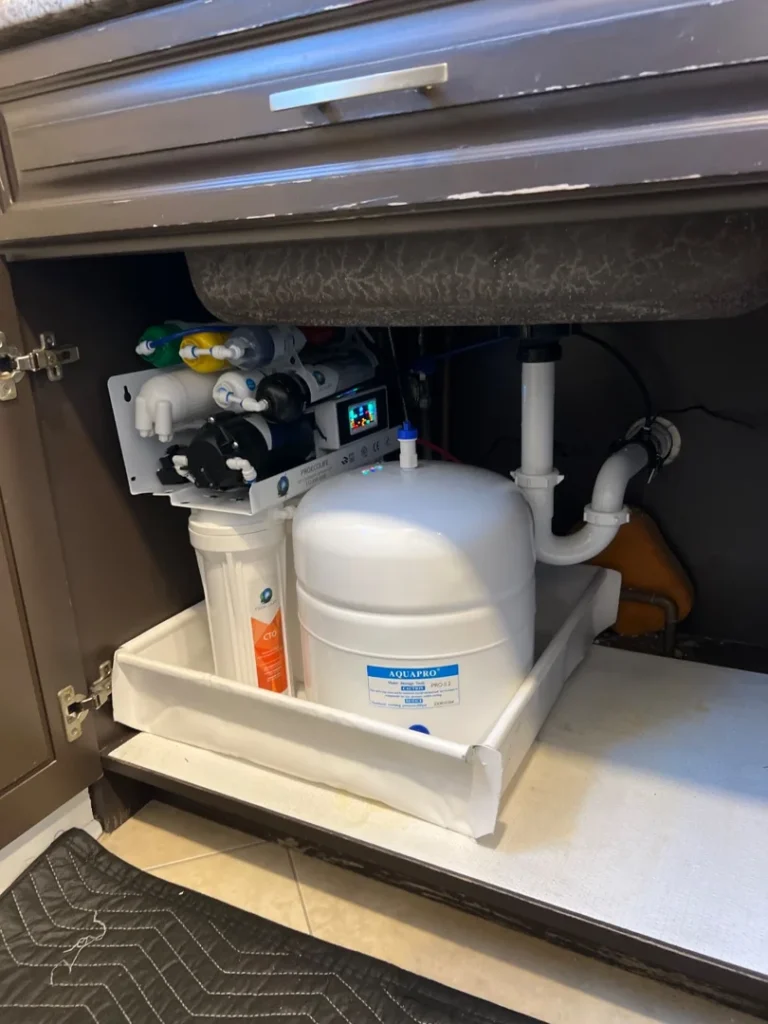
- PEL75 9-Stage RO System: Advanced multi-stage reverse osmosis technology engineered specifically to reduce heavy metals, lead, microplastics, chlorine, and dissolved chemical contaminants down to microscopic levels at your kitchen tap.
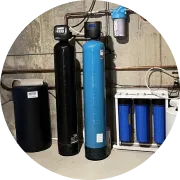
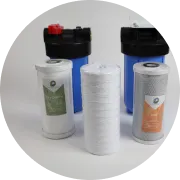
- Whole House Filtration: Comprehensive point-of-entry protection designed to remove sediment, chlorine taste, odor, and chemical contaminants throughout your entire household plumbing network.
- Shower Filter System: Protects skin and hair from chlorine residual and dissolved heavy metals during daily warm showers.
- Well Water Conditioning & Commercial Water Filtration Systems: Custom-engineered filtration strategies tailored for private suburban wells and complex commercial facility requirements across the Chicagoland area.
Many of our customers notice an immediate improvement in tap water taste, clarity, and overall peace of mind after installing dedicated reverse osmosis technology. While results vary based on individual household pipe conditions and initial contamination levels, advanced filtration provides a reliable, everyday barrier against infrastructure-related heavy metal risks.
To learn more about transforming your home’s water quality, check out Explore Whole-House Water Filtration Systems in Chicago.
Ready to better understand your water quality at home or at your business? Contact ProEcoLife through proecolife.com to schedule a water test.