Contaminants in Chicago Water: Beyond Municipal Treatment
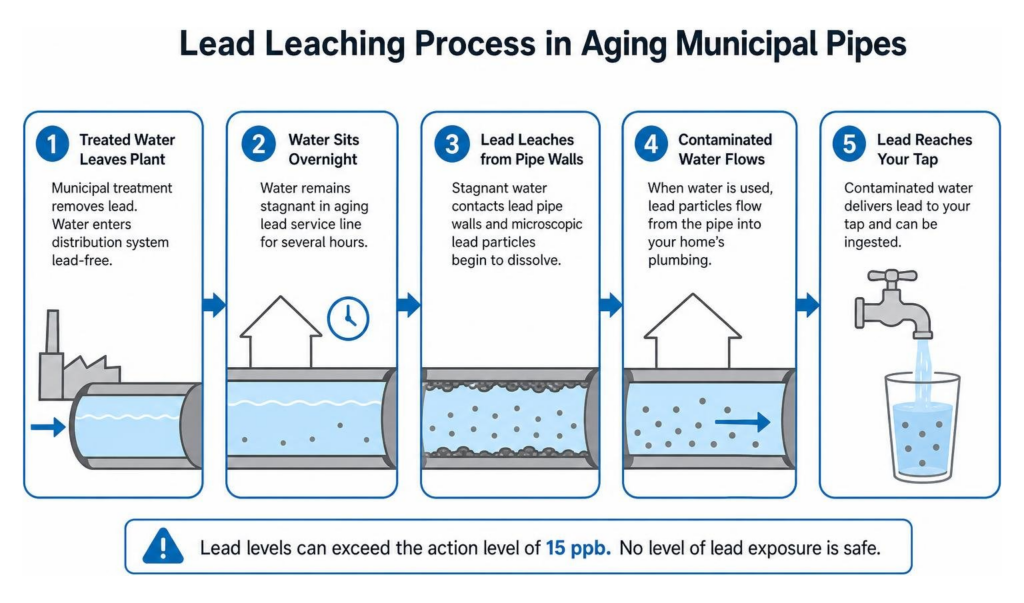
While Lake Michigan provides a freshwater source, the journey water takes from the treatment facilities to your glass can introduce unexpected elements. The Chicago Department of Water Management treats nearly one billion gallons of water daily, utilizing chemical filtration and disinfection to clear raw water of pathogens. When water leaves these municipal plants, tests confirm there is no detectable lead.
However, municipal treatment cannot account for the condition of thousands of miles of subterranean distribution lines or the private service pipes connected to individual homes. Furthermore, modern municipal treatment relies on persistent chemical additives that remain in the water long after pathogens are eliminated. Beyond heavy metals, chemical runoff and microscopic compounds like PFAS (per- and polyfluoroalkyl substances) have drawn increasing attention across Illinois. To truly safeguard your family’s drinking supply, understanding what enters the water after treatment is essential.
Lead Leaching in Aging Chicago Service Lines
The primary drinking water concern for Chicago residents is not the source water, but the plumbing bringing it indoors. For decades, local building codes mandated the use of solid lead pipes for residential water service lines connecting homes to the street main. As a result, hundreds of thousands of homes across Chicago’s Northwest Side—including neighborhoods like Norwood Park, Edison Park, Jefferson Park, Oriole Park, and Portage Park—as well as inner-ring suburbs, continue to receive water through aging lead lines.
When water sits stagnant in these lead pipes overnight, microscopic lead particles can leach into the supply. While municipal operators use chemical corrosion control treatments to coat the inside of pipes, physical shifts, neighborhood construction, or changing water chemistry can disrupt this protective barrier.
According to public health guidelines, action must be taken when lead levels exceed 15 parts per billion (ppb). However, health authorities maintain that no level of lead exposure is entirely safe, particularly for children and pregnant women. Recent reporting highlights that Illinois is one of the worst contaminated water states regarding heavy metal infrastructure. To learn more about local efforts to address this issue, you can explore updates at Water – Lead-Safe Chicago.
Chloramines and PFAS Concerns
Lead is not the only element to consider when evaluating tap water quality. To ensure water remains sanitized throughout its journey across hundreds of miles of pipe, municipal treatment centers use chloramines—a chemical compound created by combining chlorine with ammonia. Unlike pure chlorine, which dissipates relatively quickly, chloramines are exceptionally stable and persist all the way to your tap. While effective at killing bacteria in transit, chloramines can impart a distinct chemical odor and sharp taste to tap water that standard point-of-use filters often struggle to remove.
Additionally, emerging synthetic contaminants known as PFAS (per- and polyfluoroalkyl substances) or “forever chemicals” have become a growing concern statewide. Used for decades in manufacturing, fire-fighting foams, and consumer products, these resilient compounds do not break down naturally in the environment. Industrial runoff allows trace amounts of PFAS to enter waterways, where standard municipal treatment facilities are not equipped to filter them out completely.
How an Under-Sink Chicago Tap Water Filter Removes Hidden Impurities
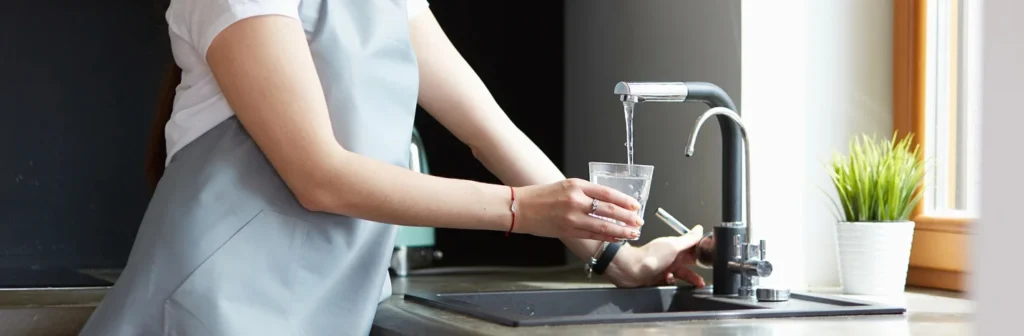
Point-of-use filtration directly at the kitchen sink offers a localized defense against lingering contaminants. By intercepting water right before it exits the faucet, an under-sink filtration system targets lead particles, dissolved chemicals, and heavy metals that accumulated during transit.
Founded right here in Chicago in 2014 by Karol Dolega, ProEcoLife was built on a deep understanding of local water challenges. From over a decade of hands-on experience in homes from Dunning and Forest Glen out to Park Ridge, Des Plaines, and Skokie, our team designs solutions explicitly engineered for northeastern Illinois water profiles.

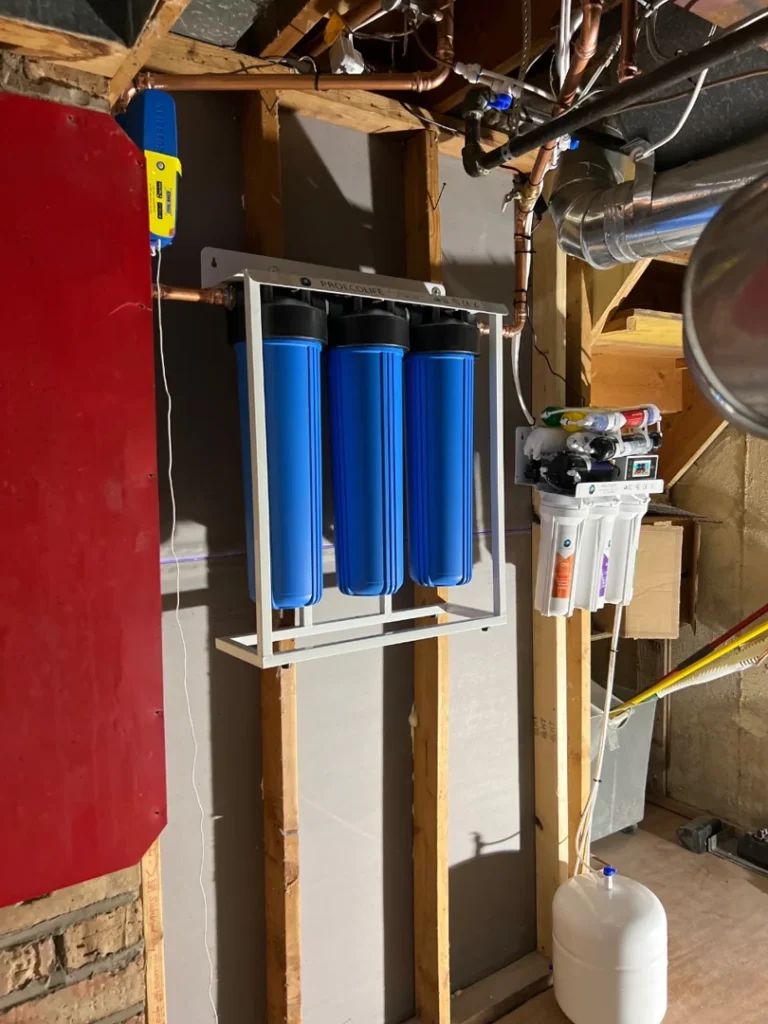
Our proprietary PEL75 9-Stage RO System employs advanced multi-stage reverse osmosis technology. Water is pushed under pressure through a semi-permeable membrane with pores as small as 0.0001 microns. This process significantly reduces dissolved solids, heavy metals like lead (reducing lead levels by up to 98%), and complex organic molecules like PFAS, delivering clean, crisp water straight from dedicated spigots.
Why Reverse Osmosis Outperforms Pitcher Filters
Many homeowners initially turn to simple countertop jug filters or tap attachments, but these basic options frequently fall short when dealing with Chicago’s heavy water profile. Most pitcher filters rely solely on basic granular activated carbon (GAC) media. While carbon can reduce basic chlorine tastes, it quickly becomes saturated when exposed to complex chloramines and heavy sediment loading. Furthermore, basic pitchers cannot match the structural particle retention of high-pressure membrane separation.
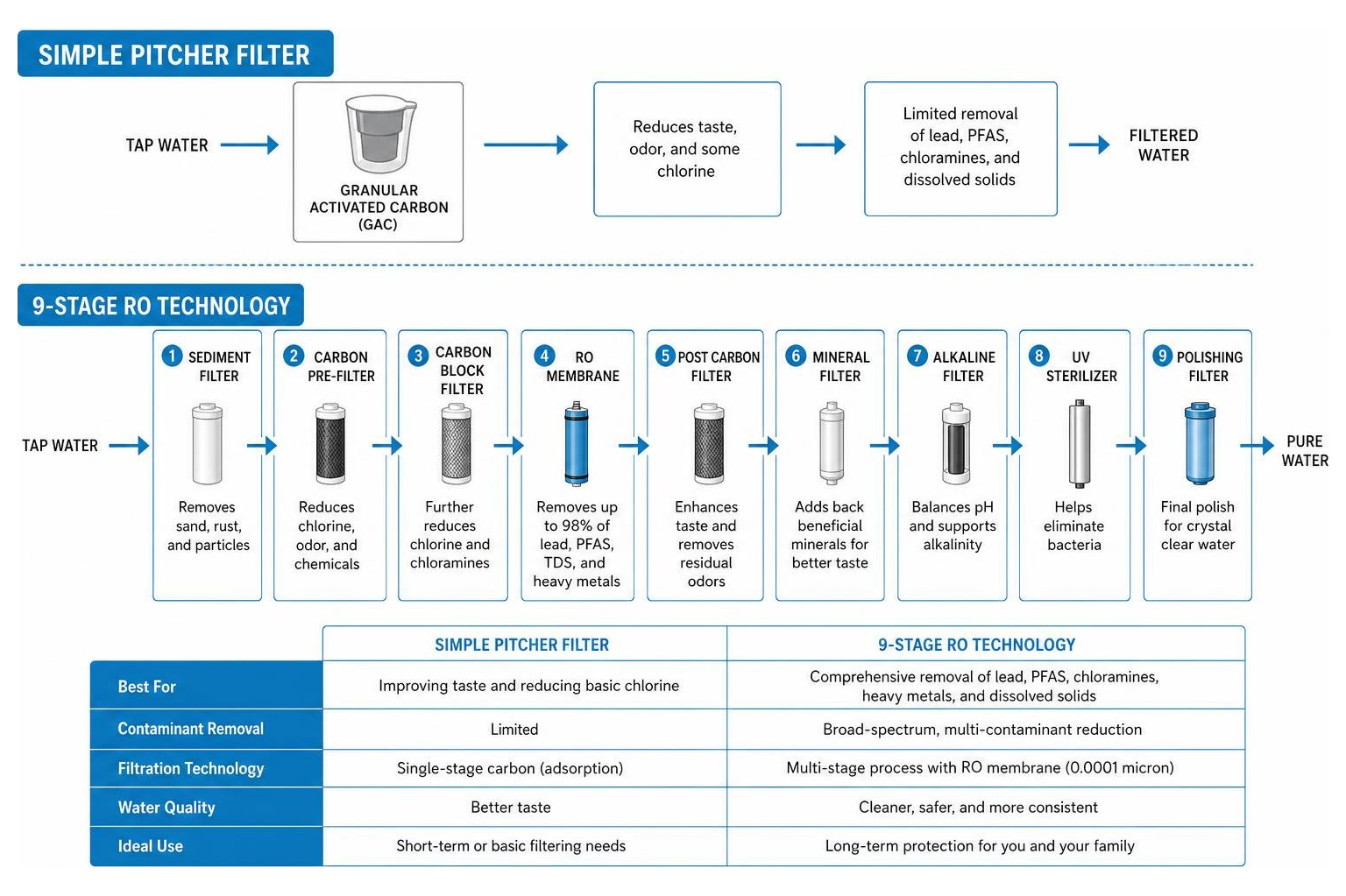
When considering options, review our full breakdown of top home water treatment options in Chicago for clean and safe drinking water. Basic media filters simply lack the retention time and structural barrier required to isolate sub-micron contaminants. Advanced reverse osmosis membranes physically block heavy metals, volatile organic compounds, and microscopic sediment, ensuring consistent purity glass after glass.
Selecting a Chicago Tap Water Filter Tuned to Local Water
Choosing a filter for a home in Glenview, Niles, or Lincolnwood requires understanding regional conditions, including the prevalence of hard water in the Northwest suburbs. Suburban municipal supplies and Chicago neighborhood mains present distinct chemical compositions. A system optimized for local conditions must include:
- Targeted Chloramine Reduction: Utilizing specialized catalytic carbon stages to effectively break down tough chloramine bonds.
- Post-RO Mineral Restoration: Because reverse osmosis strips out virtually all dissolved matter, pure RO water can taste flat. Restoring balanced amounts of essential calcium and magnesium yields a pleasant, natural taste.
- Alkaline Balancing: Adjusting the final pH to create smoothly balanced drinking water that enhances tea and coffee.
- Real-Time Quality Monitoring: Integrated total dissolved solids (TDS) displays allow homeowners to check real-time water purity before and after filtration at a glance.
Need Clean, Safe Water at Home?
Get a free water test at your home or business. We install and service whole-house filtration and PEL75 reverse osmosis systems across Chicagoland. We also take select projects in Wisconsin and Indiana.
Book a Free Water TestCall (312) 889-8888Benefits of Under-Sink Water Systems vs. Bottled Water
Relying on single-use bottled water for daily drinking and cooking needs is costly and inconvenient. lugging heavy cases of water up staircases in older Chicago flat buildings or taking up valuable garage space in suburbs like Arlington Heights or Mount Prospect gets tiresome quickly.

Beyond convenience, families who transition from buying packaged store water to utilizing an under-sink reverse osmosis system often notice substantial financial relief over time. Many households recover their original equipment investment within the first year of operation simply by eliminating weekly store-bought water purchases. Furthermore, under-sink units can be plumbed directly into your refrigerator’s ice maker and water dispenser, ensuring crystal-clear ice cubes free from chemical aftertastes.
| Feature / Benefit | Single-Use Bottled Water | Basic Pitcher Filters | Under-Sink 9-Stage RO System |
|---|---|---|---|
| Lead Reduction Capabilities | Varies by manufacturer | Low to moderate | High (Up to 98% reduction) |
| Chloramine & Chemical Removal | Generally good | Poor to moderate | Exceptional |
| Environmental Impact | High plastic waste generation | Frequent plastic cartridge disposal | Minimal footprint long-term |
| Ongoing Operating Effort | Constant store purchases & hauling | Frequent manual refilling required | Automatic continuous supply |
| Ice Maker & Appliance Compatibility | None | None | Direct inline hookup capable |
Need Clean, Safe Water at Home?
Get a free water test at your home or business. We install and service whole-house filtration and PEL75 reverse osmosis systems across Chicagoland. We also take select projects in Wisconsin and Indiana.
Book a Free Water TestCall (312) 889-8888Installation and Maintenance Guidelines
Integrating an under-sink filtration system requires proper planning beneath your kitchen counter. Standard cabinet layouts in homes across Niles, Morton Grove, and Evanston typically offer ample space for filter housings and pressurized storage tanks, but proper structural positioning ensures smooth operation and easy servicing down the road.
Professional Installation Process
Proper plumbing integration is key to preventing leaks and ensuring correct system pressure. Every installation handled by our team follows a structured protocol:
- Cabinet and Space Survey: Our technicians evaluate under-sink cabinet dimensions, drain line routing, and incoming cold water pressure.
- Dedicated Plumbing Hookups: We integrate precision feed valves into cold water supply lines and attach solid drain saddles to prevent wastewater backflow.
- Dedicated Faucet Fitting: We mount a custom, lead-free designer tap on your sink basin or countertop.
- Appliance Integration: Where desired, lines are routed directly to kitchen refrigerators for ice makers.
- Live TDS Testing: Technicians perform immediate side-by-side total dissolved solids (TDS) tests on incoming tap water versus freshly filtered water to confirm optimal system performance before leaving.
Upkeeping Your Chicago Tap Water Filter for Peak Performance
To keep your system running effectively, performing routine filter maintenance on a set schedule is essential:
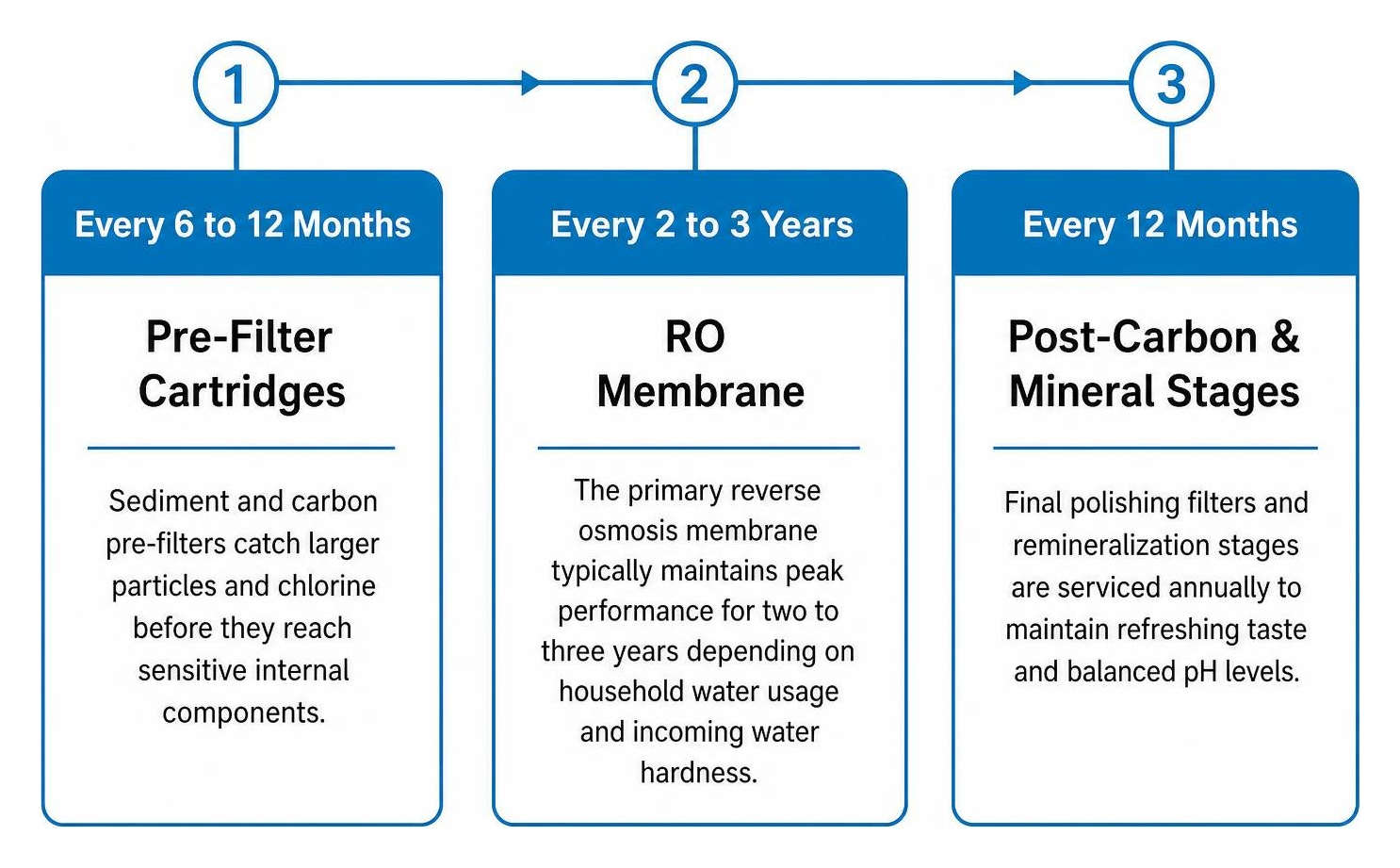
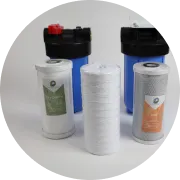
- Pre-Filter Cartridges (Every 6 to 12 Months): Sediment and carbon pre-filters catch larger particles and chlorine before they reach sensitive internal components. Regular replacement prevents premature clogging.
- RO Membrane (Every 2 to 3 Years): The primary reverse osmosis membrane typically maintains peak performance for two to three years depending on household water usage and incoming water hardness.
- Post-Carbon & Mineral Stages (Every 12 Months): Final polishing filters and remineralization stages are serviced annually to maintain refreshing taste and balanced pH levels.
How to Test Your Tap Water in Chicago
Because water quality varies significantly based on property age and pipe materials, testing your home’s water is the most reliable way to assess your filtration needs. Residents living in older structures throughout Harwood Heights, Norridge, or Rosemont can check historical infrastructure records using online mapping tools. Read our detailed guide on how to use the wbez lead pipe map to check your Chicago home to assess your property’s service line construction.

Beyond mapping, direct testing provides definitive proof of what is coming out of your faucet. A professional evaluation measures specific heavy metal levels, total dissolved solids, and pH balances, giving you the facts needed to select an appropriate treatment solution.
Frequently Asked Questions About Chicago Tap Water
How can I get my Chicago tap water tested for lead?
Homeowners can request municipal test kits or choose professional testing through an experienced local water treatment provider. Professional testing offers immediate on-site results and clear guidance on appropriate filtration options tailored to your specific findings.
Why does Chicago tap water contain chloramines instead of standard chlorine?
Chloramines remain active longer in extensive distribution networks than traditional chlorine. Because Chicago pumps water across a massive municipal footprint that extends deep into surrounding suburbs like Evanston, Skokie, and Wilmette, persistent chloramines are used to ensure water remains disinfected throughout long journeys through main distribution lines.
How often should reverse osmosis membranes be replaced in Chicago?
In most Chicago and suburban residential applications, the core reverse osmosis membrane typically lasts between 2 and 3 years. Tracking total dissolved solids (TDS) with integrated monitoring displays helps confirm exactly when membrane efficiency begins to drop, ensuring timely replacement.
Conclusion
Understanding what flows through your home’s tap is the first step toward cleaner, safer drinking water. While Chicago’s municipal water treatment handles initial lake purification, aging service lines, persistent chloramines, and local plumbing variations mean that water quality ultimately comes down to what happens at your kitchen sink. Investing in a tailored Chicago tap water filter, such as a multi-stage under-sink reverse osmosis system, may help protect your family from heavy metals while noticeably improving daily taste and clarity.
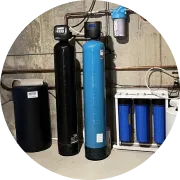
Whether you live in Edison Park, Norwood Park, Park Ridge, or Des Plaines, our local team is dedicated to providing reliable home water treatment solutions tailored to northeastern Illinois water conditions. Beyond under-sink reverse osmosis systems, we offer a full suite of home services, including Whole House Filtration, Shower Filter Systems, Well Water Conditioning, Commercial Water Filtration Systems, and expert water softeners.
To learn more about your home’s water quality or to explore our chicago water filter system options, contact ProEcoLife today to schedule a comprehensive water test by visiting proecolife.com.