
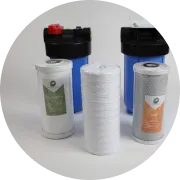
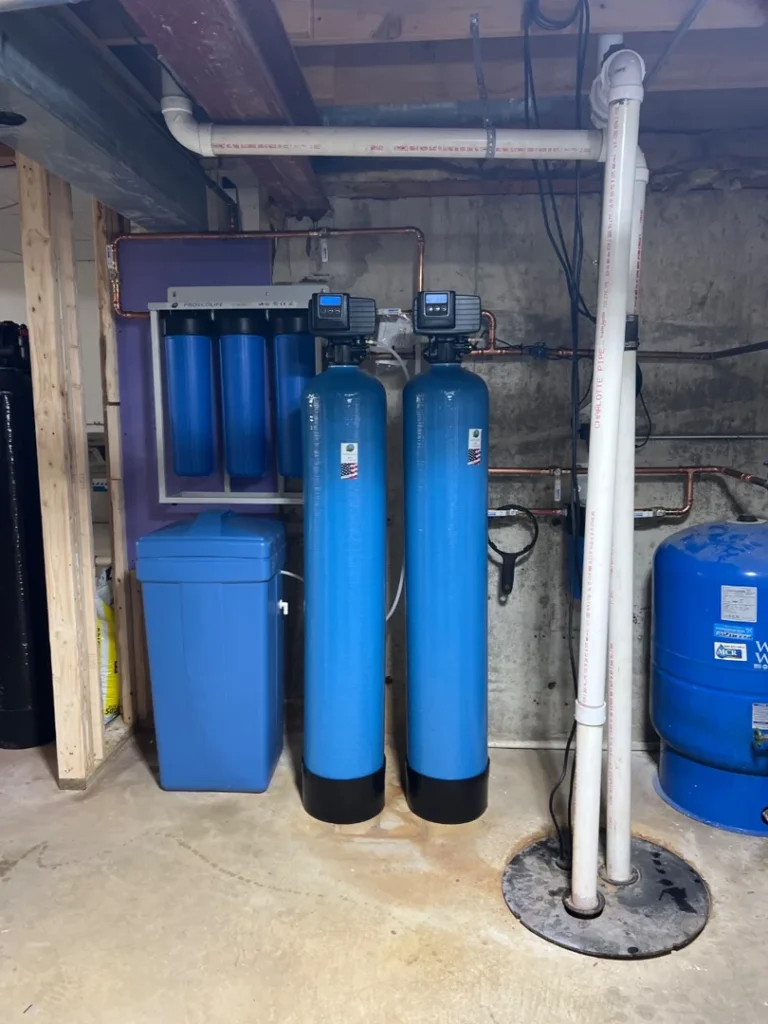
Choose a High Flow Whole House Filter Without Sacrificing Shower Pressure
A high flow whole house filter should handle your home’s peak demand: the showers, taps, and appliances you may use at the same time. For a multi-bathroom home, start by looking at systems rated for 10 to 20 gallons per minute (GPM). Then check the filter’s pressure-drop rating and make sure its contaminant claims match your water test. High flow helps protect water pressure; it does not, by itself, mean a filter removes lead.
That distinction matters around Chicago. Lake Michigan supplies the city’s water, but aging pipes in older homes can affect what reaches the tap. In the Northwest suburbs, hard water may call for a separate treatment decision.
I’m Maciej Spadlo, and I draw on ProEcoLife’s home filtration experience since 2014 to help you choose a high flow whole house filter that fits both your plumbing and your water.
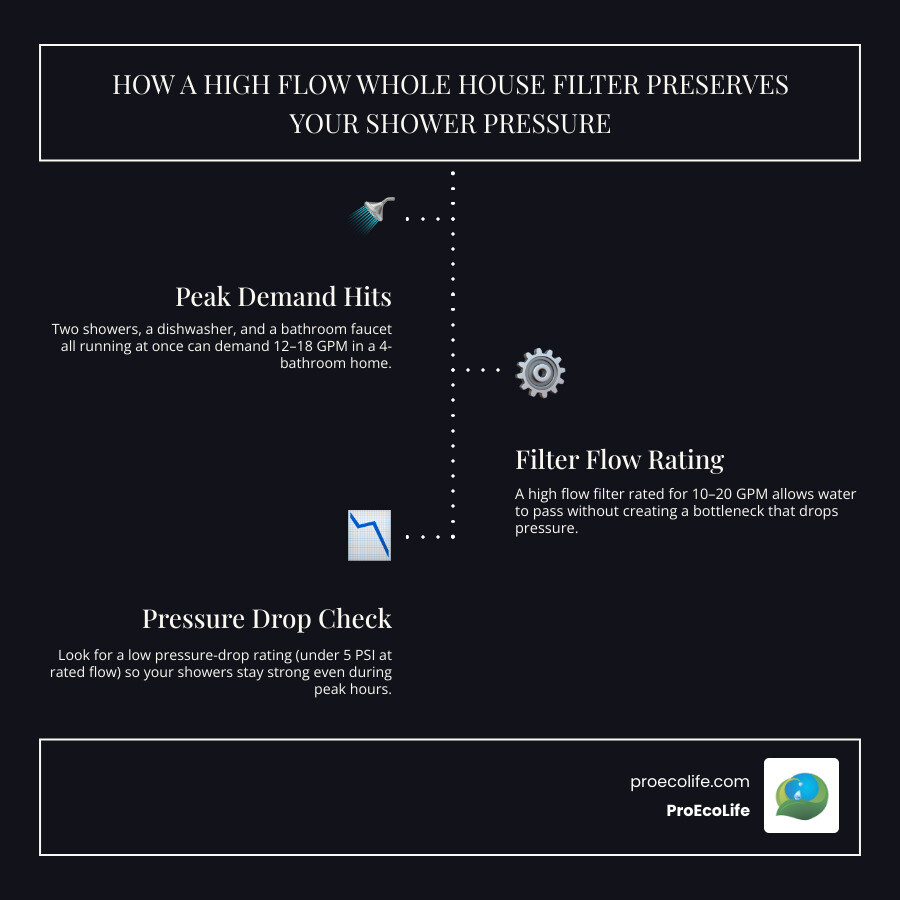
Why Every Large Home Needs a High Flow Whole House Filter
Nothing ruins a morning routine faster than stepping into a shower that suddenly trickles down to a sad drip because someone started the dishwasher or turned on a bathroom faucet downstairs. In busy households across Chicago’s Northwest Side—from historic bungalows in Norwood Park and Edison Park to spacious family layouts in Jefferson Park—morning water demand is intense.

Standard point-of-entry filters often use narrow ports and compact filter cartridges that choke your water supply down to 5 to 7 gallons per minute. While that may be fine for a one-bathroom condo, it creates a major bottleneck in a multi-bathroom home. A high-flow setup is engineered with wider internal pathways, larger surface areas, and generous 1-inch or 1.25-inch inlet/outlet connections. This design lets your plumbing deliver full pressure to simultaneous fixtures while treating every drop before it reaches your faucets.
Whole house water filters can remove up to 99% of common contaminants, including chlorine, sediment, and heavy metals, improving water quality for the entire home. In fact, installing a point-of-entry system can reduce chlorine by up to 97%, which may help reduce skin irritation after showering and eliminate unpleasant chemical odors in tap water.
Beyond personal comfort, high-flow pre-filtration shields your major appliances. Sediment, sand, and pipe rust act like sandpaper on the internal valves of modern high-efficiency washing machines and tankless water heaters. High flow sediment filters can extend the lifespan of household appliances like water heaters and washing machines by up to 30% by preventing sediment buildup.
In older neighborhoods with historic plumbing infrastructure, protecting your family against dissolved metals is equally vital. Combining high-flow sediment and chemical stages with a targeted whole house water filtration system to remove lead ensures clean water reaches every fixture without sacrificing flow.
Need Clean, Safe Water at Home?
Get a free water test at your home or business. We install and service whole-house filtration and PEL75 reverse osmosis systems across Chicagoland. We also take select projects in Wisconsin and Indiana.
Book a Free Water TestCall (312) 889-8888Sizing and Flow Rate Guide: Calculating GPM for Multi-Bathroom Demand
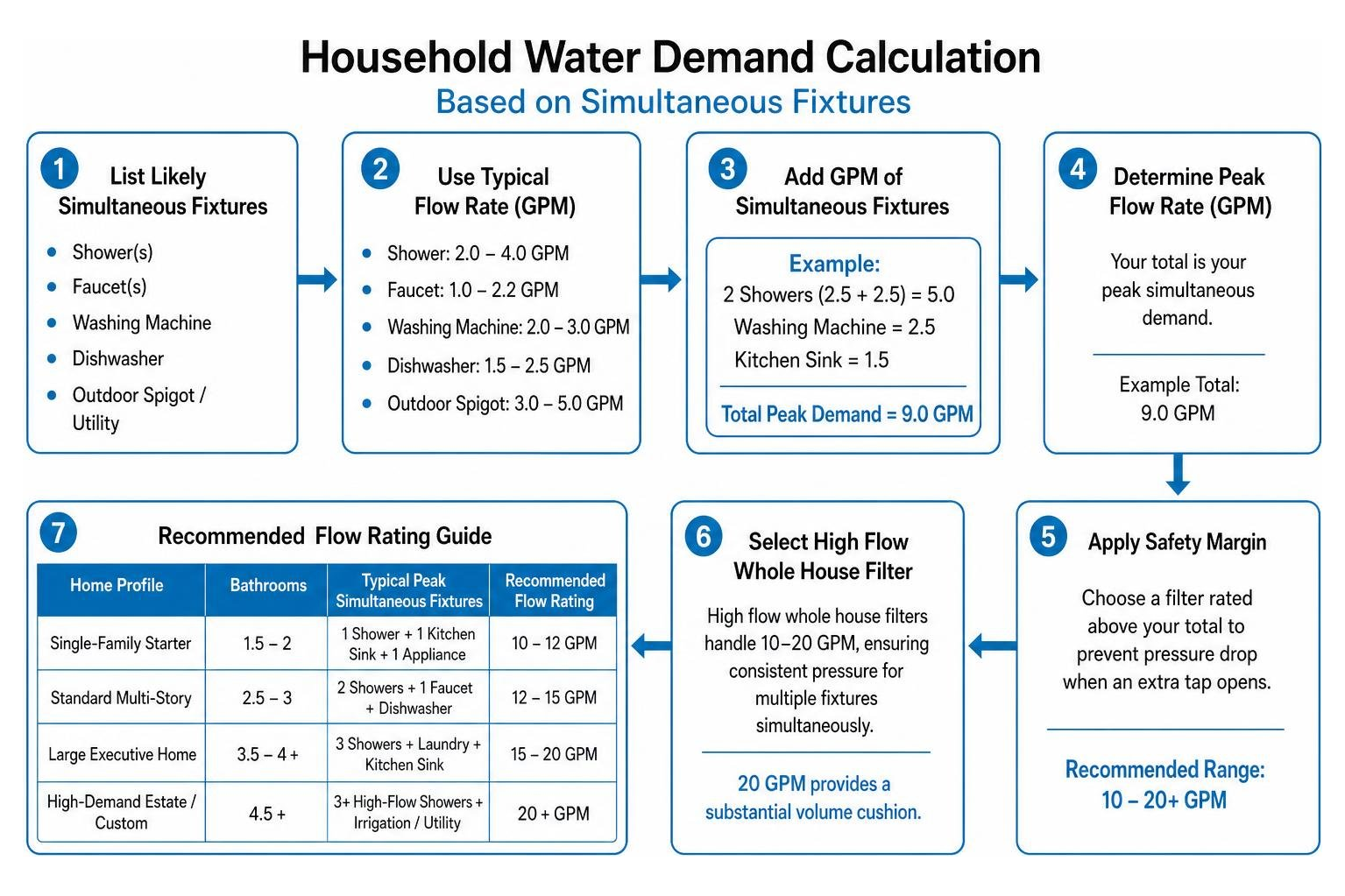
To ensure your home never suffers from water starvation, you need to calculate your peak simultaneous demand. Sizing a system strictly based on square footage is a common mistake; water demand is driven by people and fixtures operating at the exact same moment.
| Home Profile | Bathrooms | Typical Peak Simultaneous Fixtures | Recommended Flow Rating |
|---|---|---|---|
| Single-Family Starter | 1.5 – 2 | 1 Shower + 1 Kitchen Sink + 1 Appliance | 10 – 12 GPM |
| Standard Multi-Story | 2.5 – 3 | 2 Showers + 1 Faucet + Dishwasher | 12 – 15 GPM |
| Large Executive Home | 3.5 – 4+ | 3 Showers + Laundry + Kitchen Sink | 15 – 20 GPM |
| High-Demand Estate / Custom | 4.5+ | 3+ High-Flow Showers + Irrigation / Utility | 20+ GPM |
Determining Peak Flow Rate and Household Demand
Flow rate is measured in gallons per minute (GPM). To estimate your peak demand, add up the GPM requirements of the appliances and fixtures likely to run concurrently during your busiest hour:
- Standard showerhead: 2.0 to 2.5 GPM
- High-pressure or rain showerhead: 2.5 to 4.0 GPM
- Kitchen and bathroom sink faucets: 1.0 to 2.2 GPM
- Washing machine: 2.0 to 3.0 GPM
- Dishwasher: 1.5 to 2.5 GPM
- Outdoor garden hose / utility spigot: 3.0 to 5.0 GPM
If two family members are showering while the washing machine is filling, your household quickly draws 7 to 8 GPM. Choosing a filter rated closely to your peak number causes noticeable pressure drops whenever an extra tap opens. Understanding the micron ratings for whole house water filters also helps you pick the right balance between fine physical particle capture and maximum liquid throughput.
Why a 20 GPM High Flow Whole House Filter Prevents Pressure Drop
High flow whole house filters are designed to handle flow rates of 10-20 gallons per minute (GPM), ensuring consistent water pressure for multiple fixtures simultaneously. When water is forced through a restrictive filter core, friction creates resistance, resulting in a sudden drop in pounds per square inch (PSI) at the fixture.
Installing dedicated 20 GPM whole house filtration systems provides a substantial volume cushion. Because the filter surface area is significantly larger, water passes through the media with minimal friction loss—typically under 1 to 2 PSI when clean. This ensures that even during peak morning hours in larger homes across suburban communities like Park Ridge and Glenview, every shower maintains consistent temperature and robust stream pressure.
Need Clean, Safe Water at Home?
Get a free water test at your home or business. We install and service whole-house filtration and PEL75 reverse osmosis systems across Chicagoland. We also take select projects in Wisconsin and Indiana.
Book a Free Water TestCall (312) 889-8888Key Configurations and Types of High-Flow Filtration Systems
Every home requires a filtration strategy tailored to its incoming water profile. Point-of-entry treatment generally relies on multi-stage configurations designed to eliminate particulates, neutralize chemicals, and protect downstream equipment.

| System Configuration | Primary Media Used | Target Contaminants | Flow Capacity Range |
|---|---|---|---|
| High-Flow Sediment Stage | Pleated Polypropylene / Spun Gradient | Silt, sand, rust, large pipe scale | 15 – 25 GPM |
| Catalytic / Activated Carbon | Coconut shell carbon blocks | Chlorine, chloramines, VOCs, foul odors | 12 – 20 GPM |
| Heavy Metal Reduction | Specialized kinetic media / ion resins | Dissolved lead, copper, trace iron | 10 – 18 GPM |
| Advanced Disinfection | High-output Germicidal UV-C | Bacteria, cysts, viral pathogens | 12 – 20+ GPM |
For comprehensive national guidance on matching filter media to specific household contaminants, refer to the WaterSense Guide to Selecting Water Treatment Systems.
Multi-Stage Cartridge Housings and Big Blue Units
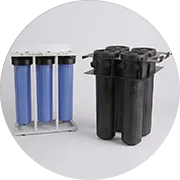
The gold standard for residential high-flow cartridge systems is the heavy-duty heavy-gauge housing, specifically 20 x 4.5 whole house water filter housings. These large-format housings offer up to four times the surface area of standard slender cartridges.
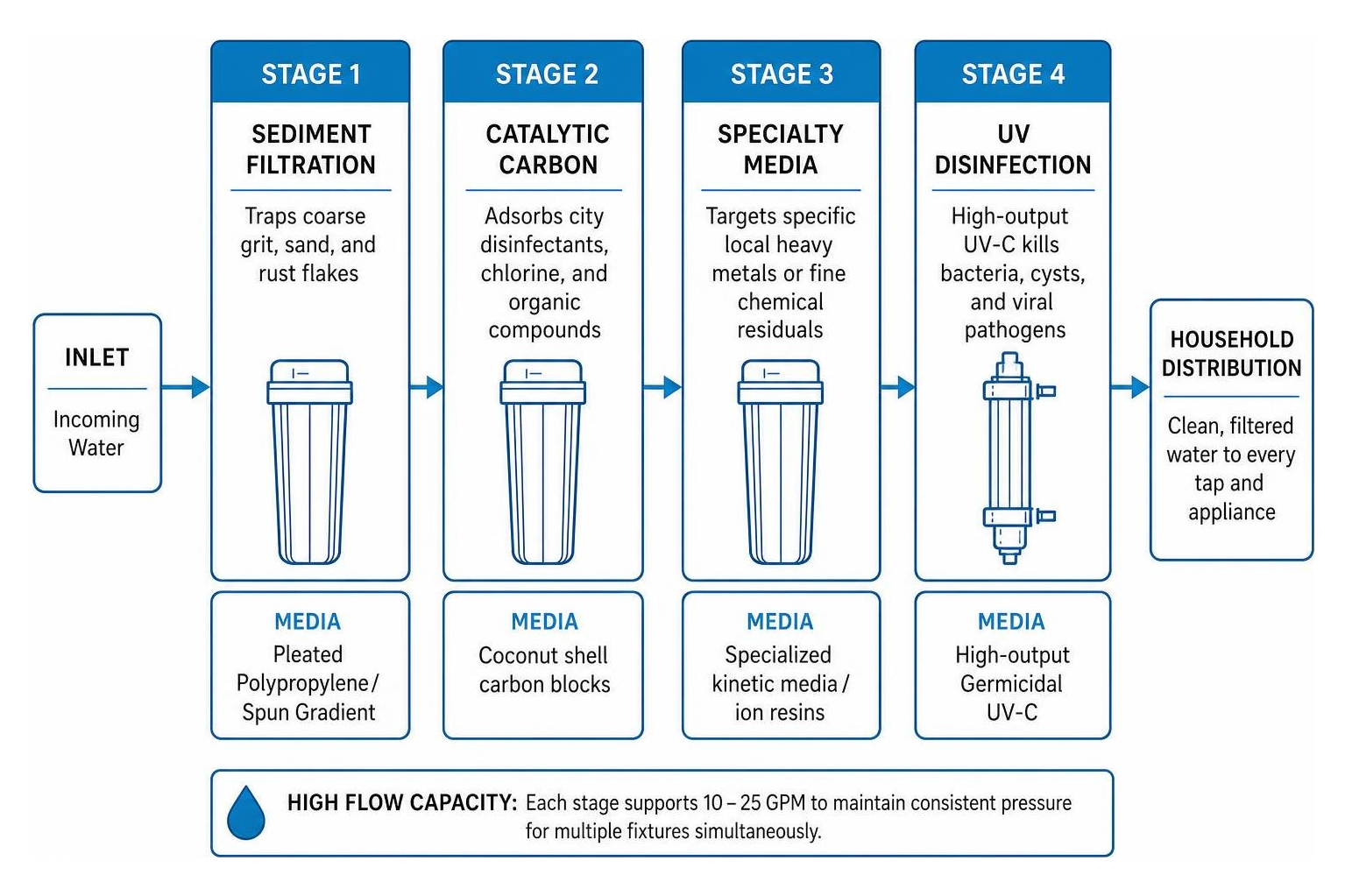
By linking these housings together into 3-stage water filter housings and systems, you can layer progressive filtration without restricting flow:
- Stage 1 (Sediment): Traps coarse grit, sand, and rust flakes.
- Stage 2 (Catalytic Carbon): Adsorbs city disinfectants, chlorine, and organic compounds.
- Stage 3 (Specialty Media): Targets specific local heavy metals or fine chemical residuals.
Municipal vs Well Water: Customizing Your High Flow Whole House Filter
Water chemistry varies dramatically across the greater metropolitan area. Homes connected to municipal Lake Michigan supplies—such as those in Skokie, Niles, Evanston, and Lincolnwood—deal primarily with chlorine, chloramine disinfectants, and sediment from older distribution pipes.
Conversely, private wells in the outlying Northwest suburbs—including parts of Palatine, Wheeling, Buffalo Grove, and Deerfield—face naturally occurring mineral challenges. High concentrations of iron and manganese cause red or black staining on porcelain and laundry. Installing specialized 20-inch iron water filters oxidizes and traps dissolved minerals at high flow rates. For private well supplies with microbial risks, pairing Whole House Filtration with a dedicated UV whole house water filtration system provides chemical-free biological protection without impeding water delivery.
Our founder Karol Dolega established ProEcoLife in 2014 right here in Chicago to tackle these distinct regional water differences. We design tailored configurations ranging from our specialized Well Water Conditioning to city-focused systems that safeguard domestic plumbing lines.
Installation Requirements, Maintenance, and Filter Replacement
Proper installation ensures that your high-flow system operates efficiently without stressing existing plumbing.
Plumbing Port Sizes, Space Planning, and Bypass Loops
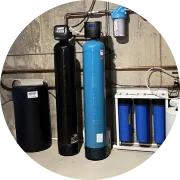
High-capacity systems should be installed right where the main water line enters the home, upstream of the water heater and water softener.
- Port Sizing: For a true high-flow installation, choose housings with 1-inch or 1.25-inch NPT ports. Attaching a 10-20 GPM filter to a narrow 0.75-inch inlet creates an unnecessary mechanical bottleneck.
- Three-Valve Bypass Loop: Professional installation always includes an isolated bypass loop. This arrangement allows you to divert water around the filter during scheduled cartridge servicing, ensuring your household never experiences a complete water shutoff.
- Dual Pressure Gauges: Installing pressure gauges before and after the filter assembly provides an instant visual indicator of differential pressure, showing you exactly when media loading begins to restrict flow.
- Physical Wall Support: Because large housings filled with water can exceed 50 to 70 pounds, they must be mounted on heavy-duty steel brackets secured directly into wall studs or masonry.
Cartridge Longevity, Maintenance Costs, and System Lifespan
High-capacity filter cartridges provide extended operational lifespans compared to compact units, though replacement frequency depends on incoming water quality and monthly volume:
- Sediment Cartridges: Typically replaced every 6 to 12 months.
- Carbon Block Cartridges: Typically replaced every 9 to 12 months (or at rated gallon capacities, often 50,000 to 100,000 gallons).
- Specialty Heavy Metal Media: Replaced every 12 months depending on initial raw water loading.
When cartridges load with particulates, the pressure differential between inlet and outlet gauges increases. Replacing elements promptly with quality 20-inch replacement cartridges prevents internal channel blow-by and preserves shower pressure.
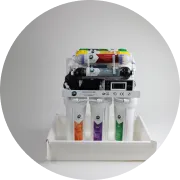
For point-of-use drinking water purification, many homeowners complement whole-house systems with our PEL75 9-Stage RO System under the kitchen sink, or install a Shower Filter System for specialized chlorine removal. For commercial facilities across Elk Grove Village, Des Plaines, and Rosemont, our Commercial Water Filtration Systems deliver continuous high-volume performance.
Frequently Asked Questions About High Flow Filtration
What flow rate is considered high flow for residential systems?
In residential water treatment, systems engineered to deliver between 10 and 20+ GPM with minimal pressure loss are categorized as high flow. Standard entry-level filters often max out around 4 to 7 GPM, which can lead to noticeable pressure drops in homes with more than one bathroom.
Will a high flow filter reduce my existing water pressure?
When properly sized with matching plumbing ports (such as 1-inch or 1.25-inch lines), a clean high-flow filter creates a negligible pressure drop of only 1 to 2 PSI. However, if cartridges are left in service beyond their lifespan and become clogged with sediment, pressure will drop across all fixtures.
How often should high-flow filter cartridges be replaced?
Most residential high-flow cartridges need replacement every 6 to 12 months. Homes with heavy sediment or older supply mains may require more frequent sediment filter changes, while carbon and specialty media generally last a full year under typical residential usage.
Conclusion
Choosing the right high-capacity point-of-entry system ensures your family enjoys crisp, clean water throughout the home without the frustration of dwindling shower streams during peak hours. From multi-bath homes in Arlington Heights, Morton Grove, and Northbrook to character homes across Harwood Heights, Norridge, and Elmwood Park, sizing for peak GPM is key to dependable performance.
If you are ready to evaluate the best all-house water filtration system for your property, let our experienced team help. Contact ProEcoLife to schedule a water test at (312) 889-8888 or visit proecolife.com today.