

Chicago’s Water Reality: Why More Homeowners Are Searching for Reverse Osmosis Water for Sale
If you’ve been looking at reverse osmosis water for sale in the Chicago area, you’re not alone — and you’re asking the right question.
Chicago draws its water from Lake Michigan, but by the time it reaches your tap in neighborhoods like Norwood Park, Jefferson Park, or Edison Park, it may have picked up lead from aging pipes, chlorine from treatment plants, and other contaminants from older infrastructure. In the Northwest suburbs — Park Ridge, Niles, Des Plaines, and beyond — hard water and local pipe conditions add even more concerns.
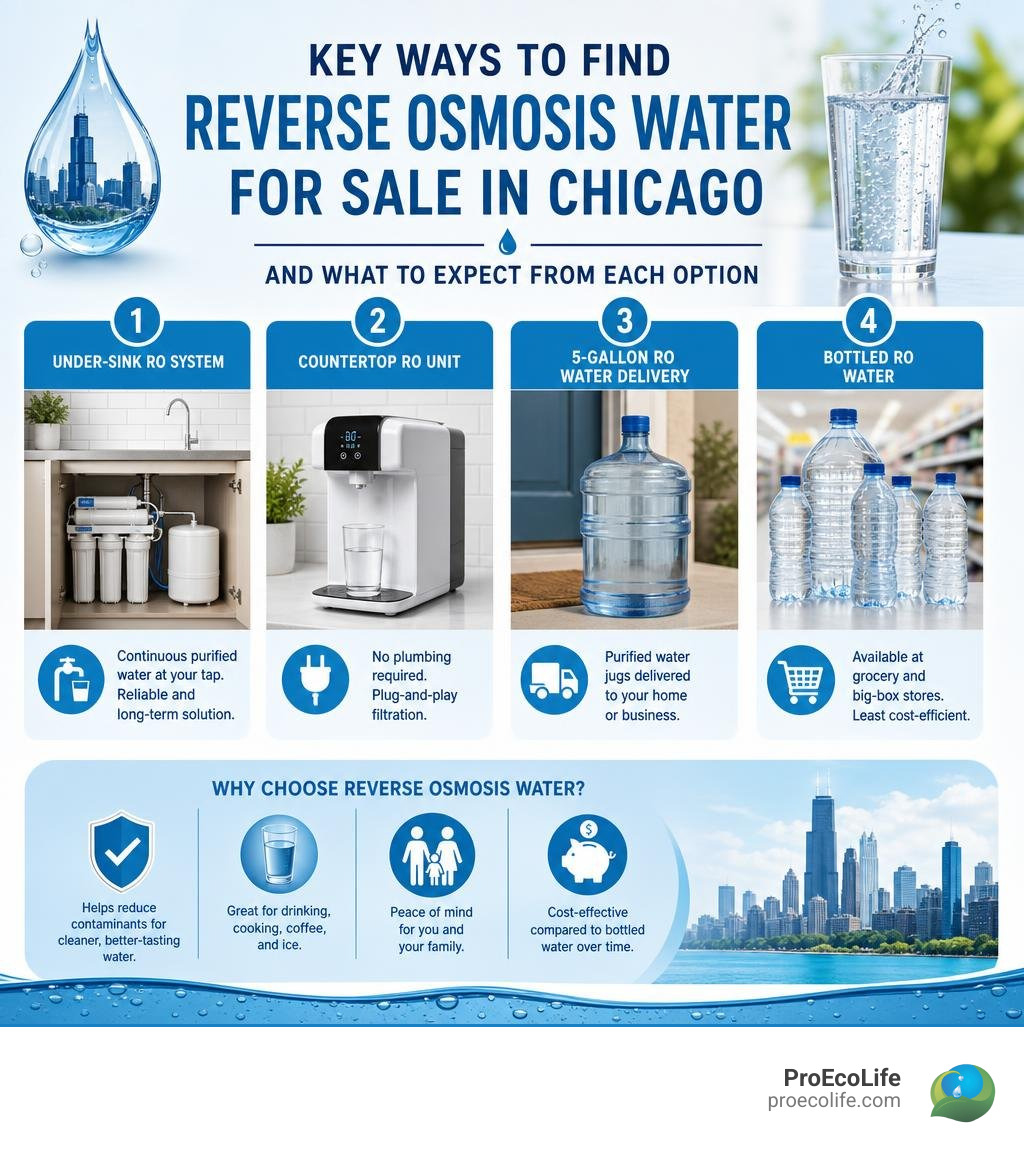
Here are the fastest ways to get reverse osmosis water in or near Chicago:
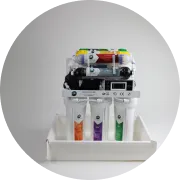
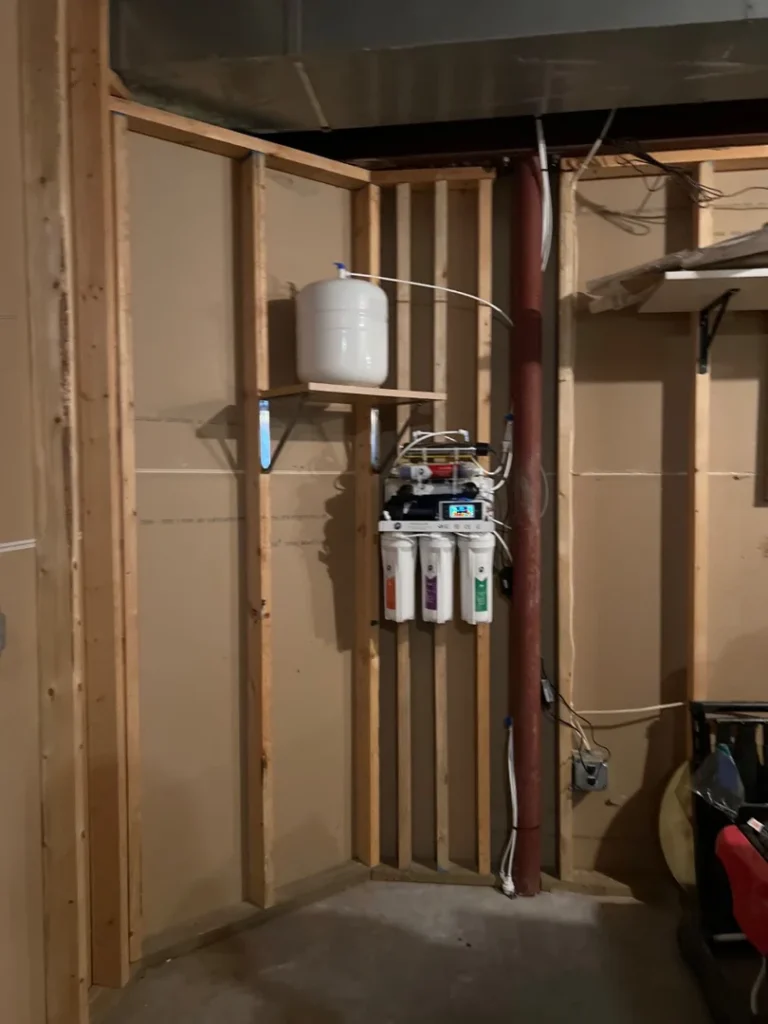
- Have an under-sink RO system professionally installed — such as ProEcoLife’s PEL75 9-Stage RO System with proprietary multi-stage filtration technology — for continuous purified water at your tap
- Purchase a countertop RO unit — a compact option with no permanent plumbing changes
- Order 5-gallon RO water delivery — purified water jugs delivered to your home or business
- Buy bottled RO water — available at grocery and big-box stores, though least cost-efficient
For most Chicago homeowners worried about lead and aging pipes, a professionally installed in-home RO system may offer the most reliable, long-term solution.
Reverse osmosis systems may help reduce up to 99% of many contaminants — including lead, PFAS, fluoride, and chlorine — giving your family consistently clean water without the hassle of buying bottles or hauling heavy jugs. Results vary based on your home’s plumbing, source water, and system maintenance.
This guide walks you through everything you need to know: how RO filtration works, what it removes, how it compares to other options, and how to find the right source of purified water for your Chicago home.
What is Reverse Osmosis Water and How Does It Work?
To understand why looking for reverse osmosis water for sale is so beneficial, it helps to look at the purification process itself. At its core, reverse osmosis (RO) is a highly sophisticated, pressure-driven water purification technology. While standard carbon pitchers rely on water slowly trickling through a simple charcoal filter, RO forces water through an incredibly fine, semi-permeable membrane.
To grasp the mechanics, we must first look at how natural osmosis works. In nature, water naturally flows from an area of low solute concentration (cleaner water) to an area of high solute concentration (dirtier water) to create a balance.
Reverse osmosis does exactly what the name implies: it reverses this natural flow. By applying strong household water pressure, we force the municipal tap water backward through the membrane, leaving the impurities trapped on one side while pure water passes through to the other.
To get a complete, step-by-step breakdown of this process, you can read our detailed guide on how does reverse osmosis work.

This cross-flow filtration design is highly efficient. Instead of letting contaminants build up on the filter surface and eventually clog it, the system uses a dual-stream approach. As water flows across the membrane, the purified water (known as the permeate) is separated and sent to a storage tank or your faucet, while the concentrated contaminants are washed away in a separate reject stream. This continuous self-cleaning cycle keeps the membrane performing at its peak.
If you want to understand how this technology is used on a broader scale, check out our article on how reverse osmosis turns wastewater back into pure h2o.
The Science Behind the Semi-Permeable Membrane
The real workhorse of any RO system is the semi-permeable membrane. This membrane is constructed with microscopic pores that measure approximately 0.0001 microns in size. To put that into perspective, a single strand of human hair is about 70 microns in diameter, and a single bacterium is roughly 1 micron.
Because the pores are so incredibly small, only water molecules (which are extremely tiny) can pass through. Dissolved salts, heavy metals, organic compounds, and chemical contaminants are physically too large to squeeze through the membrane’s structure.
This process requires adequate water pressure to overcome natural osmotic pressure. In typical Chicago homes, standard municipal water pressure is more than enough to drive this process. However, in some municipal areas or homes with older plumbing where pressure might drop, a dedicated booster pump can be integrated to keep the filtration running at maximum efficiency.
Contaminants Removed by Reverse Osmosis Systems
For families living in Chicago and the surrounding suburbs like Niles, Des Plaines, and Skokie, contaminant removal is the primary reason to seek out reverse osmosis water. While municipal water treatment plants do an admirable job of making water biologically safe, they cannot control what happens to the water as it travels through miles of aging underground infrastructure.
The older homes in Norwood Park, Edison Park, and Jefferson Park are particularly vulnerable to lead leaching from old service lines. To learn more about how to protect your household from this specific threat, read our article on get the lead out how reverse osmosis filters save your tap.
An advanced reverse osmosis system may help reduce up to 99% of the following impurities from your drinking water:
- Lead and Heavy Metals: Lead from aging service lines, copper from home plumbing, and arsenic.
- PFAS (“Forever Chemicals”): Per- and polyfluoroalkyl substances, which are increasingly detected in municipal water supplies across the country.
- Fluoride and Chlorine: Chemicals added during municipal treatment that many homeowners prefer to remove for taste and health reasons.
- Dissolved Solids and Salts: Nitrates, sulfates, sodium, and chloride that alter the taste and purity of your water.
- Microplastics and Sediment: Tiny plastic fibers and rust particles from municipal water mains.
Need Clean, Safe Water at Home?
Get a free water test at your home or business. We install and service whole-house filtration and PEL75 reverse osmosis systems across Chicagoland. We also take select projects in Wisconsin and Indiana.
Book a Free Water TestCall (312) 889-8888The Benefits of Finding High-Quality Reverse Osmosis Water for Sale
When you begin searching for reverse osmosis water for sale, you quickly realize that the benefits extend far beyond simple safety. The most immediate change many customers notice is a dramatic improvement in taste. Because RO may help reduce the chlorine, dissolved minerals, and sulfur compounds that give Chicago tap water its chemical or metallic aftertaste, the resulting water can taste crisp, clean, and refreshing.
This purity also transforms your cooking. Chlorine and heavy metals in tap water can alter the flavor of delicate foods, discolor vegetables, and affect the taste of your morning coffee or tea. Using purified RO water may help the natural flavors of your food and beverages come through more clearly.
Additionally, many families find that having a continuous supply of great-tasting water naturally encourages everyone in the household to drink more water and stay properly hydrated. For a deeper look at these advantages, you can read about what are the benefits of drinking reverse osmosis water and explore whether is reverse osmosis water really better for you.
Why Bottled Water is No Match for Reverse Osmosis Water for Sale
For years, the default solution for clean drinking water was to purchase single-use plastic bottles. However, when you compare bottled water to an in-home reverse osmosis system, the differences in cost, convenience, and environmental impact are significant.
First, consider the environmental toll. Millions of tons of plastic water bottles end up in landfills or oceans every year, taking hundreds of years to decompose. Even worse, recent studies have shown that bottled water can contain high levels of microplastics that leach from the plastic container itself.
Second, the financial cost of buying bottled water can add up quickly. American consumers spend billions of dollars annually on bottled water, and many Chicago households find that constantly buying cases or jugs becomes inconvenient over time.
By choosing a professionally installed in-home system, you reduce the physical chore of hauling heavy cases of water from the grocery store and cut down on single-use plastic waste. For a comprehensive comparison, take a look at our articles on bottled water vs reverse osmosis and osmosis water or bottled water.
Commercial and Residential Applications of Reverse Osmosis Water for Sale
The demand for reverse osmosis water isn’t limited to home kitchens. Because of its high level of purification, RO water is an important ingredient across a wide range of industries in the Chicago area:
- Breweries and Distilleries: Craft brewers in Chicago rely on a consistent water profile. RO water provides a blank canvas, allowing brewers to add precise mineral blends to replicate historical water profiles for different beer styles.
- Coffee Shops: Mineral scale is the enemy of expensive espresso machines. Coffee shops use RO water to protect their equipment from limescale buildup while helping the subtle flavor notes of their coffee beans come through.
- Hydroponics and Agriculture: Plants are highly sensitive to dissolved salts and chlorine. Hydroponic growers use RO water to maintain more precise control over nutrient levels.
- Food Service and Restaurants: From clearer ice cubes to better-tasting fountain drinks, restaurants use Commercial Water Filtration Systems to improve consistency for customers.
Whether you run a local business or simply want better water for your family in Norwood Park, Edison Park, Jefferson Park, Park Ridge, Niles, Des Plaines, Skokie, Glenview, Arlington Heights, or Morton Grove, understanding these diverse uses can help you decide if is reverse osmosis for you.
Need Clean, Safe Water at Home?
Get a free water test at your home or business. We install and service whole-house filtration and PEL75 reverse osmosis systems across Chicagoland. We also take select projects in Wisconsin and Indiana.
Book a Free Water TestCall (312) 889-8888Comparing Reverse Osmosis to Other Chicago Water Treatment Methods
To make an informed decision, it is helpful to understand how reverse osmosis compares to other common water treatment options available in the Chicago area. Many homeowners confuse carbon pitchers or whole-house water softeners with true purification systems, but they serve entirely different purposes.
Below is a comparison of how different filtration methods stack up against each other:
| Feature / Filtration Capability | Standard Carbon Filters (Pitchers/Faucets) | Water Softeners (Ion Exchange) | Reverse Osmosis Systems (e.g., PEL75 9-Stage) |
|---|---|---|---|
| Primary Purpose | Improves taste and odor | Removes hardness minerals | Molecular-level purification |
| Removes Chlorine & Taste Issues | Yes | No | Yes |
| Removes Lead & Heavy Metals | Limited | No | Yes (up to 99%) |
| Reduces Total Dissolved Solids (TDS) | No | No (exchanges minerals for sodium) | Yes |
| Removes PFAS & Forever Chemicals | Limited | No | Yes |
| Requires Professional Maintenance | No | Yes (adding salt) | Yes (periodic filter changes) |
Carbon Filters vs. Reverse Osmosis
Standard carbon filters, such as those found in simple pitcher filters or refrigerator dispensers, are excellent for basic taste improvement. They utilize activated carbon to adsorb chlorine, reducing that unpleasant pool-like smell and taste.
However, carbon filters have significant limitations. They operate on a physical barrier and adsorption principle, meaning they cannot filter out dissolved solids, heavy metals like lead, or chemical compounds like fluoride and PFAS on their own.
Reverse osmosis systems, by contrast, incorporate multiple carbon filtration stages in addition to the RO membrane. This multi-stage approach means an RO system does everything a carbon filter can do, plus molecular-level purification that a simple carbon block simply cannot achieve.
Water Softeners vs. Reverse Osmosis
A common point of confusion for homeowners in Northwest suburbs like Arlington Heights, Glenview, and Morton Grove is the difference between a water softener and a reverse osmosis system. These areas often struggle with hard water, which contains high levels of calcium and magnesium.
A water softener is designed to solve “working water” problems. It uses an ion-exchange process to replace calcium and magnesium ions with sodium ions. This prevents limescale buildup in your pipes, protects your water heater, and helps soap lather better. However, a water softener does not purify water for drinking; it does not remove chemical contaminants, heavy metals, or chlorine.
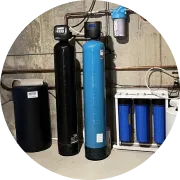
In fact, softened water actually has a slightly higher sodium content, which some people prefer not to drink. For the ultimate home water setup, we often recommend pairing a whole-house water softener or well water conditioning system with an under-sink reverse osmosis system. The softener protects your home’s plumbing and appliances, while the RO system purifies your drinking and cooking water.
Frequently Asked Questions About Purified Water
Navigating water filtration can bring up many questions. Here are some of the most common inquiries we receive from homeowners in neighborhoods like Jefferson Park and nearby suburbs like Des Plaines.
Is Reverse Osmosis Water Safe and Healthy to Drink?
Yes, reverse osmosis water is highly safe and healthy to drink. Some people worry that because RO is so effective, it removes beneficial minerals like calcium and magnesium from the water.
While it is true that RO removes these minerals, the human body primarily absorbs its essential minerals from food, not from drinking water. You would have to drink hundreds of gallons of tap water to get the same amount of calcium found in a single slice of cheese!
However, for those who prefer the taste and slight alkalinity of mineral-rich water, advanced systems like our PEL75 9-Stage RO System feature an active remineralization stage. This stage reintroduces controlled amounts of beneficial calcium and magnesium back into the water after it has been purified, balancing the pH and giving the water a smooth, natural taste.
How Often Do Reverse Osmosis Membranes Need to Be Replaced?
To keep your system running efficiently and ensure your water remains pure, regular maintenance is essential. A typical multi-stage RO system relies on several different filters:
- Pre-Filters (Sediment and Carbon): These protect the delicate RO membrane by filtering out larger rust particles, sediment, and chlorine. They typically need to be replaced every 6 to 12 months.
- The RO Membrane: Because of its self-cleaning cross-flow design, the main reverse osmosis membrane lasts much longer, usually requiring replacement every 2 to 3 years depending on your household’s water usage.
- Post-Filters and Remineralizers: These final polishing stages should be replaced every 12 months to maintain optimal taste and pH balance.
Working with professional technicians ensures that your system is properly sanitized and serviced on schedule, protecting your investment and your family’s health.
Why Installing an In-Home RO System Beats Buying Bottled Water or Delivery Services
While ordering 5-gallon jugs or buying bottled water are common ways to get purified water, installing an in-home system offers unmatched convenience.
Hauling 5-gallon jugs (which weigh over 40 pounds each) is a physical strain, and storing empty jugs takes up valuable floor space in your home or office. Delivery services also require you to be home for drop-offs and involve recurring monthly fees that never end.
With an under-sink system like the PEL75 9-Stage RO System, you have an endless, on-demand supply of purified water right at your kitchen tap. There are no heavy bottles to lift, no plastic waste to discard, and no delivery schedules to manage. It is the most seamless, cost-effective, and sustainable way to enjoy pure water every single day.
Conclusion
Finding the right source of clean water is one of the most important decisions you can make for your household or business. While searching for reverse osmosis water for sale might lead you to plastic bottles or delivery services, investing in a dedicated home filtration system is often the smartest, most sustainable choice for long-term health and convenience.
At ProEcoLife, we have been proud of our deep Chicago roots since 2014. Founded by Karol Dolega, our mission has always been to help local families navigate the unique water challenges of the Chicago area. Whether you are dealing with lead concerns in older homes on the Northwest Side in Norwood Park, Edison Park, or Jefferson Park, or hard water in suburbs like Niles, Des Plaines, Skokie, Glenview, Arlington Heights, and Morton Grove, we are here to help.

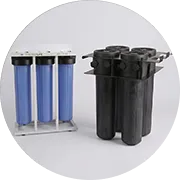
Our signature PEL75 9-Stage RO System uses ProEcoLife’s proprietary multi-stage technology, combining sediment reduction, carbon block filtration, molecular-level membrane purification, and alkaline remineralization to deliver clean, better-tasting water. We also offer a full range of water treatment solutions, including Whole House Filtration, Shower Filter System, Well Water Conditioning, and Commercial Water Filtration Systems.
To learn more about how we can help improve your tap water, read our guide on the top reverse osmosis system options in chicago for pure water, discover why the reverse osmosis process is so highly recommended, or check out our location details on Proecolife Water Corp – Chicago, IL – MapQuest . You can also learn more about reverse osmosis systems to see how they can benefit your home.
To ensure your home or business has access to cleaner, better-tasting water, contact ProEcoLife today to schedule a water test at proecolife.com.