



What Is KDF 85 Media and How Does It Work?
KDF 85 is a specialized water treatment medium made from high-purity copper-zinc alloy granules. Unlike synthetic resin or sacrificial chemical additives, KDF 85 relies on an oxidation-reduction (redox) process. When water flows through the bed, an electro-chemical reaction takes place that transfers electrons between contaminants and the metal alloy.
For homeowners in Chicago’s Northwest Side neighborhoods like Norwood Park, Edison Park, and Jefferson Park, municipal tap water sourced from Lake Michigan is treated for biological pathogens, but aging city infrastructure can introduce heavy metals or particulate rust. In nearby suburban areas like Des Plaines, Park Ridge, and Glenview—where well water or blended supplies are often used—iron and dissolved gas odors become primary concerns.
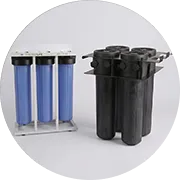
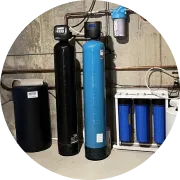
Integrating KDF 85 media into advanced systems, such as our Whole House Filtration and Well Water Conditioning configurations, allows us to target heavy metals, soluble iron, and sulfur before water reaches indoor fixtures. To understand where redox media fits into a broader residential setup, you can read our breakdown on How Water Treatment Works: The 5 Essential Stages Explained.
Catalytic Oxidation of Ferrous Iron and Hydrogen Sulfide
In groundwater, iron usually exists as soluble ferrous cations. Because ferrous iron is invisible and completely dissolved, it easily passes through standard sediment filters. KDF 85 acts as a catalyst in the presence of dissolved oxygen, converting soluble ferrous iron into insoluble ferric hydroxide precipitates.
According to industry data on KDF 85 Process Medium Removes Iron, systems with adequate dissolved oxygen may help eliminate up to 98% or more of soluble iron. Similarly, hydrogen sulfide (which causes a distinct rotten-egg smell) is converted into insoluble copper sulfide particles through electron transfer:
- Soluble ferrous iron is oxidized into insoluble ferric hydroxide.
- Dissolved hydrogen sulfide gas is reduced to an insoluble copper sulfide precipitate.
- Chlorine and water-soluble heavy metals undergo redox conversion into harmless chloride ions or bound elemental precipitates.
Because these insoluble solids accumulate directly inside the filter bed, performing a frequent kdf 85 backwash is necessary to flush them out to the drain line.
Operating Parameters: Density, Flow Rates, and Freeboard
KDF 85 is significantly heavier than conventional filtration media such as granular activated carbon or greensand. It features an apparent density of approximately 171 pounds per cubic foot. Because of this extreme weight, hydraulic engineering plays a critical role in system performance.
| Parameter | Recommended Specification |
|---|---|
| Media Density | 171 lbs./cu. ft. |
| Service Flow Rate | 15 gpm/sq. ft. of bed surface |
| Minimum Bed Depth | 15 inches (for a standard 6-inch diameter tank) |
| Freeboard Space | Minimum 20% of total tank height |
| Recommended pH Range | 6.5 to 8.5 |
The high density allows for elevated service flow rates—up to 15 gpm per square foot of surface area, which is nearly three times higher than traditional media beds. However, to keep pressure drop low and ensure proper media lifting, the pressure tank must maintain at least 20% freeboard space. For additional details on heavy-duty iron filtering units, consult our guide on Everything You Need to Know About 20-Inch Iron Water Filters.
Need Clean, Safe Water at Home?
Get a free water test at your home or business. We install and service whole-house filtration and PEL75 reverse osmosis systems across Chicagoland. We also take select projects in Wisconsin and Indiana.
Book a Free Water TestCall (312) 889-8888The Essential Engineering Specifications for a KDF 85 Backwash
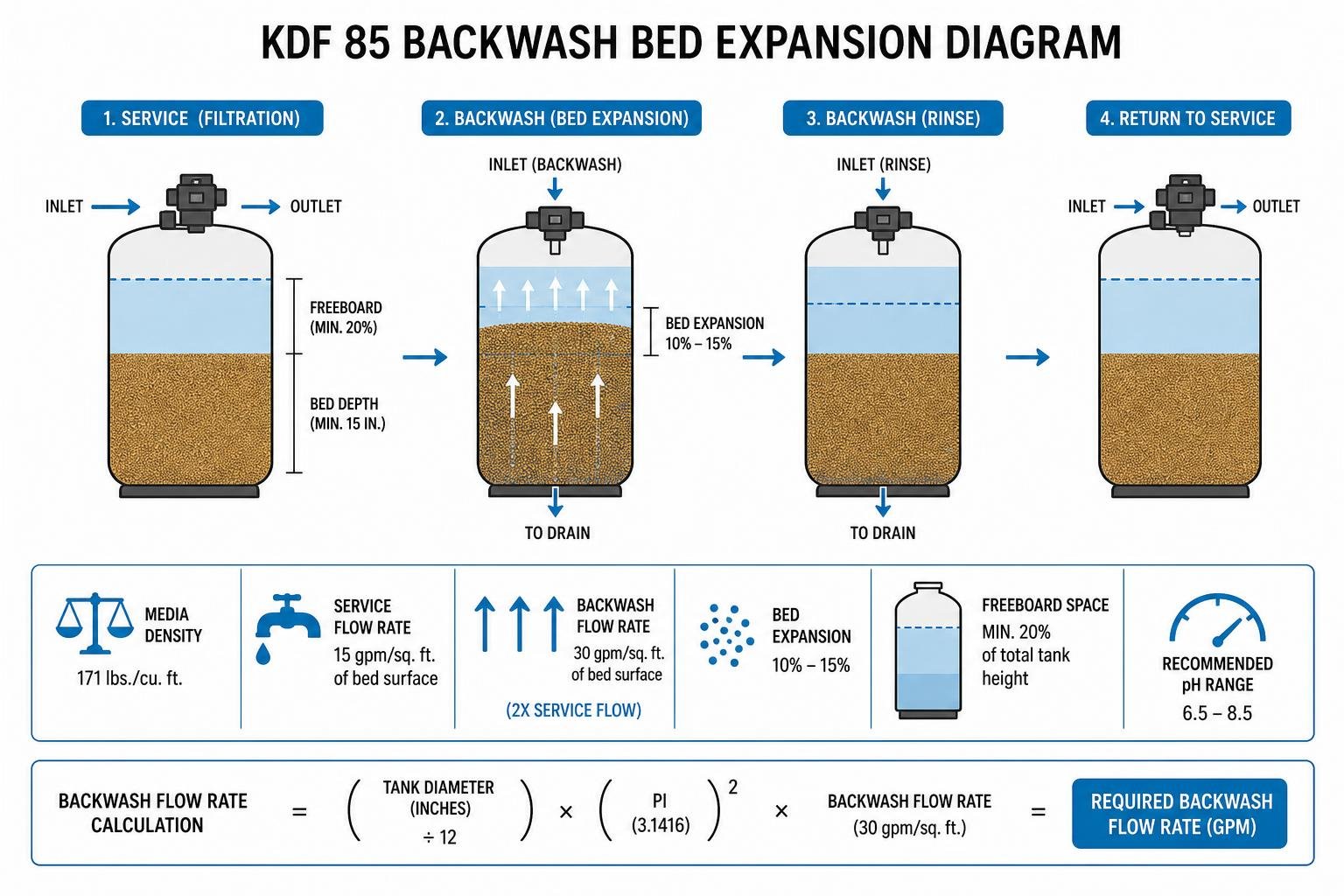
Because KDF 85 granules weigh 171 lbs/cu. ft., standard low-flow backwash valves cannot properly fluidize the media bed. Fluidization means lifting individual granules into a suspended state so trapped ferric hydroxide and copper sulfide particles can break free and wash out the drain.
Calculating the Ideal KDF 85 Backwash Flow Rate
To achieve fluidization, a kdf 85 backwash requires a flow rate of 30 gallons per minute per square foot of bed surface area—exactly twice its normal service flow rate. Technical documentation from KDF 55 & 85 Granules | Alliance WT highlights that this hydraulic force is required to achieve the ideal 10% to 15% bed expansion.
Calculating the necessary backwash flow rate requires evaluating tank surface area:
- Determine the internal diameter of the mineral tank in inches.
- Calculate the surface area in square feet (A = π × r² / 144).
- Multiply the square footage by 30 gpm/sq. ft.
For example, an 8-inch diameter tank has roughly 0.35 square feet of surface area, requiring a backwash rate of approximately 10.5 gpm. A 10-inch diameter tank (0.54 sq. ft.) requires over 16 gpm of clean water during backwashing.
Water temperature also impacts backwash dynamics due to changes in fluid viscosity. Colder water—such as groundwater in Niles, Skokie, or Morton Grove during northern Illinois winters—is more dense and lifts heavy media at slightly lower flow rates. In contrast, warmer summer water requires higher flow velocities to maintain proper bed expansion.
Step-by-Step KDF 85 Backwash Cycle and Timing
A proper cleaning routine requires a structured multi-stage cycle programmed directly into the automatic control valve:
- Backwash Cycle (10 minutes): Raw or treated water flows in reverse—upward through the distributor tube, lifting the heavy KDF bed by 10% to 15% and flushing collected iron solids out through the top drain port.
- Purge / Rapid Rinse Cycle (3 minutes): Water flow reverses back to downward service orientation at twice the service flow rate, settling the media bed evenly and rinsing out residual loose debris before returning to service mode.
Backwashing should be scheduled at least three times per week. In homes with elevated iron levels or high water usage in suburban areas like Arlington Heights and Glenview, daily backwash cycles may be needed to prevent media blinding.
Need Clean, Safe Water at Home?
Get a free water test at your home or business. We install and service whole-house filtration and PEL75 reverse osmosis systems across Chicagoland. We also take select projects in Wisconsin and Indiana.
Book a Free Water TestCall (312) 889-8888Hardware and Valve Requirements for KDF 85 Systems
Operating a high-density redox filter requires specialized control hardware, plumbing lines, and internal distributors capable of handling high backwash flow rates without restricting water velocity.

Choosing Control Valves and Distributors for KDF Media
When our team configures whole-house equipment, we select valve assemblies designed for heavy-media fluidization. For detailed insights on whole-home media tanks, check out our guide on All About Whole House Filters.
- 3-Cycle Backwash Valves: Used for standard residential residential tanks requiring between 3 and 25 gpm backwash delivery. Internal flow restrictors must be resized or removed to allow full water volume.
- Diaphragm Nest Valves: Recommended for commercial installations requiring flows from 36 to 324 gpm.
- Distributor Systems: Fine-slotted basket distributors are specified for smaller tanks (3 to 11 gpm), while larger vessels require hub-and-lateral distribution networks with a #8 garnet underbedding layer to distribute fluidizing water evenly across the tank base.
Proper pipe sizing from the pressure tank to the drain line is equally critical. Undersized drain lines create backpressure that stifles fluidization, preventing full bed expansion.
Consequences of Failure in KDF 85 Backwash Protocols
When backwashing instructions detailed in the official Technical Bulletin are neglected or paired with weak control valves, severe operational failures occur:
- Media Bed Compaction: Heavy copper-zinc granules solidify into a rigid block at the bottom of the tank.
- Hydraulic Channeling: Water carves narrow pathways through compacted media, bypassing the redox reaction entirely and letting raw iron pass through into indoor plumbing.
- Severe Pressure Drop: Accumulated ferric hydroxide gels clog spaces between granules, starving the home of water pressure.
- Irreversible Biofouling: Unpurged organic matter and sulfur solids collect inside unwashed beds, shortening media lifespans and requiring costly full media replacement.
Frequently Asked Questions About KDF 85 Backwash
How often should KDF 85 media be backwashed?
KDF 85 media should be backwashed at least three times per week. If your water source contains high concentrations of iron or hydrogen sulfide gas, backwashing daily or every other day may help maintain optimal catalytic efficiency and prevent media bed packing.
What flow rate is required for a proper KDF 85 backwash?
A proper kdf 85 backwash requires a flow rate of 30 gallons per minute per square foot of bed surface area. This rate is approximately double the standard service flow rate and is necessary to lift and fluidize media weighing 171 lbs/cu. ft.
How does water temperature affect the backwash rate?
Cold water has higher viscosity and density, which lifts heavy redox media more easily at lower flow velocities. Warmer water is less dense and requires higher backwash flow rates to achieve the necessary 10% to 15% bed expansion.
Conclusion
Since 2014, ProEcoLife founder Karol Dolega has led our mission to deliver honest, local expertise for Chicago’s unique municipal and well water conditions. From addressing hard water in suburban areas like Park Ridge, Des Plaines, and Mount Prospect, to protecting homes from city infrastructure contaminants with our advanced PEL75 9-Stage RO System and whole-house equipment, proper maintenance is essential for long-term filter performance.
A kdf 85 backwash is essential for maintaining catalytic iron and sulfide reduction performance in heavy-duty redox filters. Ensuring correct backwash flow rates, proper valve sizing, and regular 10-minute rinse cycles helps protect your media investment and keep clear, clean water flowing throughout your entire home.
To learn more about our custom filtration options, browse our complete range of Whole House Filtration Systems. For personalized guidance or to schedule a water test for your property, visit us online at proecolife.com today.