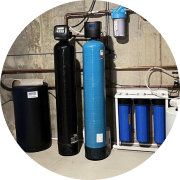

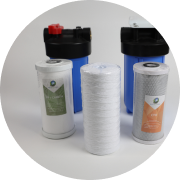

Trying to pick the right lead water filter in Chicago can be a headache, especially with all the talk about old pipes and water safety. If you live in the city, you probably know someone who’s been worried about lead in their tap water. With so many different kinds of filters and systems out there, it’s easy to get lost. This guide is here to break things down simply, so you can figure out what really matters for your home and your family in 2026.
Key Takeaways
- Chicago has a lot of old plumbing, which means lead can still get into your water even if city tests look okay.
- Getting your water tested by a pro is the only way to know for sure what’s coming out of your tap.
- Look for a lead water filter Chicago that’s certified to remove lead, not just improve taste or odor.
- Reverse osmosis and activated carbon filters are two of the most trusted options for lead reduction.
- Professional installation and regular filter changes make a big difference in how well your system works.
Understanding lead contamination in Chicago’s water

Chicago’s water system, while generally safe, faces a unique challenge: lead. This isn’t usually a problem with the water treatment itself, but rather with the pipes that carry it to your home. Many older buildings in Chicago still have lead service lines connecting them to the city’s main water supply. Over time, these lead pipes can corrode, releasing lead particles into your tap water.
How lead enters the water supply
Lead typically gets into drinking water through the corrosion of plumbing materials containing lead. This can happen in a few ways:
- Lead Service Lines: These are the pipes that run from the water main under the street to your home’s water meter. Chicago has more of these than almost any other city in the U.S.
- Internal Plumbing: Older homes might also have lead pipes, lead solder used in joining copper pipes, or brass fixtures that contain lead.
- Water Chemistry: Water that is more corrosive (e.g., has a low pH) can speed up the leaching of lead from pipes.
Health impacts of lead exposure
Lead is a serious health concern, especially for children. Even low levels of lead in the body can cause significant problems. For kids, this can mean developmental delays, learning difficulties, and behavioral issues. For adults, long-term exposure can lead to cardiovascular problems, kidney damage, and reproductive issues. It’s important to remember that lead is toxic and has no known safe level of exposure.
Regulations and limits for lead in tap water
In the United States, the Environmental Protection Agency (EPA) has set an action level for lead in drinking water. This isn’t a maximum contaminant level, but rather a trigger for water systems to take action if lead is found above a certain concentration. The current action level is 15 parts per billion (ppb).
Here’s a quick look at how this works:
- Action Level: 15 ppb (parts per billion)
- Testing: Water systems test water at customer taps.
- Trigger for Action: If more than 10% of tap samples exceed the action level, the water system must implement additional steps to reduce lead.
While the city works to replace lead service lines, homeowners can take steps to protect themselves. Understanding how lead gets into your water is the first step in choosing the right filtration solution.
Evaluating your home’s risk and water quality
Before you even start looking at filters, it’s a good idea to figure out what you’re dealing with in your own home. Chicago, like many older cities, has a lot of older plumbing, and that’s where lead can become a problem. It’s not always obvious, and you can’t see, smell, or taste lead in your water, so you need to do a little digging.
Identifying lead service lines and plumbing
Lead usually gets into your water from lead service lines, which are the pipes that connect your home to the city’s water main. Older homes might also have lead pipes or lead solder in their internal plumbing. The city of Chicago has been working to replace these lead service lines, but it’s a huge job, and many are still in place, especially in older neighborhoods. You can sometimes find out if your home has a lead service line by checking with the city or looking at your water bill for any notices. Sometimes, you might need to do a visual inspection yourself, looking at the pipe where it enters your home. If it’s a dull gray metal and you can scratch it easily to reveal a shiny silver surface, it’s likely lead.
The importance of professional water testing
This is probably the most important step. While you can guess about lead service lines, testing your actual tap water is the only way to know for sure if lead is present and at what levels. You can get DIY test kits, but for the most accurate results, especially when dealing with something as serious as lead, it’s best to use a professional service. They use certified labs and can test for a range of contaminants, not just lead. This gives you a complete picture of your water quality. Knowing exactly what’s in your water helps you choose the right filter, rather than just guessing.
What Chicago water reports reveal
The City of Chicago provides water quality reports, which can offer a general overview of the water coming from Lake Michigan. These reports are usually published annually and detail things like disinfectant levels, mineral content, and any detected contaminants. However, they reflect the water quality before it enters your home’s plumbing. Lead contamination is a "last mile" problem, meaning it can enter the water after it leaves the city’s treatment facilities and travels through your pipes. So, while these reports are informative, they don’t tell you the specific story of your household water. You can usually find these reports on the City of Chicago’s official website.
Understanding your home’s specific water situation is key. It’s not just about the city’s water quality, but how that water interacts with the pipes and fixtures in your house. Testing is the best way to get this personalized information.
Key features of an effective lead water filter Chicago residents need
Choosing a water filter for Chicago’s older homes isn’t just about picking the first one you spot at the hardware store. There are a few technical details—and a couple of practical things—that absolutely matter if you want real lead protection. Let’s break down which features actually make a difference for families here.
Types of lead filtration technologies
Chicago tap water runs through some pretty old infrastructure, so you’ll want a system that can handle more than just taste and odor. Common lead filtration methods include:
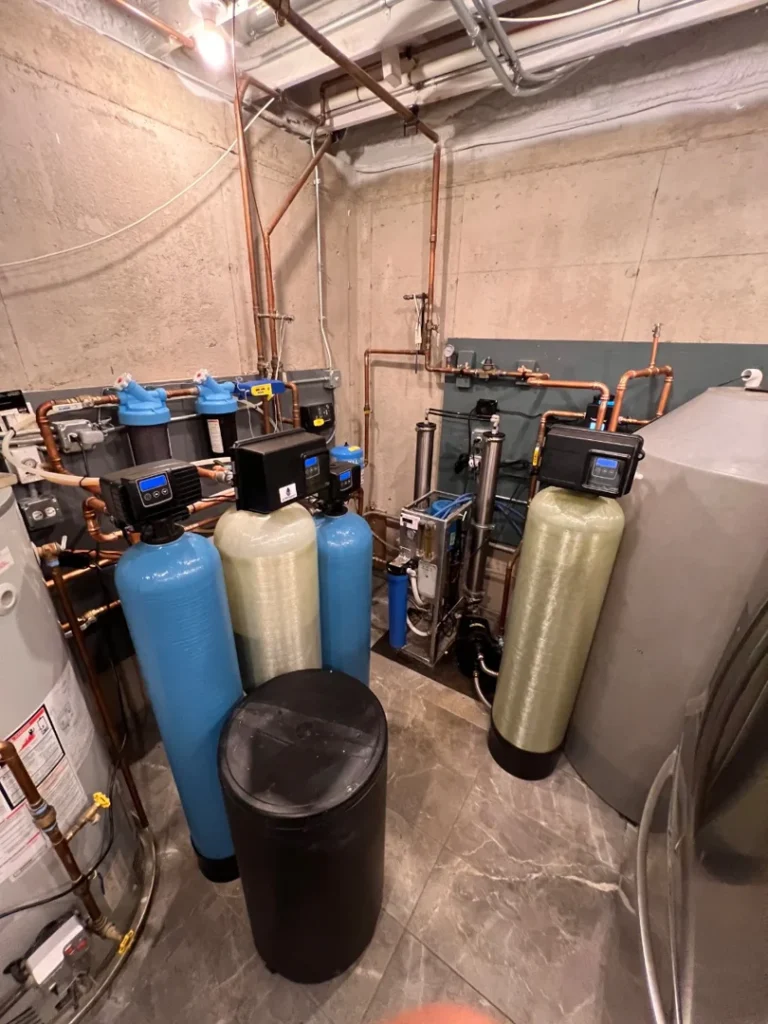
- Reverse Osmosis (RO): For the most thorough filtration, a reverse osmosis system uses a super-fine membrane. These systems can block even tiny lead particles—up to 98% removal—making them a top pick for whole-home safety. Some models, like multi-stage RO systems, even add minerals back in for taste and health.
- Activated Carbon Filters: Cheaper and good for drinking water faucets, these use carbon to trap and absorb lead as water passes through. They’re best for low lead levels or a second line of defense.
- Specialty Media & Combination Filters: Some advanced filters use a mix of technologies—carbon, ceramic, KDF, or ion exchange resin—to target specific issues like lead, chlorine, and other heavy metals. Often combined for better performance, especially in custom Chicago installations.
| Filtration Technology | Average Lead Removal Rate | Good for |
|---|---|---|
| Reverse Osmosis (RO) | 95%–98% | Whole home, kitchens |
| Activated Carbon | 70%–90% | Sinks, pitchers |
| Specialty Combination | 80%–99% | Whole home, custom uses |
Most Chicagoans with older plumbing will find reverse osmosis or combo filters the most reliable for lead. Pitcher and faucet filters are helpful, but often only a partial fix.
Certifications to look for in a filter
Buying a filter without certifications is like buying medicine without a label—you just can’t trust it. In Chicago, you’re looking for these:
- NSF/ANSI 53: Sure sign the filter removes lead and some other dangerous metals.
- NSF/ANSI 58: Applies specifically to reverse osmosis systems; covers heavy metal and chemical removal.
- WQA Gold Seal: Endorses products after independent lab testing.
Always double check the packaging or product info. Certified filters have been through formal testing, so you don’t have to take a wild guess.
Whole house versus point-of-use solutions
There’s a big difference between filtering water at just one tap and protecting water throughout the home:
- Point-of-Use Filters (Faucet, Pitcher, Under-Sink):
- Focus on water you drink or cook with directly.
- Less expensive upfront (but require regular cartridge changes).
- Limited protection—you’ll still shower and wash with unfiltered water.
- Whole-House Filters:
- Installed at your water’s entry point.
- Filter all water used in bathrooms, laundry, and kitchen.
- More expensive to buy and install, but protects pipes, skin, and appliances from long-term lead exposure.
Some companies, like advanced reverse osmosis water purification systems, offer a range of options so you can match your solution to your home’s needs.
- For renters, a faucet or pitcher filter is probably the simplest win.
- For homeowners—especially in Chicago neighborhoods with old pipes—whole house or under-sink RO is worth the higher cost for peace of mind.
If you suspect your house has lead pipes, don’t wait. Even if your water meets regulations at the street, the real lead risk is usually inside your walls.
Comparing popular lead water filter options in Chicago
Choosing the right filter can feel overwhelming. Every home in Chicago has its own water needs, and with so many products out there—reverse osmosis, carbon filters, those mineral add-ons—you really want to be sure you’re focusing on what matters for your home.
Reverse Osmosis Systems and Their Benefits
Reverse osmosis (RO) systems are an option for people who want serious filtration. RO units use a special membrane to block lead and a wide range of other contaminants. Chicago’s older plumbing often means higher risk, so this thoroughness is handy.
What makes reverse osmosis stand out is how well it removes not just lead, but also chlorine, bacteria, and many industrial pollutants. However, RO can take out healthy minerals, and some people don’t like the taste of the ultra-purified water. If that’s a concern, consider a system with a mineral-addition stage to restore calcium and magnesium.
Here’s a quick comparison for key RO features:
| Feature | Typical RO System | Standard Carbon Filter |
|---|---|---|
| Removes Lead | Up to 98% | Up to 90-95% |
| Removes Bacteria | Yes | No |
| Mineral Addition | Optional (some systems) | No (unless specified) |
| Maintenance | Medium (annual) | Low (twice–yearly) |
| Price Range | $$$ | $$–$$$ |
RO systems like the PEL75 multi-stage system offer purification plus the option to add healthy minerals back into your water, which is a plus for homes using aging pipes.
Activated Carbon Filters for Lead Reduction
Activated carbon filters work differently—they grab contaminants using “adsorption.” This is a great, low-hassle method and perfect for chlorine, weird smells, and some heavy metals. The downside: not all carbon filters handle lead well unless specifically designed for it (check for NSF/ANSI Standard 53 certification for lead removal).
- Easy to install; some attach directly to faucets or sit under the sink.
- Good for improving taste and smell as well as reducing bad stuff.
- Typically less expensive and easier to replace than RO systems.
If your water has both lead and taste issues—but you’re on a budget—a solid carbon block filter checked for lead can be a smart pick.
Specialty Filters: Mineralization and Other Enhancements
Some filtration units go beyond just removing stuff—they add things back in, like minerals or “energy” through infrared light. Remineralization is especially nice after an RO system that strips water down to basics. These specialty options offer:
- Added calcium/magnesium for taste and health.
- pH-balancing to make water less acidic.
- Bonus features like antioxidant support or improved hydration with alkaline or shungite filters.
If you’ve ever thought plain filtered water tastes flat, a filter with a mineral stage could be for you. Just know these are usually add-ons, not standalones, and always check that the main filter meets standards for lead—not just taste.
When picking a lead water filter in Chicago, start by asking what you care about most: health protection, water taste, mineral content, or easy upkeep. It’s okay if you don’t love the first filter you try—there’s a good chance another option will fit your situation better.
Installation and maintenance considerations for Chicago homeowners
Installing a lead water filter in your Chicago home isn’t just about plugging in a device and hoping for safer water. You need to think about professional setup, knowing when to swap out filters, how much ongoing care is required, and what kind of support the provider offers. Here’s what Chicago homeowners should weigh:
Professional vs. DIY Installation
For most lead filtration systems, professional installation is the simpler, safer choice. Chicago’s older plumbing, including possible lead service lines, can be tricky. Even if you’re handy, connecting a whole-house or multi-stage under-sink unit the wrong way could mean leaks, poor performance, or even more exposure to contaminants.
- Professional installers know how to connect systems to Chicago’s unique plumbing setups
- Some providers include installation in the purchase price, with no hidden charges
- Technicians will test, calibrate, and explain the filter’s operation before leaving
Ongoing Filter Replacement and Care
No filter lasts forever. How often you replace parts depends on your water source, usage, and system type. Here’s a typical schedule:
| Filter Type | Typical Replacement Interval | Notes |
|---|---|---|
| Activated Carbon Cartridge | Every 6–12 months | May need more frequent changes if water is heavily contaminated |
| Reverse Osmosis Membrane | Every 2–3 years | Membrane lifespan varies by use |
| Sediment Pre-Filters | Every 6–12 months | Cheap but vital for system life |
- Mark your calendar or sign up for reminders from your provider
- Look for systems with easy-to-swap filters (no plumbing knowledge needed)
- Ask if used filters can be recycled locally
Staying on top of filter changes is the difference between actual protection and a false sense of security.
Warranties and Support from Local Providers
When you invest in filtration, peace of mind matters. A strong warranty and easily available support are huge perks for Chicagoans.
- Trusted providers should offer:
- Warranty coverage on both parts and labor—double-check the fine print
- Service calls for emergency issues or leaks
- Prompt help for technical questions or annual maintenance
- Transparent pricing—no surprise bills for regular checkups
If your provider is local, you’ll get faster service, real Chicago plumbing knowledge, and a better response in emergencies. Always ask what’s included up front, and check online reviews about responsiveness before you buy.
Many Chicago homeowners feel reassured knowing they’re backed by a company familiar with neighborhood plumbing quirks and local water quality headaches.
The role of local experts and service providers
When you’re looking to get a lead water filter for your Chicago home, it’s easy to get lost in all the technical details. That’s where local experts and service providers really come in handy. They know the specific water issues Chicago faces, like the old pipes and service lines that can add lead to your water.
Choosing a certified water filtration company
It’s smart to look for companies that are actually certified. This means they’ve met certain standards for quality and service. A certified company usually has technicians who know their stuff and follow best practices. They’re often up-to-date on the latest filtration technologies and local regulations. Think of it like getting a plumber who’s licensed – you have a bit more confidence they know what they’re doing.
Benefits of local, Chicago-based support
Going with a local Chicago company has its perks. For starters, they understand the local water quality reports and what they mean for your home. They can often respond faster if you need service or have an emergency because they’re already in the area. Plus, supporting a local business means your money stays within the community. It’s also easier to build a relationship with a local provider for ongoing maintenance and filter replacements.
What to expect from a consultation and installation
When you connect with a local expert, the first step is usually a consultation. They’ll likely ask about your concerns, maybe look at your plumbing, and often offer a water test. This helps them figure out the best filter for your situation.
Here’s a typical process:
- Water Testing: They’ll test your water to see what contaminants are present, especially lead.
- System Recommendation: Based on the test results, they’ll suggest a filter system that fits your needs and budget.
- Professional Installation: Certified technicians will install the system. This usually includes connecting it to your water lines, making sure it works right, and showing you how to use it.
- Follow-up Support: Good companies offer ongoing support, like filter replacement reminders and service calls if needed.
Working with local professionals means you get a solution tailored to Chicago’s water challenges, backed by service you can count on. It takes a lot of the guesswork out of choosing and maintaining a filter, giving you peace of mind about your family’s drinking water.
Balancing filtration performance with health and sustainability
Choosing a lead water filter in Chicago isn’t just about getting clean water—it’s about making sure the water you drink is both safe and healthy over the long run, without harming your wallet or the environment.
Retaining healthy minerals in drinking water
Reverse osmosis and advanced filtration systems are known for removing nearly all contaminants, but they can also strip away good minerals like calcium and magnesium. Many people in Chicago have started looking for systems that don’t just clean water—they build it back up.
- Mineralization filters: These add back essential electrolytes and minerals after filtration, improving both taste and hydration.
- Alkaline stages: Balance water pH, which can be gentler on your stomach than acidic tap water.
- Multi-stage options: Some filters now combine RO, carbon, remineralization, and specialty cartridges for a balanced profile.
If your water tastes flat after filtration, it might be because all the minerals have been removed—adding a mineral stage can make a huge difference and support your daily wellness.
Eco-friendly and cost-saving water solutions
Water filtration used to mean a pile of plastic cartridges and wasted water. Newer systems are much more efficient.
- Reusable filter housings: Some brands offer refillable cartridges, cutting down on single-use plastics.
- Efficient reverse osmosis: Look for systems with improved waste ratios (for example, 1:1 clean to waste water, versus 4:1 on old models).
- Local recycling programs: Many Chicago providers will recycle old filters and cartridges for you.
Here’s a simple table comparing feature impact:
| Feature | Environmental Impact | Cost Savings | Health Benefit |
|---|---|---|---|
| Mineralization After RO | Neutral | Moderate | Restores essential ions |
| Efficient Water Usage (1:1) | Positive | High | No impact |
| Cartridge Recycling Programs | Positive | Moderate | No impact |
Reducing bottled water dependency in your home
One of the quietest money drains in Chicago homes is bottled water. Installing a quality filter—whether under-sink, whole house, or even a shower filter—means you’re less likely to stock up at the store.
- Saves hundreds each year by replacing bottled water with filtered tap.
- Cuts down plastic waste from single-use bottles, which are rarely recycled locally.
- Reliable access: You always have safe, healthy water on hand, with no need to panic-buy before a boil advisory or plumbing repair.
Making your home less dependent on bottled water is easier than you might think, and it’s one of the most impactful family habits for both your wallet and the planet.
If you’re looking to balance strong filtration with keeping your water healthy—while also keeping an eye on cost and sustainability—ask for these features when choosing your next Chicago lead filter system. Your water, your body, and even your trash bin will be better for it.
Finding the right water filter means making sure your water is clean, while also caring about your health and the planet. It can seem hard to get it all right, but you don’t have to do it alone. Want help choosing a smart and safe system? Visit our website now to explore your best options!
Conclusion
Picking the right lead water filter in Chicago isn’t always simple, but it’s worth the effort. With so many older pipes in the city, lead can sneak into your tap water even if the city says everything is up to code. The good news is, there are solid options out there—whether you want a filter for just your kitchen sink or something for the whole house. Start by getting your water tested so you know what you’re dealing with. Then, look for a filter that’s proven to remove lead and fits your home’s needs. Don’t forget to check if installation and maintenance are included, since that can save you a lot of hassle down the road. At the end of the day, clean water is something every family deserves. Take your time, ask questions, and choose a system that gives you peace of mind every time you turn on the tap.
Frequently Asked Questions
Why is lead in Chicago’s water a problem?
Chicago has many old pipes made of lead that can release lead into the water as it travels to your home. Even if your home’s pipes are new, the pipes connecting to the city’s water main might be made of lead. Drinking water with lead can be harmful, especially for kids, as it can affect their brain development and cause other health issues for adults too.
How can I tell if my home has lead pipes?
It can be tricky to know for sure. Lead pipes are usually dull gray, look like solid metal, and are often found where the water pipe enters your home. Sometimes, you can find out by checking with your water utility or by looking at records for your house. The best way to know for sure is to get your water tested by a professional.
What kind of water filter is best for removing lead in Chicago?
For lead removal, filters that use activated carbon or reverse osmosis are usually the most effective. Look for filters that are certified by NSF International (NSF) to specifically remove lead. These filters physically trap or absorb the lead particles from your water.
Do I need a filter for my whole house or just for drinking water?
It depends on your situation. A whole-house filter treats all the water coming into your home, which is great for protecting your plumbing and reducing lead exposure from showers and baths. If lead is only a concern for drinking and cooking, an under-sink or faucet filter might be enough. A water test can help you decide.
How often do I need to change the filters?
Filter replacement schedules vary depending on the type of filter and how much water you use. Most manufacturers recommend changing cartridges every 6 to 12 months. It’s important to follow the manufacturer’s instructions to ensure your filter keeps working effectively to remove lead.
Are there any local Chicago companies that can help me choose and install a filter?
Yes, absolutely! There are local Chicago businesses that specialize in water filtration. They can test your water, recommend the right filter for your needs, and even install it for you. Choosing a local company means they understand Chicago’s specific water issues and can provide quick service.