

Living in Chicago, you want to make sure the water you and your family drink is clean and safe. Sometimes, the tap water might not taste the best or you might worry about what’s in it. Good news is, there are lots of ways to treat your home water right here in Chicago. We’re going to look at some of the top options out there for getting better water at home, so you can have peace of mind with every glass.
Key Takeaways
- Under-sink RO systems are great for providing purified drinking water directly from your kitchen faucet.
- Whole house filtration systems treat all the water entering your home, benefiting everything from showers to appliances.
- Specialty filters like alkaline, mineral, infrared, and shungite filters offer unique benefits beyond basic purification.
- Considering your specific water needs, like well water, is important for choosing the right conditioning system.
- A 9-stage reverse osmosis system provides a thorough purification process, removing a wide range of contaminants.
1. Under sink ro systems
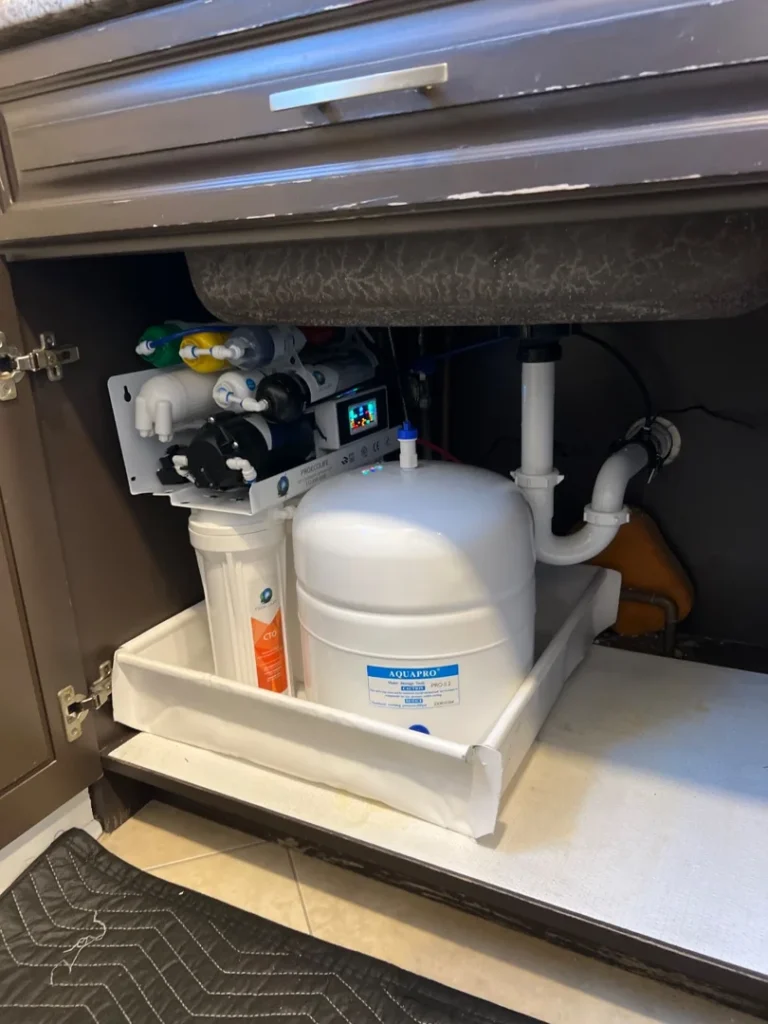
When you think about getting cleaner water right in your kitchen, under-sink Reverse Osmosis (RO) systems are a really popular choice. These units tuck away neatly under your sink, so they don’t take up any counter space, which is a big plus for many kitchens. They work by pushing your tap water through a series of filters, including a special semi-permeable membrane. This membrane is super fine, and it’s really good at catching a lot of the stuff you don’t want in your water, like dissolved solids, heavy metals, and even some bacteria and viruses.
The process typically involves several stages to get your water as pure as possible.
Here’s a general breakdown of what happens:
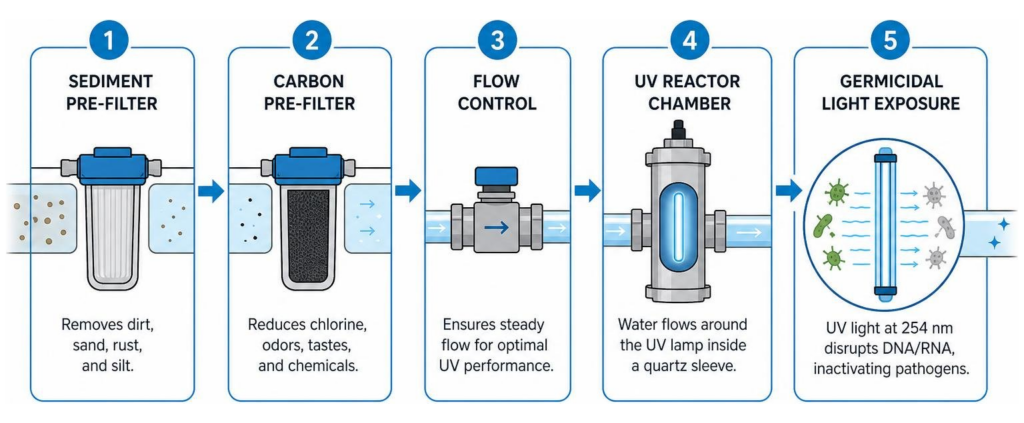
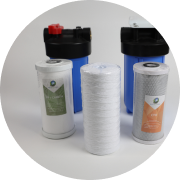
- Sediment Filter: This is usually the first step. It catches larger particles like dirt, sand, and rust. This protects the other filters, especially the RO membrane, from getting clogged up too quickly.
- Pre-Carbon Filter: Next, this filter takes on chemicals like chlorine and other organic compounds. It helps improve the taste and smell of the water before it even gets to the main event.
- Reverse Osmosis Membrane: This is the heart of the system. It’s a very fine filter that removes up to 98% of dissolved solids, heavy metals (like lead, which can be a concern in older Chicago pipes), and other contaminants.
- Post-Carbon Filter: After the RO membrane, this filter polishes the water one last time. It removes any lingering tastes or odors, making sure your water is crisp and refreshing.
- Optional Stages: Some systems go even further. They might include alkaline filters to rebalance the pH, mineral filters to add back healthy minerals that were removed, or even infrared or shungite filters for added benefits.
These systems are great because they provide a dedicated source of highly purified water, often through a separate faucet installed next to your main kitchen tap. It’s a convenient way to get clean drinking and cooking water without having to buy bottled water all the time. Plus, with professional installation, you can be sure it’s set up correctly to work efficiently for years to come.
2. Whole house filtration
When you want clean water everywhere in your home, not just at the kitchen sink, a whole house filtration system is the way to go. This setup treats all the water coming into your house, right from the main line. Think of it as a guardian for every faucet, showerhead, and appliance.
This system is installed at the point of entry, meaning it filters water before it even reaches your taps. It’s a pretty smart setup because it not only gives you better water throughout your home but also helps protect your plumbing and appliances from things like sediment and chlorine. This can mean longer life for your water heater, washing machine, and even your coffee maker.
Here’s what you can expect from a whole house filtration system:
- Consistent Water Quality: Every tap in your home will deliver filtered water, improving taste and reducing contaminants. This means better-tasting coffee, clearer ice cubes, and water that’s safer for cooking and drinking.
- Appliance Protection: By removing sediment and chlorine, these systems help prevent scale buildup and corrosion in appliances that use water, potentially saving you money on repairs and replacements.
- Healthier Showers: Shower filters are great, but a whole house system means even your shower water is free from chlorine and other chemicals that can dry out your skin and hair.
- Reduced Bottled Water Use: With great-tasting water available from every tap, you’ll likely find yourself reaching for bottled water a lot less, which is good for your wallet and the environment.
Installing a whole house filtration system is a significant upgrade for your home’s water. It addresses water quality issues comprehensively, ensuring that every water outlet provides a cleaner, safer, and more pleasant experience. It’s an investment in the overall health and well-being of your household, as well as the longevity of your home’s water-using systems.
3. Shower filters
You know, sometimes the simplest upgrades make the biggest difference. That’s definitely true for shower filters. While we often focus on the water we drink, the water we use to wash off the day’s grime can also have a big impact. Chicago’s municipal water, like many city supplies, often contains chlorine and other chemicals. These aren’t just there to keep the water safe on its journey to your home; they can also affect your skin and hair.
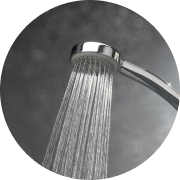
A shower filter attaches right onto your existing showerhead and works to remove common impurities like chlorine, heavy metals, and sediment before the water reaches you. This can lead to some noticeable benefits. Many people report softer skin and less irritation after switching to filtered shower water. It can also help keep hair from getting dry, brittle, or losing its color too quickly. Think of it as a little spa treatment every time you step into the shower.
Here’s a quick look at what shower filters typically target:
- Chlorine and Chloramine: These disinfectants, while necessary for public water safety, can be harsh. They can strip natural oils from your skin and hair, leading to dryness and irritation.
- Heavy Metals: Things like lead or mercury can sometimes find their way into water systems. Shower filters can help reduce your exposure to these.
- Sediment and Particulates: Small particles from pipes or infrastructure can get into the water. Filters catch these, preventing them from clogging your showerhead or irritating your skin.
Installation is usually pretty straightforward. Most filters are designed to fit standard shower arms, and you can often swap them out yourself in just a few minutes. It’s a pretty low-effort way to potentially improve your daily routine and feel a bit better after every shower.
4. Well water conditioning
If your home gets its water from a private well, you might be dealing with issues that municipal water systems don’t typically have. Well water can vary a lot depending on your location and the soil it passes through. It often contains higher levels of minerals, which can lead to what’s known as hard water. This isn’t just about annoying water spots on your dishes; hard water can actually cause problems for your plumbing and appliances over time.
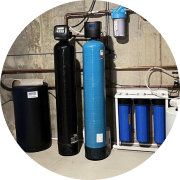
Well water conditioning systems are designed to tackle these specific challenges. They work by removing minerals like calcium and magnesium that cause hardness. Beyond just hardness, well water can sometimes have odors, like a sulfur smell, or even contain sediment that needs filtering out. A good conditioning system addresses these issues, making your water not only softer but also cleaner and better-tasting.
Here’s what a well water conditioning system typically helps with:
- Reduces mineral buildup: Prevents scale from forming in pipes, water heaters, and other appliances, which can extend their lifespan and improve efficiency.
- Improves water taste and odor: Removes common contaminants that cause unpleasant smells or tastes, making water more enjoyable to drink and use for cooking.
- Softens skin and hair: Hard water minerals can leave residue on your skin and hair, leading to dryness and irritation. Softened water rinses cleaner.
- Enhances cleaning: Reduces the amount of soap and detergent needed for laundry and dishes, as soft water lathers more easily.
Installing a well water conditioning system is a smart move for homeowners relying on well water. It’s about more than just convenience; it’s about protecting your home’s infrastructure and ensuring the water you use daily is as clean and healthy as possible.
These systems often use ion-exchange technology, where the hard minerals are swapped out for softer ones. Regular maintenance, like adding salt for the regeneration process, is usually needed to keep the system running smoothly. It’s a proactive step to ensure the water from your well is safe and pleasant for all your household needs.
5. 9-stage reverse osmosis purification
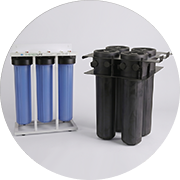
If you want your water about as pure as it gets, a 9-stage reverse osmosis (RO) system goes way beyond your average filter. This setup doesn’t just take out a little chlorine – it’s designed to strip away things like lead, heavy metals, PFAS, bacteria, and countless other invisible contaminants that sneak into Chicago tap water. Each stage is fine-tuned for a specific job, first removing silt and sand, then chemical pollutants, and finally re-balancing the water so you don’t lose those friendly minerals along the way.
Here’s how a typical 9-stage RO system treats your water:
- Sediment filter: Grabs big bits like sand or rust before they mess up the works.
- Carbon filter: Knocks out chlorine, odors, and various chemicals.
- Additional sediment/carbon stages: Extra cleaning power for stubborn stuff (varies by system).
- Reverse osmosis membrane: This is the big one—removes up to 98% of dissolved solids, lead, bacteria, and viruses.
- Alkaline filter: Rebalances water pH so it’s not too acidic.
- Mineral filter: Adds back essential minerals that RO takes out, like calcium and magnesium.
- Infrared filter: Activates the water molecules for better absorption (yes, people swear by it).
- Shungite filter: Gives natural antioxidant benefits and improves taste.
- Polishing carbon filter: Final touch for taste and clarity before water reaches your tap.
| Stage | Main Function | Key Contaminants Removed |
|---|---|---|
| 1-3: Pre-filters | Remove sediments and common chemicals | Sand, chlorine, pesticides, VOCs |
| 4: RO Membrane | High-grade purification | Lead, heavy metals, bacteria, PFAS |
| 5-8: Specialty | pH balance, remineralization, health benefits | Acidic pH, demineralized water |
| 9: Polishing | Taste and final clarity | Any residual taste or odor |
When Chicago’s old pipes and city water surprises you with strange tastes or concerns about lead, a 9-stage RO system can give you back some peace of mind. You’ll taste the difference and know you’re drinking water that’s truly clean.
It’s not the cheapest option, or the fastest to install, but for long-term health and reliable water quality? Many local families (especially in older neighborhoods) consider it a smart upgrade that’s worth every penny.
6. Alkaline filter
Alkaline filters have gotten a lot of attention lately, especially for folks in Chicago trying to upgrade their tap water. These filters work by raising the pH of water that’s often too acidic due to modern treatment methods or aggressive purification like reverse osmosis. An alkaline filter not only brings the pH of your drinking water into a neutral or slightly alkaline range, but it also reintroduces helpful minerals like calcium and magnesium that get stripped out during regular filtration.
Here’s what an alkaline filter does for your home water:
- Raises water pH, usually ending up in the 7.8–8.5 range, which many people find better for taste and gentle on the digestive system.
- Renews vital minerals, adding back things like calcium, magnesium, sodium, and potassium, all important for hydration and health.
- Helps with that "flat" taste often found in highly-treated or RO water by making it more crisp and refreshing.
If you’re comparing options, check out this quick reference:
| Feature | Standard RO Water | Alkaline Filtered Water |
|---|---|---|
| Typical pH Range | 5.0–7.0 | 7.8–8.5 |
| Mineral Content | Very Low | Restored (Ca, Mg, K) |
| Taste | Flat/Neutral | Fresh, Slightly Sweet |
For anyone concerned about water taste or the possible health impacts of drinking water that’s too acidic or lacking minerals, adding an alkaline filter is a simple upgrade that can make your tap water feel more like bottled spring water.
Don’t forget: alkaline filters are usually the last stage of multi-step home filtration setups, so they’re best combined with other filters that remove things like chlorine and heavy metals first.
7. Mineral filter
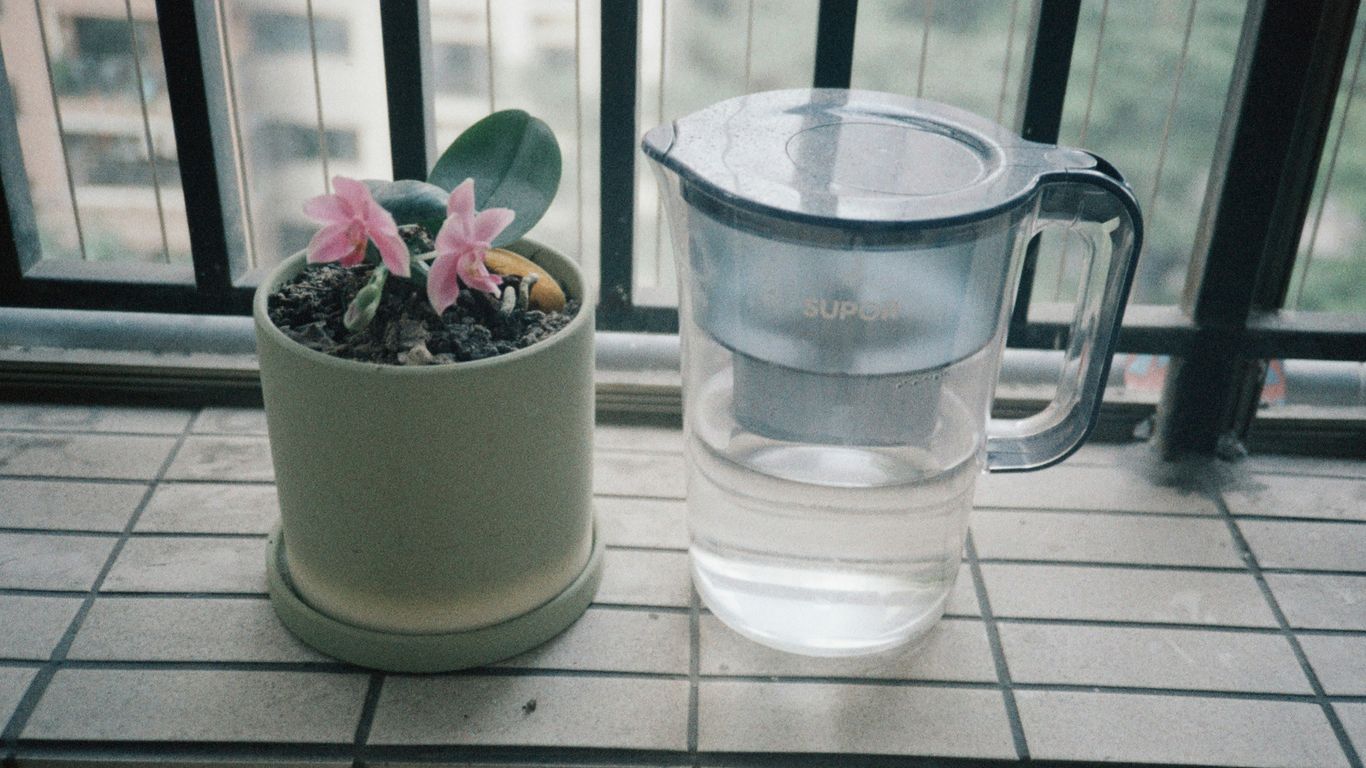
Sometimes, after going through purification processes like reverse osmosis, water can lose some of the beneficial minerals it once had. That’s where a mineral filter comes in. Think of it as a way to put some of those good things back into your water.
These filters are designed to add back essential minerals that are important for your body. We’re talking about things like calcium, magnesium, potassium, and sodium. These minerals aren’t just there for taste; they play a role in keeping you healthy and hydrated. Adding these minerals back can make your water taste better and feel more natural.
Here’s a quick look at what a mineral filter typically does:
- Restores Essential Minerals: It replenishes minerals like calcium and magnesium, which are often removed during purification.
- Improves Taste: Many people find that water with added minerals tastes smoother and more pleasant.
- Supports Hydration: These minerals can help your body absorb water more effectively.
While the city water in Chicago is generally safe, some purification methods can strip away minerals. A mineral filter is a good way to ensure you’re getting a balanced water experience, especially if you’re using a multi-stage filtration system.
Mineral filters work by passing water through a bed of mineral-rich media. As the water flows through, it picks up these beneficial elements, enriching the water before it reaches your tap. It’s a simple yet effective way to enhance the quality of your purified water.
8. Infrared filter
Infrared filters have started showing up in more advanced home water systems across Chicago, and for good reason. This filter uses far-infrared ceramic balls to treat your water in a way that’s about more than just removing contaminants — it actually changes how the water behaves at a molecular level.
How does this work, and why should you care? When water flows through an infrared filter, the far-infrared energy excites water molecules, breaking down clusters and making it easier for the body to absorb. Some people say this gives the water a smoother taste and helps with hydration, though scientific research is still catching up with the claims. Still, families who use infrared filters often report they feel a difference, especially with dry skin or sensitive digestion.
Typical benefits from infrared filters:
- Helps make water more easily absorbed in the body
- Can improve water’s taste and make it feel softer
- Supports other filter stages (like mineral or alkaline filters) by boosting their effects
Here’s a quick table summarizing the key factors:
| Feature | Infrared Filter Impact |
|---|---|
| Major Function | Energizes water (FIR action) |
| Effect on Taste | Smoother, fresher |
| Combined With | RO, mineral, alkaline stages |
For homes using complex systems, adding an infrared filter can feel like moving from regular water to something cleaner, lighter, and more refreshing — a little luxury that sometimes even picky family members or guests notice.
If you care about the texture and feel of your water, or you’re just curious about new tech, the infrared filter could be worth a spot in your setup. Do some real-world taste tests though — every home and palate is different!
9. Shungite filter
Shungite is a pretty interesting mineral, and it’s showing up in some water filters these days. It’s a natural stone that’s been around for ages, and it’s known for having something called Fullerenes. These Fullerenes are supposed to have antioxidant properties, which sounds good for your health.
When you use a shungite filter, the idea is that it helps your water in a few ways. It’s thought to help boost your immune system and keep your metabolism running smoothly. Some people also say it can make your skin and hair look better, and generally give you more energy. It’s even suggested to help with things like stress and headaches.
Basically, the shungite filter is meant to make your water more revitalizing. It’s supposed to help your body handle the daily grind and whatever else the environment throws at you. It’s one of those filters that goes beyond just basic purification, aiming for a more holistic approach to water quality.
The goal of a shungite filter is to provide water that not only tastes good but also offers potential health benefits through its unique mineral properties, contributing to overall well-being.
Here’s a quick look at what people often associate with shungite-filtered water:
- Supports immunity and metabolic health.
- Can improve skin, hair, and overall vitality.
- May help relieve stress, headaches, and fatigue.
- Aids in detoxification and can help normalize blood pressure.
10. Chlorine filter
You know, that smell? That distinct chemical scent that sometimes comes from your tap water? That’s usually chlorine or chloramines, added by the city to keep our water safe from bacteria during its journey to our homes. While it does its job, it can really mess with the taste and smell of your drinking water, not to mention what it might do to your skin and hair in the shower.
A chlorine filter is a pretty straightforward solution for this. Most commonly, these filters use Granular Activated Carbon (GAC). Think of GAC as a super-porous material that acts like a magnet for chlorine and other organic compounds. As water flows through it, the chlorine gets trapped in the carbon’s pores.
The main job of a chlorine filter is to remove that chemical taste and odor, making your water much more pleasant to drink and use.
Here’s what a good chlorine filter can tackle:
- Chlorine and Chloramines: The primary disinfectants used by water treatment plants.
- Unpleasant Odors: That ‘swimming pool’ smell is a common target.
- Bad Tastes: Chlorine can impart a metallic or chemical taste.
- Harmful Chemicals: GAC can also reduce levels of certain volatile organic compounds (VOCs) and pesticides.
Beyond just making your water taste better, reducing chlorine can have other benefits. Some people find it helps with dry skin and brittle hair after showering. For cooking and brewing, it means your food and drinks won’t have that chlorine aftertaste. It’s a simple step that makes a noticeable difference in everyday water use.
While chlorine is essential for disinfecting municipal water supplies, its presence can be a nuisance for homeowners. A dedicated chlorine filter effectively addresses this by removing these disinfectants before they reach your tap, improving the overall sensory experience of your water.
Want cleaner water at home? A chlorine filter can make a big difference by removing this common chemical, which often affects taste and smell. It’s a simple step towards healthier hydration. Ready to learn more about how a chlorine filter can improve your water quality? Visit our website today for expert advice and solutions!
Conclusion
Making sure your water is clean and safe at home in Chicago isn’t always simple, but it’s definitely worth the effort. With so many options out there—from under-sink filters to whole-house systems and even water testing services—it’s possible to find a solution that fits your needs and budget. Chicago’s older pipes and lead concerns mean it’s smart to take water quality seriously. Whether you’re looking for better taste, fewer contaminants, or just some peace of mind, investing in a good water treatment system can make a real difference for your family’s health. If you’re not sure where to start, getting your water tested is a great first step. That way, you’ll know exactly what you’re dealing with and can pick the right system for your home. Clean water isn’t just a luxury—it’s something every household deserves.
Frequently Asked Questions
What are the main water quality concerns in Chicago?
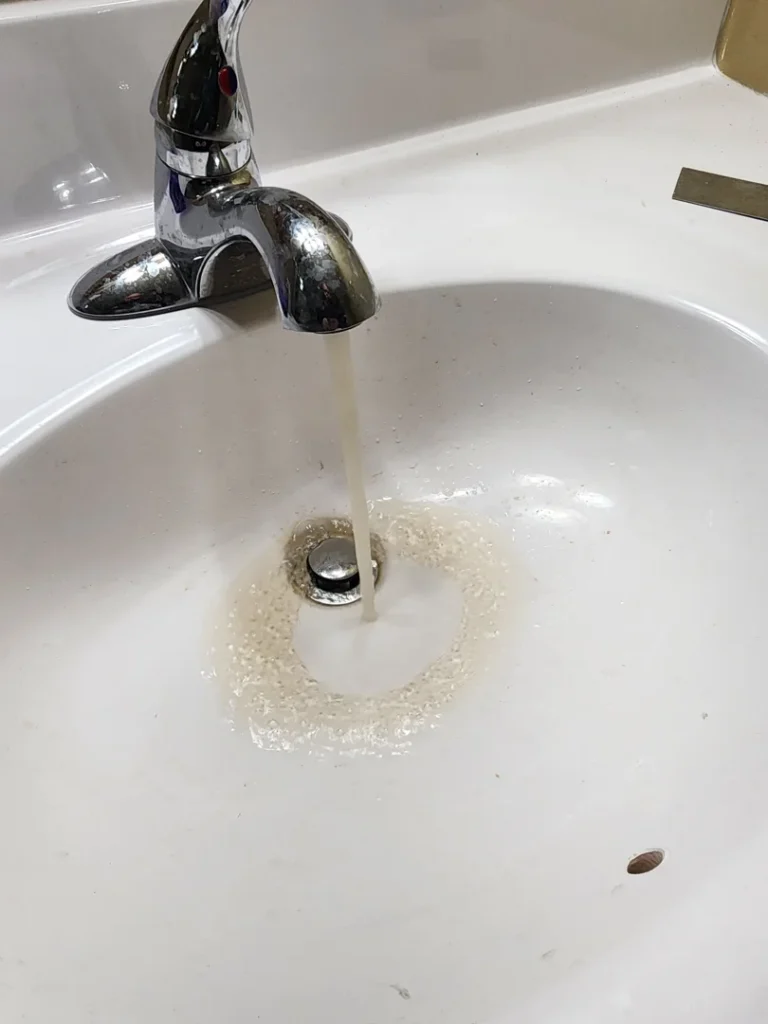
Chicago’s tap water is generally safe, but older pipes can sometimes release lead into the water, especially in older homes. Chlorine is also added for disinfection, which can affect taste and smell. Other contaminants like heavy metals and chemicals can also be present.
What is Reverse Osmosis (RO) and how does it work?
Reverse Osmosis is a high-tech filtration method that uses a special membrane to remove a lot of impurities from water. It pushes water through this tiny-pored filter, leaving behind things like lead, salt, and other dissolved solids, giving you super clean water.
Why would I need a whole house filtration system instead of just an under-sink one?
A whole house system cleans water for your entire home, not just the kitchen sink. This means cleaner water for showering, laundry, and all your appliances, which can also help them last longer. It’s great if you want clean water everywhere.
Are shower filters really necessary?
Shower filters can make a difference! They help reduce chlorine and other chemicals that can dry out your skin and hair, and sometimes cause irritation. Many people find their hair and skin feel better after using one.
What’s the difference between an alkaline filter and a mineral filter?
An alkaline filter aims to raise the water’s pH level and adds minerals like calcium and magnesium, which some believe have health benefits. A mineral filter simply adds back essential minerals that might be removed during purification, improving taste and hydration.
How do I know which water treatment system is best for my Chicago home?
The best way to find out is to get your water tested. This shows exactly what’s in your water, like lead or hard minerals. Based on those results, a water specialist can recommend the right type of filter or system, like an under-sink RO or a whole-house setup, to meet your specific needs.