
Thinking about getting an under sink water filter Chicago? It’s a smart move, especially with the city’s water quality sometimes being a bit of a question mark. You know, with all the old pipes and stuff. Having clean water right from your tap makes a huge difference, not just for drinking but for cooking and even your morning coffee. We’re going to break down some of the best options out there, what to look for, and why having a good filter system is a game-changer for your home.
Key Takeaways
- Under sink water filter Chicago systems offer convenient access to purified water directly from your tap.
- Consider your specific water concerns, such as lead or chlorine, when choosing a filter type.
- Reverse osmosis systems provide a high level of purification but may require more space and maintenance.
- Many systems offer multi-stage filtration, including alkaline and mineral filters, to improve water taste and health benefits.
- Professional installation and local service are important factors for ensuring your filter system works correctly.
1. Under sink ro systems
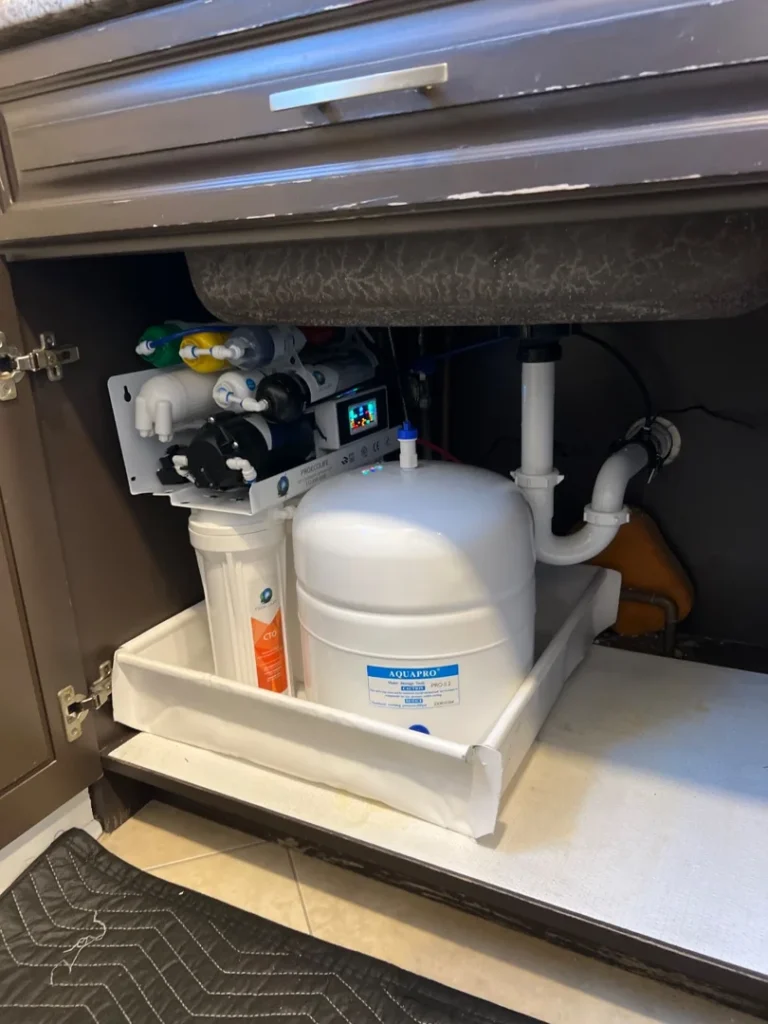
When you’re looking to get cleaner water right from your kitchen tap, an under-sink Reverse Osmosis (RO) system is a really popular choice. These systems tuck away neatly under your sink, so they don’t take up any counter space, which is a big plus for most kitchens. They work by pushing your tap water through a special semi-permeable membrane. This membrane is super fine, so it catches a lot of the stuff you don’t want in your water, like dissolved solids, heavy metals, and even some bacteria.
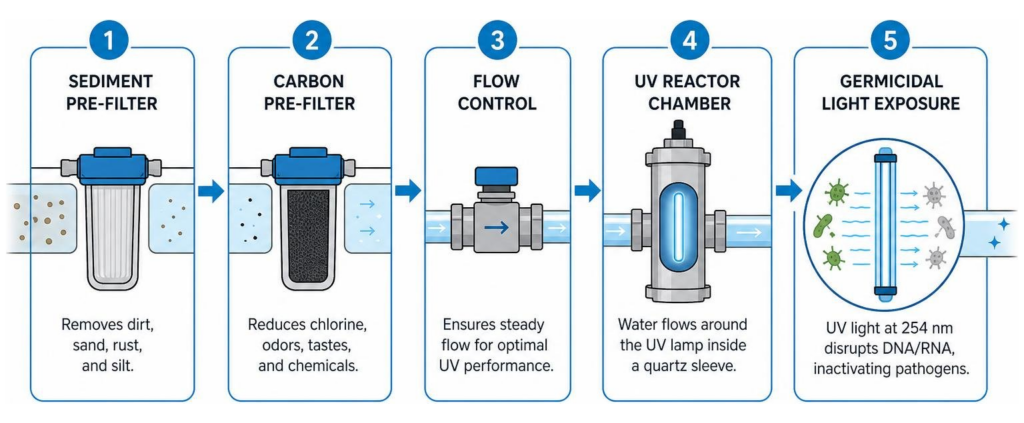
The multi-stage filtration process is key to how effective these systems are. Most good under-sink RO units don’t just have the RO membrane. They usually include several other filters before and after the membrane. You’ll often find sediment filters to catch bigger particles, carbon filters to get rid of chlorine and improve taste, and then a post-filter, often carbon too, to polish the water one last time. Some advanced systems even add back beneficial minerals after the RO process, which can make the water taste better and feel more natural.
Here’s a general idea of what you might find in a multi-stage under-sink RO system:
- Sediment Filter: Removes dirt, rust, and sand.
- Pre-Carbon Filter: Takes out chlorine, odors, and certain chemicals.
- Reverse Osmosis Membrane: The main event, filtering out up to 98% of dissolved solids, heavy metals (like lead, which is a concern in older cities like Chicago), and other contaminants.
- Post-Carbon Filter: A final polish to remove any lingering tastes or odors.
- Optional Mineral/Alkaline Filter: Adds back healthy minerals and adjusts pH.
Installing an under-sink RO system can make a noticeable difference in the quality of your drinking and cooking water. It’s a practical way to get purified water without the hassle of bottled water or pitchers, and it fits right into your existing kitchen setup.
While the initial setup might seem a bit involved, professional installation is often recommended to make sure everything is connected correctly and working efficiently. This ensures you get the best performance and the cleanest water possible.
2. Whole house filtration
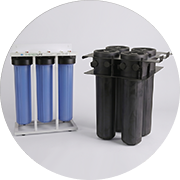
When you think about water filters, you might first picture the small ones that go under your sink or even the pitchers you fill up. But what if you want clean water everywhere in your house, not just at the kitchen faucet? That’s where whole house filtration comes in.
This type of system is installed right where your main water line enters your home. It’s like a gatekeeper for all the water coming in, making sure it’s filtered before it even reaches your taps, showers, toilets, and appliances. The main idea is to provide consistent, clean water throughout your entire property.
Think about it: every time you turn on a faucet, flush a toilet, or run the washing machine, you’re using water. A whole house system means that water is treated at the source. This can be a big deal, especially in places like Chicago where water quality can vary. It’s not just about drinking water; it’s about the water you use for bathing, cooking, and even for your appliances.
Why Consider Whole House Filtration?
- Universal Cleanliness: Every tap in your home delivers filtered water, from the bathroom sink to the showerhead.
- Appliance Protection: It shields your water heater, washing machine, dishwasher, and other appliances from sediment and minerals that can cause damage and reduce their lifespan.
- Improved Shower Experience: Reduces chlorine and other chemicals, which can lead to softer skin and healthier hair.
- Better Tasting Water: Not just for drinking, but for cooking, making ice, and even for your pets.
How it Works:
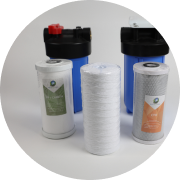
Whole house systems typically use larger filter housings than under-sink units. These can accommodate bigger filter cartridges designed for higher water volumes and longer service life. The exact filtration stages can vary, but common setups include:
- Sediment Filter: Catches larger particles like sand, silt, and rust.
- Carbon Filter: Removes chlorine, odors, and many common chemical contaminants.
- Specialty Filters (Optional): Depending on your specific water issues, you might add filters for things like heavy metals, iron, or specific contaminants.
Installing a whole house system is a significant step towards ensuring the water quality for your entire household. It’s an investment that pays off in convenience, appliance longevity, and overall well-being. While the initial setup might seem more involved than a simple pitcher filter, the benefits of having clean water at every point of use are substantial.
When you’re looking at whole house systems, pay attention to the flow rate they can handle, the size of the filter cartridges, and the types of contaminants they are designed to remove. Professional installation is usually recommended to ensure the system is correctly integrated into your home’s plumbing.
3. Shower filters
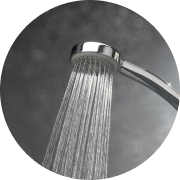
You know, sometimes the simplest things can make a big difference in your daily routine. Taking a shower should be refreshing, right? But if your tap water has a lot of chlorine or other stuff in it, it can leave your skin feeling dry and your hair looking dull. That’s where shower filters come in.
These filters attach right to your showerhead and work to remove common impurities found in tap water. Think chlorine, sediment, and even some heavy metals. By filtering these out, the water that hits your skin and hair is much gentler. It can help reduce that dry, itchy feeling after a shower and might even make your hair feel softer and look shinier over time. It’s a pretty straightforward upgrade that can really change your shower experience.
Here’s a quick look at what a shower filter typically does:
- Chlorine and Chloramine Reduction: These chemicals are often used to disinfect municipal water but can be harsh on skin and hair, stripping natural oils and causing dryness.
- Heavy Metal Filtration: Filters can trap metals like lead and mercury, which can be present in older plumbing systems and are not great for your health or hair quality.
- Sediment and Particulate Removal: They catch rust and other small particles that might be floating around in your water, leading to clearer water.
- Mineral Enhancement (in some models): Some filters add beneficial minerals back into the water, which can be good for your skin and hair.
Installation is usually a breeze. Most just screw onto your existing shower arm, and you can swap out the filter cartridge when it’s time. It’s a small change that can lead to noticeable improvements in how your skin and hair feel.
While the primary focus is often on improving the feel of your skin and hair, reducing exposure to chemicals like chlorine in shower water can also contribute to a healthier overall environment in your bathroom. It’s a simple step towards better personal care and a more pleasant daily ritual.
4. Well water conditioning
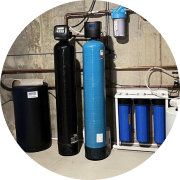
If your home gets its water from a private well, you might be dealing with water that’s harder than what comes from the city. Hard water has a lot of minerals, like calcium and magnesium, which can cause problems. Think about scale buildup in your pipes and appliances, or how it makes your skin feel dry after a shower. That’s where well water conditioning comes in.
A well water conditioning system essentially softens your water. It works by removing those minerals that cause hardness. This isn’t just about making your soap lather better; it’s about protecting your home’s plumbing and appliances from damage. Over time, hard water minerals can clog pipes and reduce the efficiency of water heaters and other devices. Softened water can also make your laundry cleaner and your dishes less spotty.
Here’s a quick look at what you can expect:
- Softer Skin and Hair: Less dryness and irritation after washing.
- Cleaner Dishes and Laundry: Reduced spotting and better soap performance.
- Extended Appliance Life: Protects water heaters, dishwashers, and washing machines from mineral buildup.
- Improved Taste: Water can taste better without the mineral content.
These systems often use an ion-exchange process. The water passes through a tank filled with resin beads. These beads attract and hold onto the hard minerals, releasing softer sodium ions in their place. The system then periodically regenerates itself by flushing the beads with a brine solution to remove the collected minerals and prepare for the next cycle.
Proper conditioning of well water goes beyond just softening. It can also help address other issues sometimes found in well water, like unpleasant odors or metallic tastes, making your water more pleasant for everyday use.
5. Alkaline filter
Alkaline filters are a bit of a newer thing in the water filtration world, but they’re gaining traction. The main idea behind them is to raise the pH of your water. Most tap water, especially after going through processes like reverse osmosis, can be a little on the acidic side. An alkaline filter aims to bring that pH level up, typically to somewhere between 7.8 and 8.5. It does this by adding back beneficial minerals that might have been stripped out during purification.
These filters usually add minerals like calcium, magnesium, potassium, and sodium. Think of it as re-mineralizing your water. Some people believe that drinking water with a higher pH can help balance the body’s natural pH, though scientific evidence for this is still developing. It’s also said to improve the taste of the water, making it smoother and more pleasant to drink.
Here’s a quick look at what an alkaline filter typically does:
- Rebalances pH: It adjusts the water’s pH to a more alkaline level (usually 7.8-8.5).
- Restores Minerals: Adds back essential minerals like calcium, magnesium, and potassium.
- Improves Taste: Many users report a smoother, more refreshing taste.
- Enhances Hydration: Some believe the smaller water molecule clusters in alkaline water are absorbed more easily by the body.
While the health benefits of alkaline water are still a topic of discussion and ongoing research, many users appreciate the improved taste and the addition of beneficial minerals. It’s a good option if you’re looking to go beyond basic filtration and add something back into your purified water.
6. Mineral filter
Sometimes, after all the filtering and purification, water can end up stripped of its natural goodness. That’s where a mineral filter comes in. Its main job is to put beneficial minerals back into your water. Think of it as a rebalancing act for your drinking water.
These filters typically add back minerals like calcium, magnesium, potassium, and sodium. These aren’t just for taste, though they do make water taste better. They play a role in how our bodies function. For instance, magnesium is important for muscle and nerve function, and calcium is key for bone health.
Here’s what a mineral filter generally does:
- Adds essential minerals: It replenishes minerals that might have been removed by other filtration stages, like reverse osmosis. This includes calcium, magnesium, potassium, and sodium.
- Improves taste: The added minerals contribute to a more natural, pleasant taste that many people prefer.
- Supports hydration: Some believe that water with a balanced mineral content is better absorbed by the body, aiding in hydration.
- Mimics natural water: It helps to recreate the mineral profile found in natural spring or well water.
While advanced filtration systems are great at removing contaminants, they can sometimes remove beneficial minerals too. A mineral filter acts as a final touch, ensuring the water is not only pure but also healthy and tastes good.
These filters are usually placed towards the end of a multi-stage filtration system, often after a reverse osmosis membrane. They are designed to work efficiently, releasing minerals gradually to maintain a consistent quality in your water.
7. Infrared filter
So, you’ve probably heard about all sorts of filters for your water, but have you ever come across an infrared filter? It sounds a bit sci-fi, I know, but it’s actually a pretty interesting piece of technology that some under-sink systems include. The main idea behind an infrared filter is to energize the water molecules using Far-Infrared Rays (FIR). Think of it like giving the water a little boost, similar to how sunlight can energize things.
This process is said to have a few potential benefits for your body. It’s believed to help activate water molecules, making them easier for your body to absorb. Some folks also say it can improve oxygen circulation and even help with detoxification and metabolism. It’s like the water becomes more ‘alive’ and ready to work with your body.
Here’s a quick look at what an infrared filter aims to do:
- Activates water molecules: This is thought to help with absorption.
- Enhances oxygenation and circulation: Potentially good for overall bodily functions.
- Supports detoxification and metabolism: Helps your body process things more efficiently.
- Strengthens nervous system functionality: Another claimed benefit for overall well-being.
When water passes through this type of filter, it’s supposed to feel more refreshing and taste smoother. It’s not about removing specific contaminants like chlorine or lead, but more about changing the water’s structure to potentially make it more beneficial for you. It’s a bit of a different approach compared to standard filtration, focusing on the ‘energy’ of the water itself.
While the scientific evidence for some of these claims might still be developing, the concept of energizing water is intriguing. It’s often seen as a way to enhance the overall water experience, making it feel more revitalizing and contributing to a sense of well-being. It’s a step beyond just purification, aiming for a more holistic approach to water quality.
8. Shungite filter
Shungite is a pretty interesting mineral that’s been showing up in water filters lately. It’s basically a type of carbon rock, and it’s known for having these things called fullerenes. People say these fullerenes have antioxidant properties, which sounds pretty neat for water.
When you have a shungite filter in your under-sink system, it’s usually part of a multi-stage process. It’s not typically the only filter doing the work, but it adds another layer of treatment. The idea is that it can help with things like supporting your immune system and metabolism. Some folks also mention it helps with skin and hair, and even stress relief. It’s kind of like a natural boost for your water.
Here’s a quick rundown of what people associate with shungite-filtered water:
- Supports immunity and metabolic health
- Improves skin, hair, and overall vitality
- Helps relieve stress, headaches, and fatigue
- Aids in detoxification and can help normalize blood pressure
Basically, the shungite filter is thought to make your water more revitalizing. It’s supposed to help your body handle the daily grind a bit better. It’s one of those extra steps some filtration systems take to give you what they call ‘energized’ water. It’s not a magic bullet, but it’s a unique addition that some people really like.
Shungite filters are often included in advanced systems that aim to do more than just remove contaminants. They focus on improving the water’s overall quality and potential health benefits, using natural minerals to achieve this.
9. Chlorine filter
Chlorine is a common disinfectant used in municipal water supplies to kill bacteria and other microorganisms. While effective for public health, it can leave an unpleasant taste and smell in your drinking water. Beyond just taste, chlorine can also react with organic matter in the water to form potentially harmful disinfection byproducts (DBPs).
A dedicated chlorine filter is a straightforward way to significantly improve the quality of your tap water. These filters typically use activated carbon, often in a granular form (GAC), to adsorb chlorine and other volatile organic compounds (VOCs). As water passes through the carbon media, chlorine molecules bind to the carbon’s surface, effectively removing them from the water.
Here’s what a good chlorine filter can do for you:
- Improve Taste and Odor: Say goodbye to that "swimming pool" smell and taste. Your drinking water will be much more enjoyable.
- Reduce Disinfection Byproducts (DBPs): By removing chlorine, you also reduce the formation of potentially harmful DBPs.
- Protect Other Filters: In multi-stage systems, a pre-filter for chlorine can extend the life of more sensitive components like reverse osmosis membranes.
- Benefit Cooking and Bathing: Chlorine can affect the taste of food cooked with tap water and can also be harsh on skin and hair, especially for those with sensitivities.
When looking for an under-sink system, you’ll often find chlorine filtration as a key stage within a larger purification process, like reverse osmosis. Some systems might use a dedicated GAC filter, while others integrate it into a multi-stage cartridge. The effectiveness of a chlorine filter largely depends on the quality and amount of activated carbon used, as well as the contact time the water has with the filter media.
While chlorine is essential for making our water safe from harmful bacteria, its presence in our homes can be a nuisance. Filters designed to remove chlorine offer a practical solution for improving the palatability and safety of your household water, making it more pleasant for drinking, cooking, and even bathing.
10. Reverse osmosis membrane
The reverse osmosis (RO) membrane is really the heart of many advanced under-sink water filtration systems. Think of it as a super-fine sieve, but on a microscopic level. It’s designed to remove a really wide range of contaminants from your water. We’re talking about dissolved solids, heavy metals, bacteria, viruses, and even some chemicals that other filters might miss.
How it works is pretty neat. Water is pushed under pressure through this special membrane. The membrane has pores that are incredibly small – we’re talking about 0.0001 microns. Only water molecules are small enough to pass through. Everything else, the stuff you don’t want to drink, gets blocked and flushed away. This process results in water that’s exceptionally pure, almost like distilled water.
Here’s a quick look at what an RO membrane typically removes:
- Dissolved Solids: This includes things like salts, minerals (though some systems add them back later), and other inorganic compounds.
- Heavy Metals: Lead, mercury, arsenic, chromium, and others that can be harmful.
- Microorganisms: Bacteria, viruses, and protozoa are too large to pass through the membrane.
- Chemicals: Certain pesticides, herbicides, and other organic compounds can also be filtered out.
The RO membrane is the primary component responsible for achieving the highest levels of water purity in a filtration system.
Because the pores are so tiny, RO systems often require a certain amount of water pressure to function effectively. Sometimes, a booster pump is needed, especially if your home’s water pressure is on the lower side. Also, keep in mind that RO systems do produce a small amount of wastewater as they flush away the trapped contaminants. It’s a trade-off for that super-clean water, though. Many modern RO systems also include additional stages, like post-carbon filters, to polish the taste and sometimes mineral filters to add back beneficial minerals that were removed during the RO process.
Reverse osmosis is a fantastic way to get super clean water. It works by pushing water through a special filter that blocks out almost everything else. Think of it like a super-fine sieve for water! Want to learn more about how this amazing technology can benefit your home? Visit our website today for all the details!
Wrapping Up Your Chicago Water Filter Search
So, you’ve looked through the options for under-sink water filters here in Chicago. It’s a lot to take in, I know. But remember, the main goal is to get cleaner, better-tasting water right from your tap. Whether you’re dealing with specific issues like lead or just want to improve the everyday quality, there’s a system out there for you. Think about what matters most to your household – is it cost, ease of use, or the specific contaminants you want to remove? Taking a moment to test your water, like we talked about, is a really smart first step. It helps you figure out exactly what you need, so you don’t end up with a filter that doesn’t quite do the job. Ultimately, investing in a good under-sink filter is a solid move for your home and your family’s well-being.
Frequently Asked Questions
What is an under-sink water filter and how does it work?
An under-sink water filter is a system installed out of sight, usually beneath your kitchen sink. It connects to your cold water line and filters your tap water as it flows through. These filters use various stages, like activated carbon or reverse osmosis, to remove impurities such as chlorine, lead, sediment, and other contaminants, giving you cleaner, better-tasting water right from your faucet.
Why is Chicago water sometimes a concern?
Chicago’s water system is aging, and like many older cities, it has a lot of lead pipes. This means lead can get into the water as it travels to your home, even if the city’s source water is clean. Other things like chlorine, used for disinfecting, can also affect the taste and smell of the water.
What’s the difference between a whole house filter and an under-sink filter?
A whole house filter is installed where the main water line enters your home, cleaning all the water used in the house – for drinking, showering, and appliances. An under-sink filter is smaller and only treats the water at a specific faucet, usually your kitchen sink, providing purified drinking water.
Are reverse osmosis (RO) systems worth the investment?
Reverse osmosis systems are a top-tier filtration method. They use a special membrane to remove a very high percentage of contaminants, including dissolved solids, heavy metals, and chemicals, offering some of the purest water available. While they can be more expensive upfront and may produce some wastewater, many people find the superior water quality and health benefits well worth the cost, especially for homes concerned about specific contaminants like lead.
How often do I need to replace the filters?
Filter replacement schedules vary depending on the type of filter and how much water you use. Typically, under-sink filters need replacement every 6 to 12 months. Some systems, like reverse osmosis membranes, can last longer, often 2-5 years. It’s important to follow the manufacturer’s recommendations or use systems that provide reminders to ensure your filter works effectively.
Can water filters remove lead from my Chicago water?
Yes, many under-sink water filters are specifically designed to remove lead. Look for filters certified to reduce lead, often using activated carbon or ion exchange technologies. Reverse osmosis systems are also highly effective at removing lead, providing a reliable solution for homes concerned about this common contaminant in older plumbing.